
The Sweet Trend Everyone’s Loving: Baking with Dates
You might have seen the term “fibremaxxing” trending online. Sounds like a fad? Actually, it’s a concept nutritionists have been shouting about for years: eat more fibre. And yes—your body will thank you! 😄

Fibermaxxing: Why Everyone’s Talking About Fiber
You might have seen the term “fibremaxxing” trending online. Sounds like a fad? Actually, it’s a concept nutritionists have been shouting about for years: eat more fibre. And yes—your body will thank you! 😄
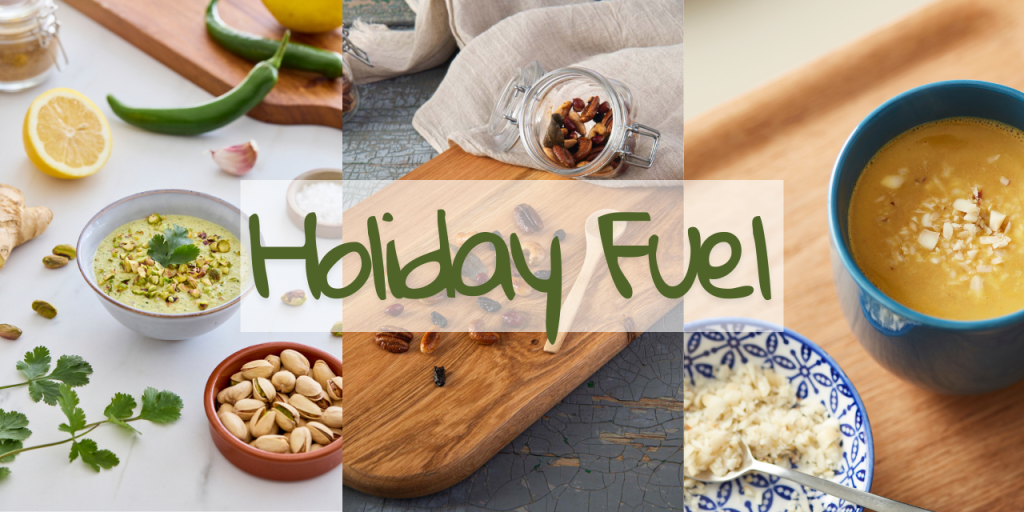
Holiday Fuel: Why Nuts & Dried Fruit Add Cheer to Every Occasion
Ever hit that mid-afternoon slump and feel like your brain just screams, “No more!”? 😵💫 Don’t worry, we’ve all been there.

Nuts & Dried Fruits Snacks: Real Energy for Your Day
Ever hit that mid-afternoon slump and feel like your brain just screams, “No more!”? 😵💫 Don’t worry, we’ve all been there.
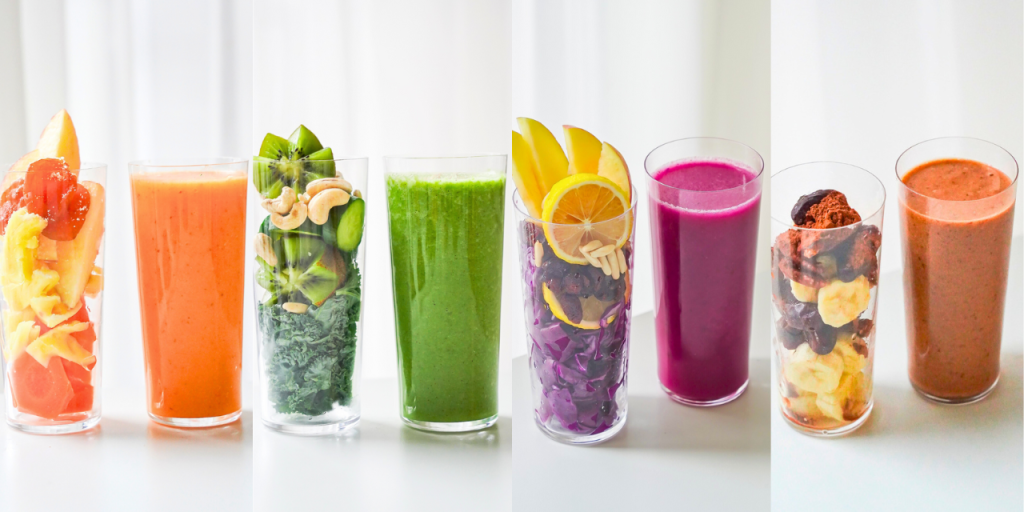
Nutfruit Smoothies: Delicious, Nutty, and Nourishing in Every Sip
The Nutfruit Smoothie is a creative and delicious idea that transforms wholesome fruits, vegetables, and nuts into colorful, nutrient-packed drinks!

Salad Cups: Fresh, Crunchy & Nutty Goodness in Every Bite
The Salad Cup is a creative and delicious idea that transforms healthy ingredients into elegant bites served in waffle cones 🍦. Each version combines surprising
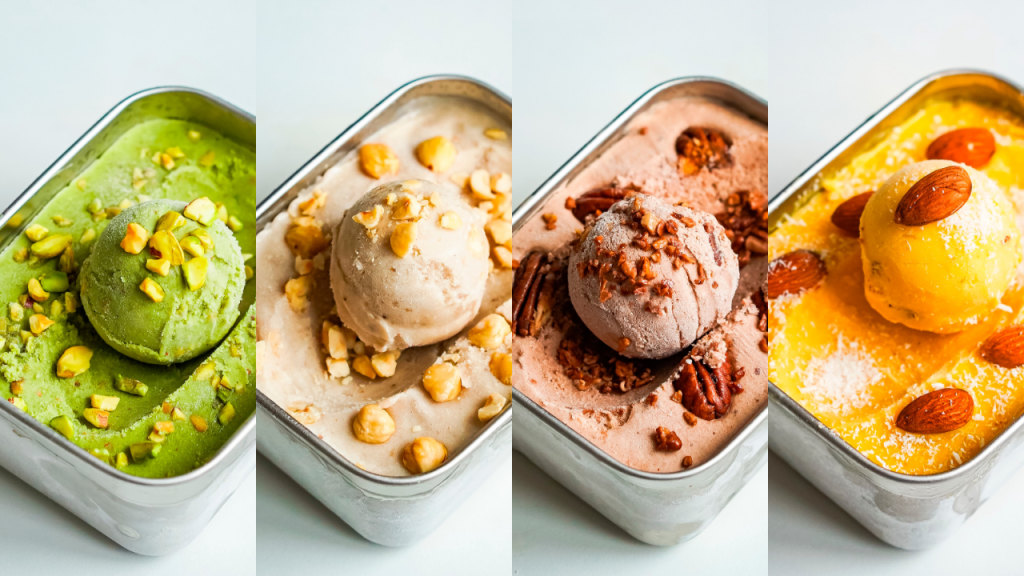
Your New Obsession: DIY Nutfruit Ice Cream That Actually Slaps 🍦✨
Okay, besties – let’s talk about the ultimate glow-up for your perfect snack. We’re about to dive into some homemade nutfruit ice cream recipes that
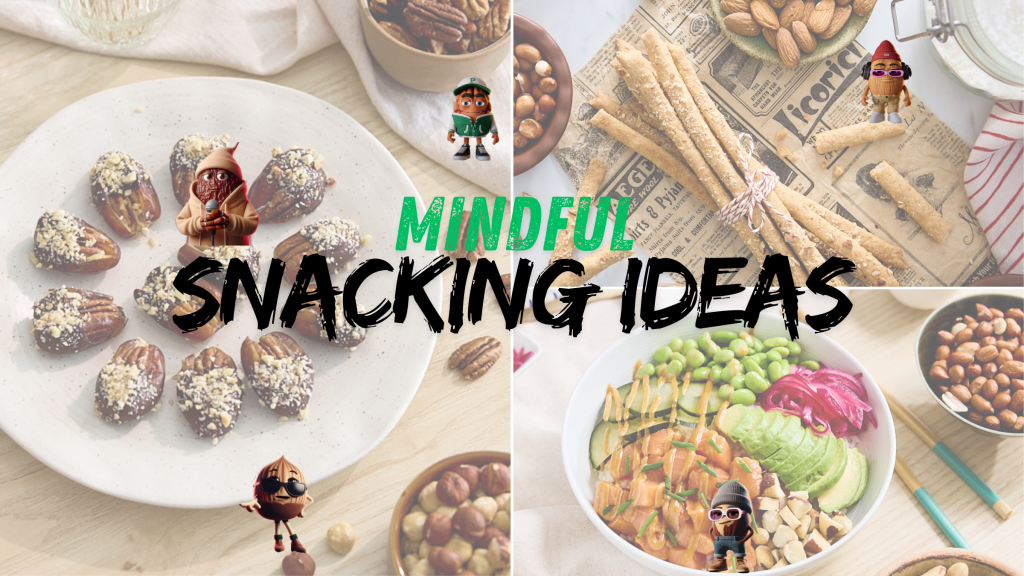
Mindful Eating with Nuts & Dried Fruits
In today’s fast-paced world, we’re often eating on autopilot—scrolling through our phones 📱, binge-watching shows 📺, or rushing through meals without even noticing the flavors.
Why Nuts Are Essential in a Plant-Based Diet: Your #PlantBasedPower Move!🌱
Looking to power up your plant-based meals? Nuts 🥜 are more than just snacks—they’re a nutritional powerhouse🍇! From boosting energy to supporting muscle health, discover
Simple Steps to Reduce Food Waste at Home Today with Nuts and Dried Fruits!🥗♻️
Reducing food waste is essential for a more sustainable future🌍. Nuts 🥜 and dried fruits 🍇 are versatile, nutritious, and long-lasting pantry staples that can
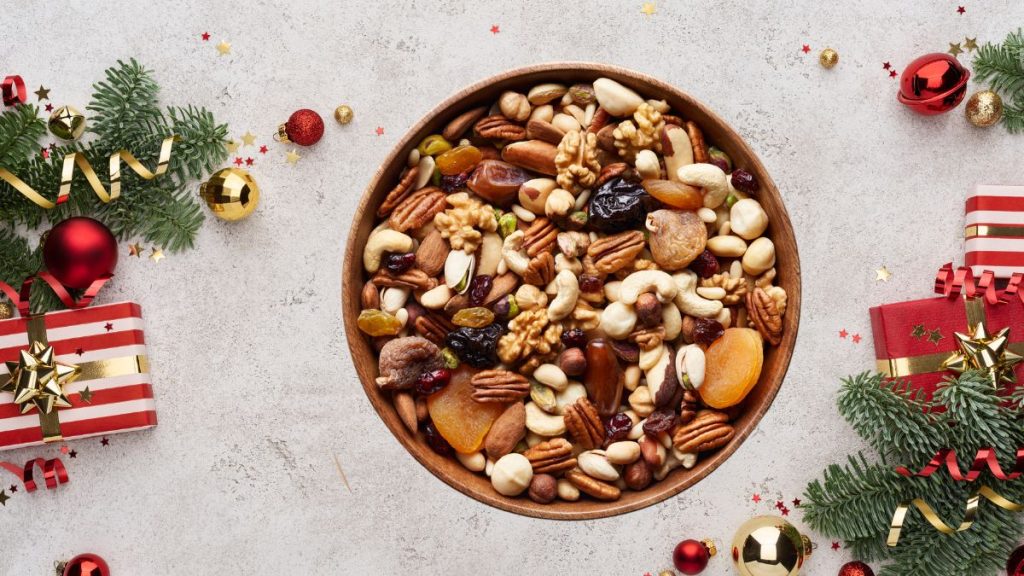
A Happy End to the Year: Celebrate with Nuts and Dried Fruits
As the year winds down, it’s an opportunity to enjoy the season while making mindful choices. With the holiday bustle in full swing, nuts and

Real Facts About Dried Fruits Sugar Concentration
Dried Fruits: Sweet & Healthy, Gen Z Style 🌟 Dried fruits are not just simple snacks—they’re packed with essential nutrients and health benefits. While the

Fueling Your Gym Routine: The Power of Nuts & Dried Fruits
Natural Fuel for Active Lifestyles🏋️♂️: Incorporating nuts and dried fruits into your daily fitness routine 🏋️♂️ offers a delicious way to boost your health and

Did You Know Dried Fruit Could Help Prevent Type 2 Diabetes?
Yup, that’s what a new study suggests, and we’re breaking it down for you in snack-sized info!👇A recent study hints that incorporating Dried Fruit Intake

Boost Your Productivity with Simple, Energizing Nut and Dried Fruit Snacks and Recipes
Recharge your energy for work or study with simple, quick recipes and snacks you can make at home. These delicious and healthy options will help

Discover the Nut Tunes Campaign: Groove with Gen Z’s Favorite Snacks!
Hey snack lovers! If you’re into healthy and delicious snacks like nuts and dried fruits, we’ve got exciting news for you. Introducing the Nut Tunes
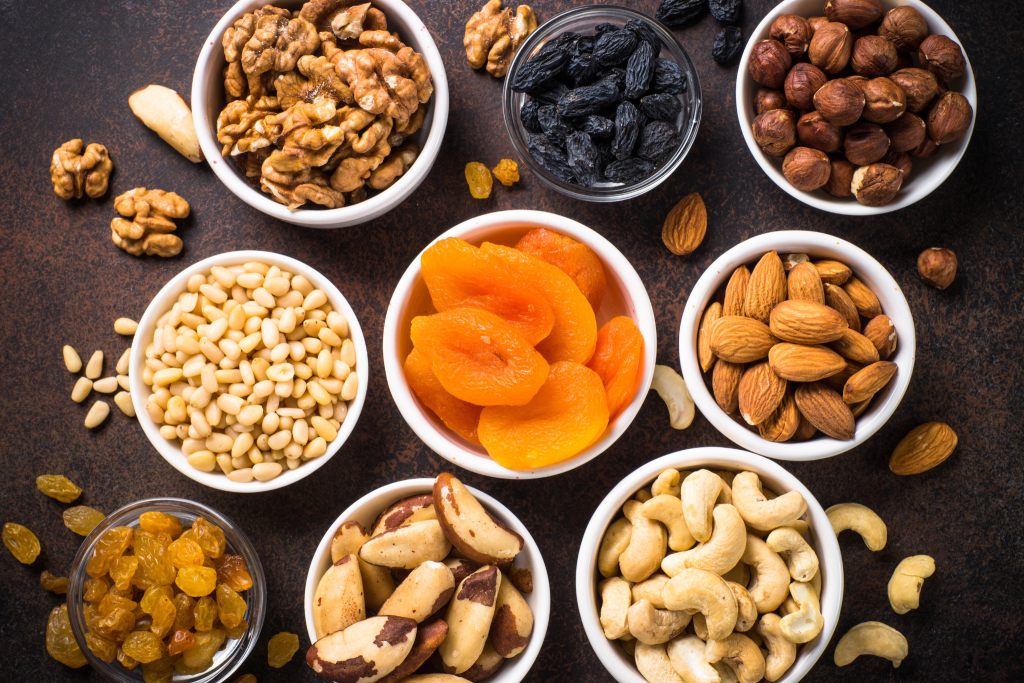
Tips to Include Nuts and Dried Fruits in Your Diet
Have you ever heard the expression that you are what you eat? Well, in some sense, it’s true. The nutrients from the foods we eat
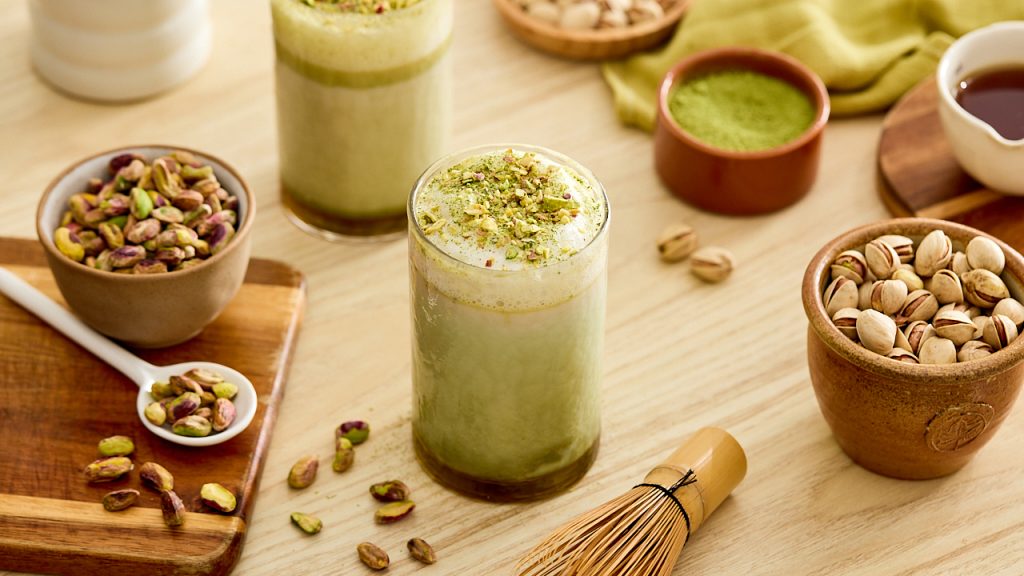
Nuts and Dried Fruits: The Healthy Snack Revolutionizing the Diet
In this article, we explore why nuts and dried fruits are becoming the go-to snacks for Gen Z and how they align perfectly with their
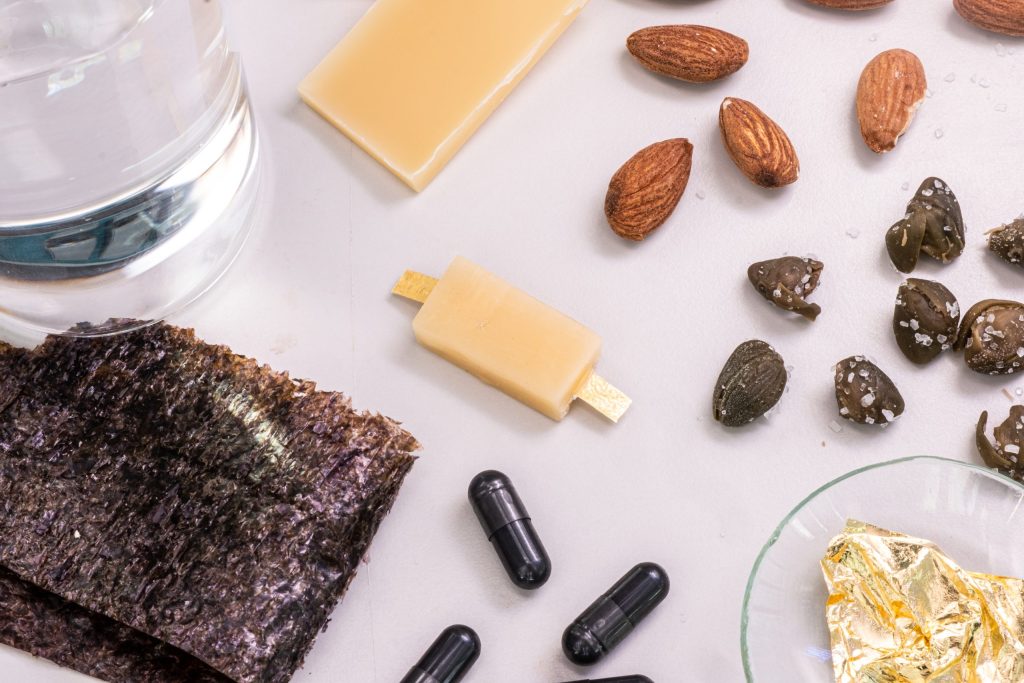
Almonds: Powering Your Future with Edible Batteries
Photo caption: The edible battery (center), surrounded by the ingredients used to make it (clockwise from top right): almonds, capers, edible gold foil, activated carbon,
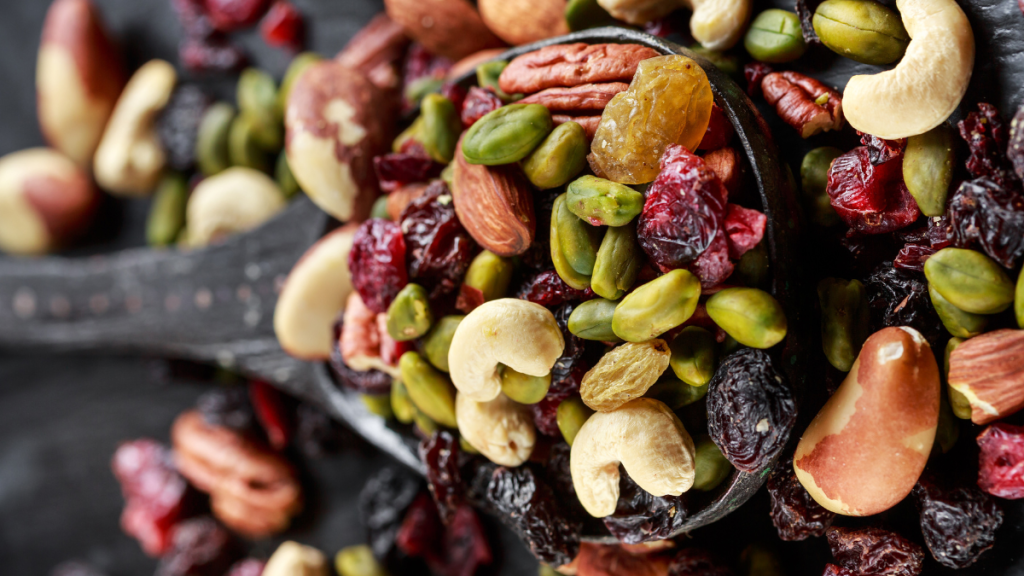
The Nutritional Power Duo: Benefits of Adding Nuts and Dried Fruit to Your Recipes
In the world of culinary delights, there exists a treasure trove of ingredients that not only tantalize the taste buds but also offer a plethora
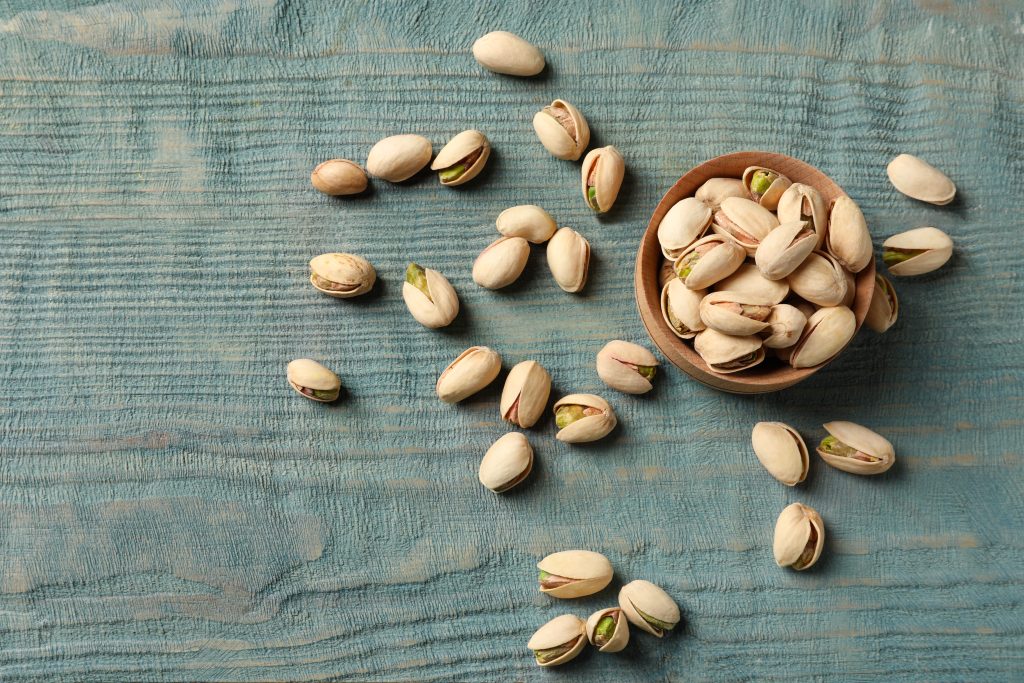
Dare to discover fun facts about Pistachios?
Happy Pistachio Day! Each year, 26 February is dedicated to this nut, which punches above its weight when it comes to taste and nutrition! Pistachio lovers rejoice as they eat their favourite nut all day long.
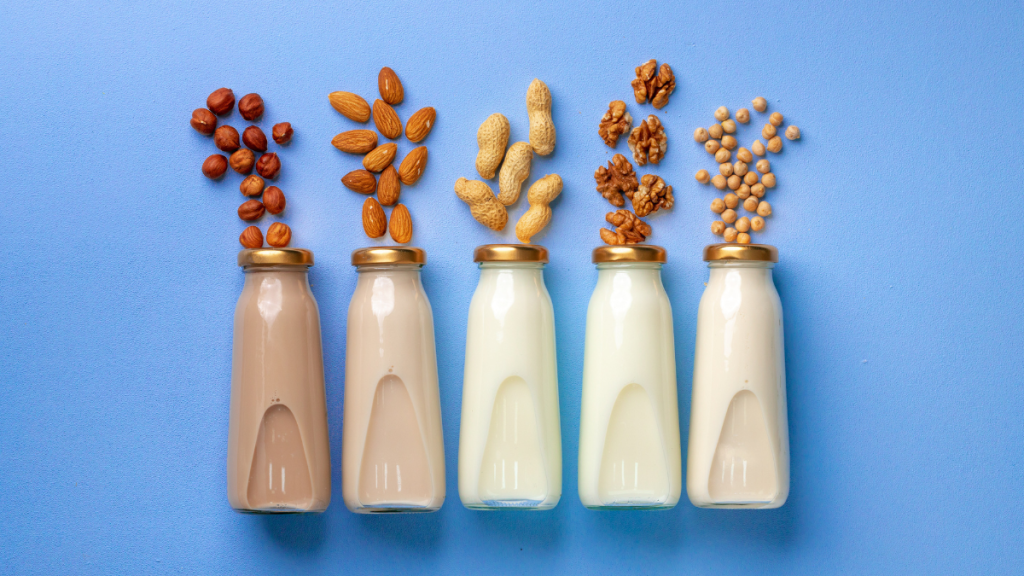
How to Make Your Nut Drink in 3 Easy Steps
As you may have heard, the popularity of plant-based diets has surged in recent years, and the trend shows no signs of slowing down. This
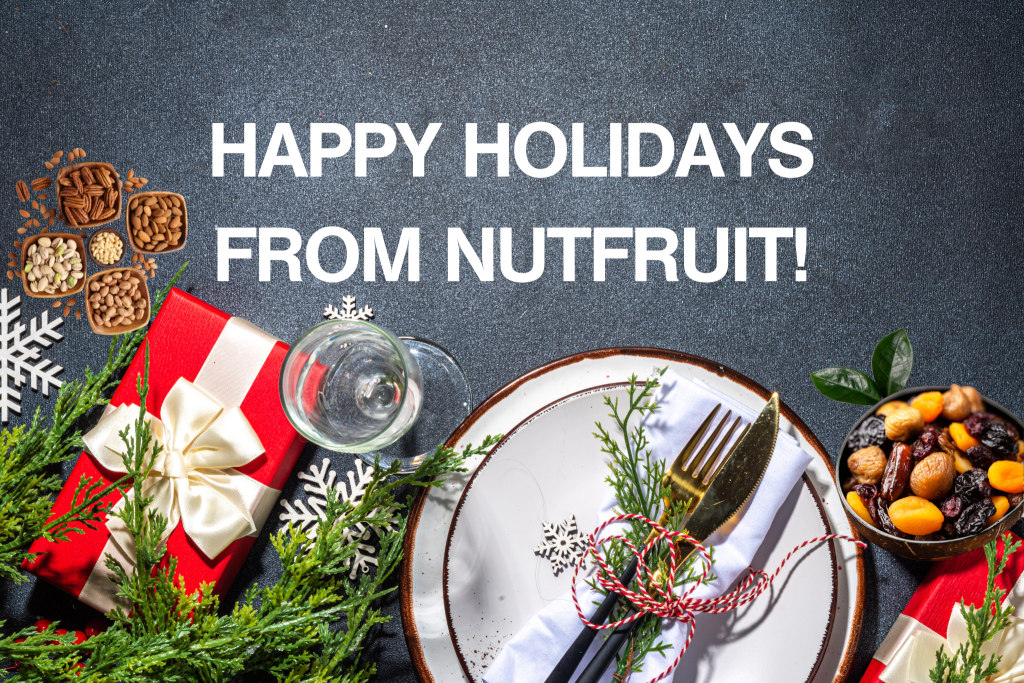
Celebrating Holidays with Nuts and Dried Fruits: A Festive Fusion of Flavor and Decoration
The holiday season is upon us, and what better way to embrace the spirit of Christmas than by incorporating the natural beauty and rich flavors of nuts and dried fruits into your celebrations? These delightful and versatile ingredients not only make for a delectable…
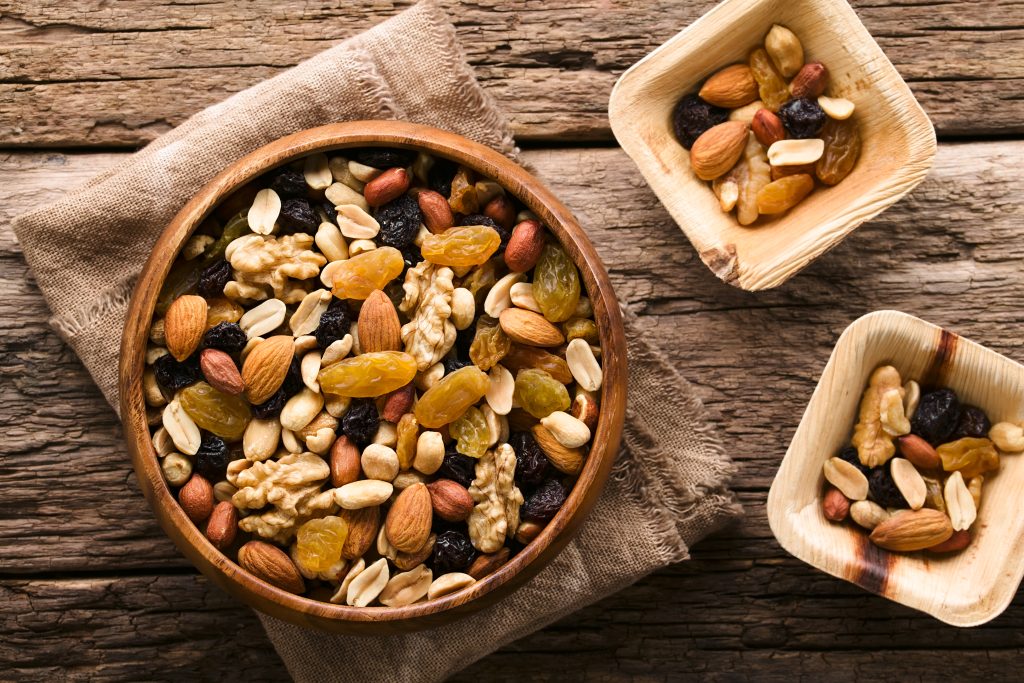
Dried Fruits May Help Bone Health
Characterized by low bone mass and deterioration of bone tissue, osteoporosis is a disease affecting millions of people around the globe. Bones lose their strength and are more likely to break after a minor fall…
Tips to Include Nuts and Dried Fruits Into Your Diet
Have you ever heard the expression you are what you eat? Well, in some sense, it’s true. Nutrients from the foods we eat provide the foundation of function and wholeness of all the cells in our body, which is why it is important that we try to maintain a healthy diet and lifestyle.

A Chat with Chef Jean Delport
Originally from South Africa, Jean Delport embraces his culture past and present. After training at some of the best restaurants in the Cape Winelands and
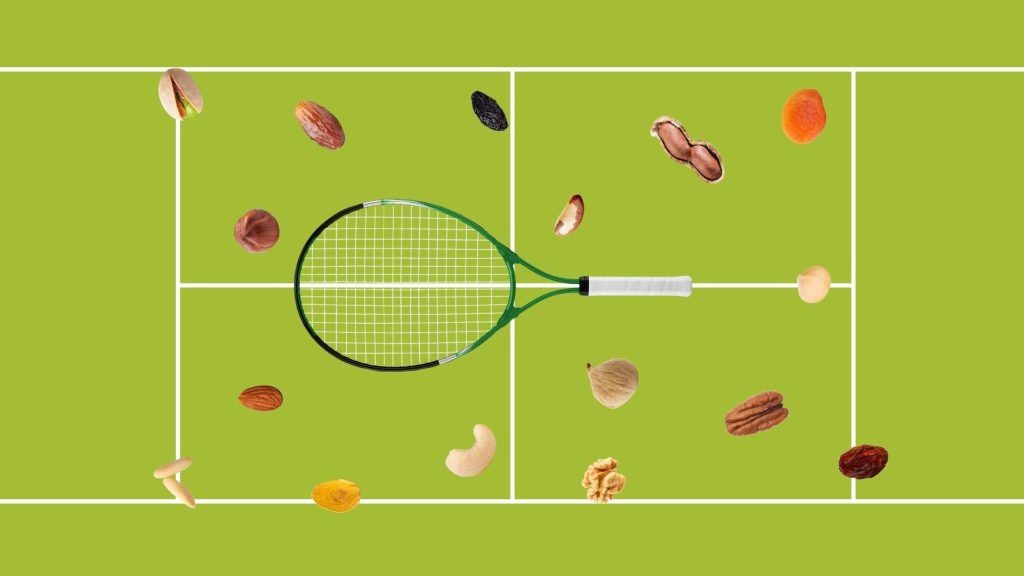
Healthy Snacking at the Wimbledon Tennis Tournament with Nuts and Dried Fruits
The Wimbledon tennis tournament is back, which means that many of you are looking forward to attending the match with your family and friends (or rivals 😉)
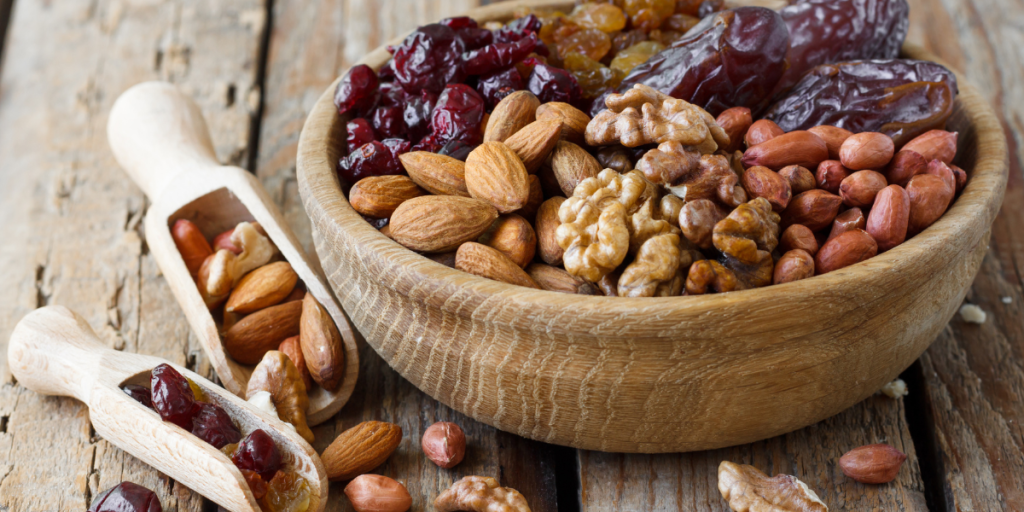
Reasons to Eat Nuts and Dried Fruits on a Daily Basis!
During April try adding nuts and dried fruits into your diet on a daily basis and let us know how you feel! In this article, we will share with you some key moments to eat nuts and dried fruits, and share what health benefits they can bring to your life.

A Chat with Chef Massimiliano Alajmo
Massimiliano Alajmo is a world-renowned Italian chef. He spent much of his childhood in Le Calandre with his mother, who was the chef of the
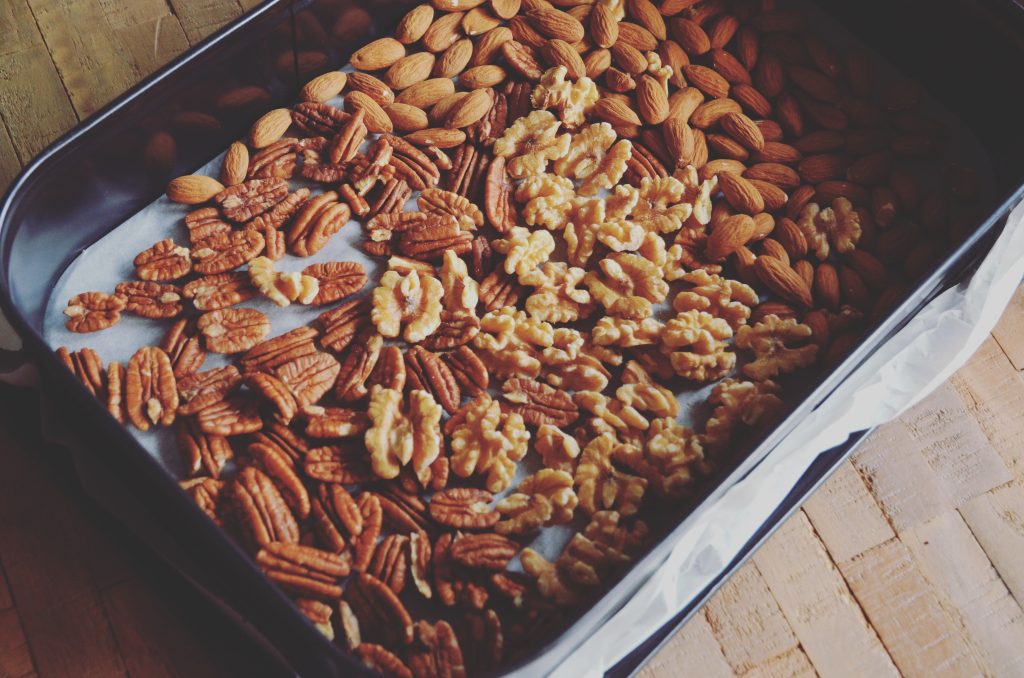
Different ways of eating roast nuts
This month we want to make your life easier, do you want to learn how to roast nuts? You’ve been looking forward to it, haven’t you? Here we go!
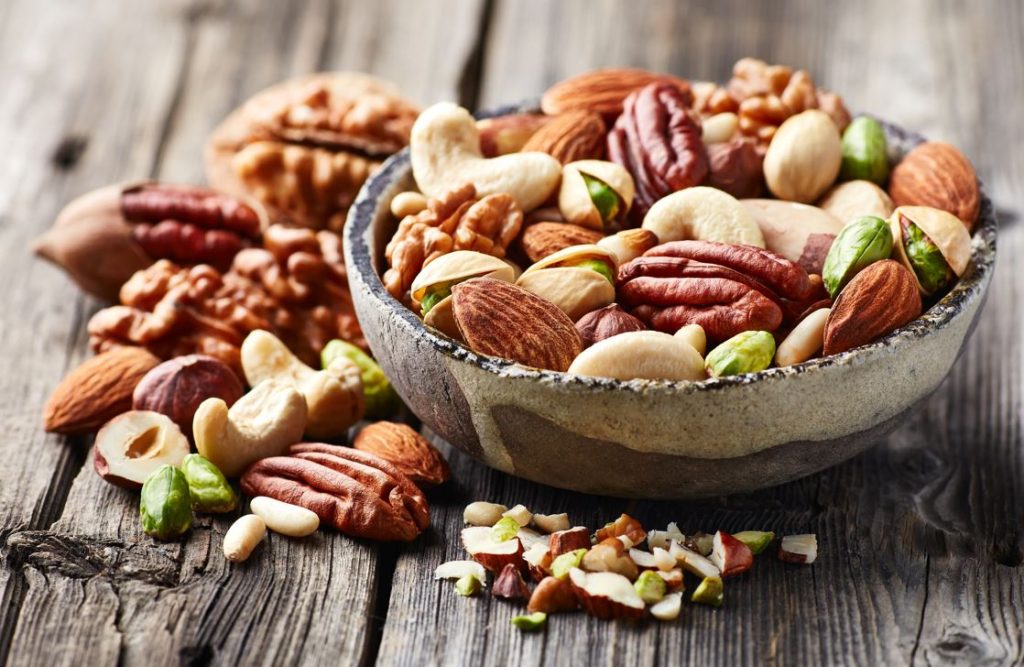
Plant-based Eating and Healthy Recipes with Nuts
New year, new you! Sound familiar? How many of us have started off the year with that healthy eating plan fully loaded and ready to go?

A Chat with 2-star Michelin Chef Michel Roux Jr
Legendary chef Michel Roux Jr is the Chef Patron of iconic Michelin 2-starred Le Gavroche in Mayfair, London, as well as being an author and
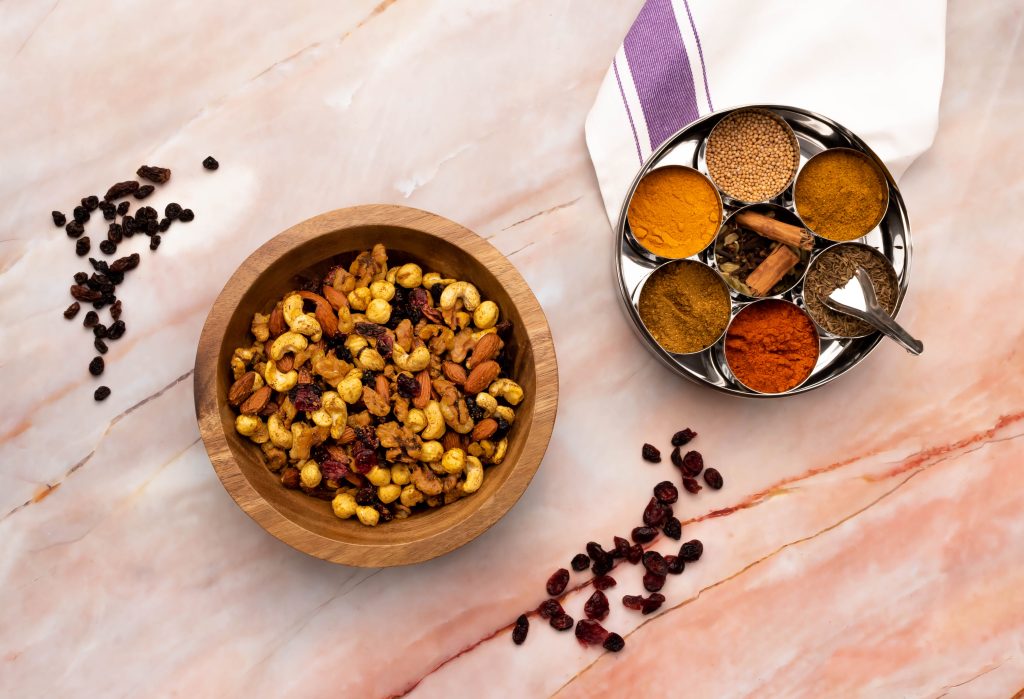
Healthy World Cup Snacking with Nuts & Dried Fruits
Another World Cup is here, which means a number of you will be getting organized to watch the games with family and friends (or rivals), with an assortment of snacks ready to be served. But are nuts and dried fruits in that mix?
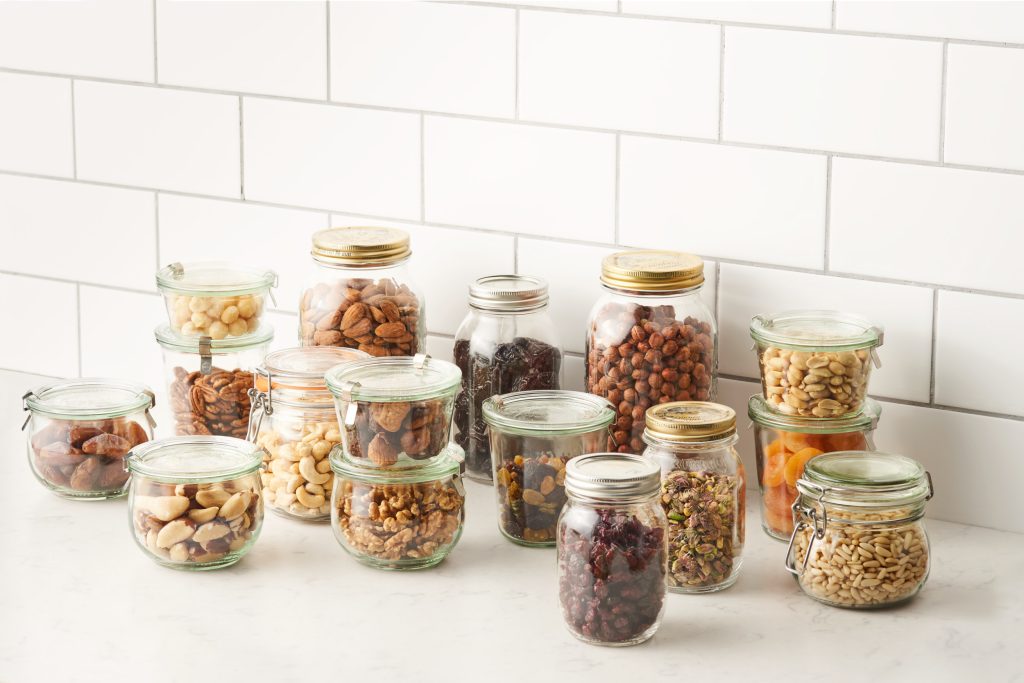
International Experts Recommend Nuts and Dried Fruits as Part of a Healthy Diet
You may have heard, especially from us, the importance of adding nuts and dried fruits into your daily diet. Well, this October the world’s leading

Brazil Nuts and the Amazon Rainforest: A Story of Sustainability, Livelihood, and Conservation
The Brazil nut and the Amazon rainforest are inseparable and as deforestation, wildfires, and land grabbers destroy the rainforest, the negative chain effect begins. Therefore,

A Chat with Two Michelin-Starred Chef, José Avillez
José Avillez is considered one of the great references of gastronomy in Portugal and has stood out because of his enterprising spirit and drive to
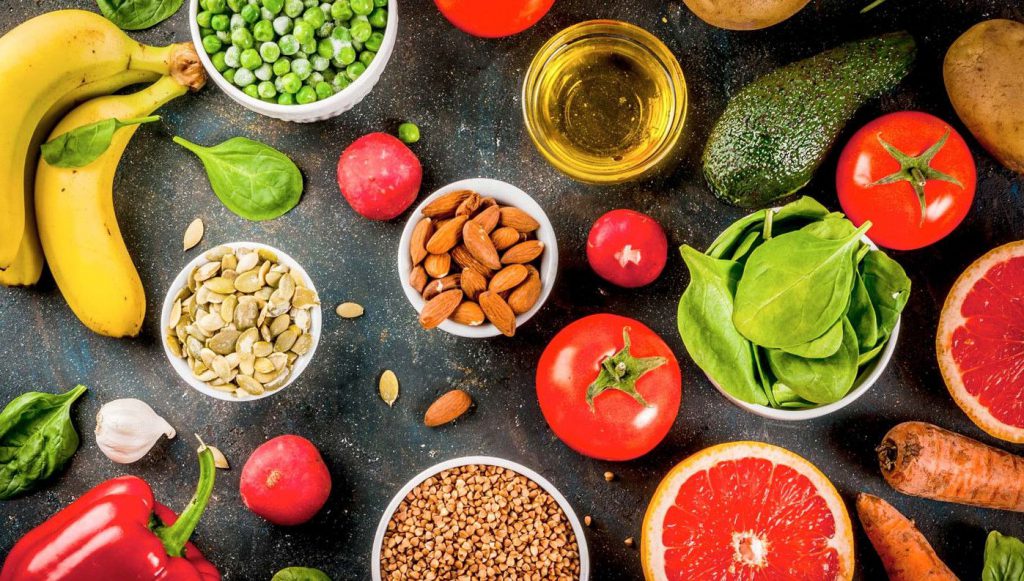
A Plant-Based Diet and the Role of Nuts and Dried Fruits
Plant-based diets have been on the rise for a number of years now. Not only are we becoming more self-aware about what we are putting
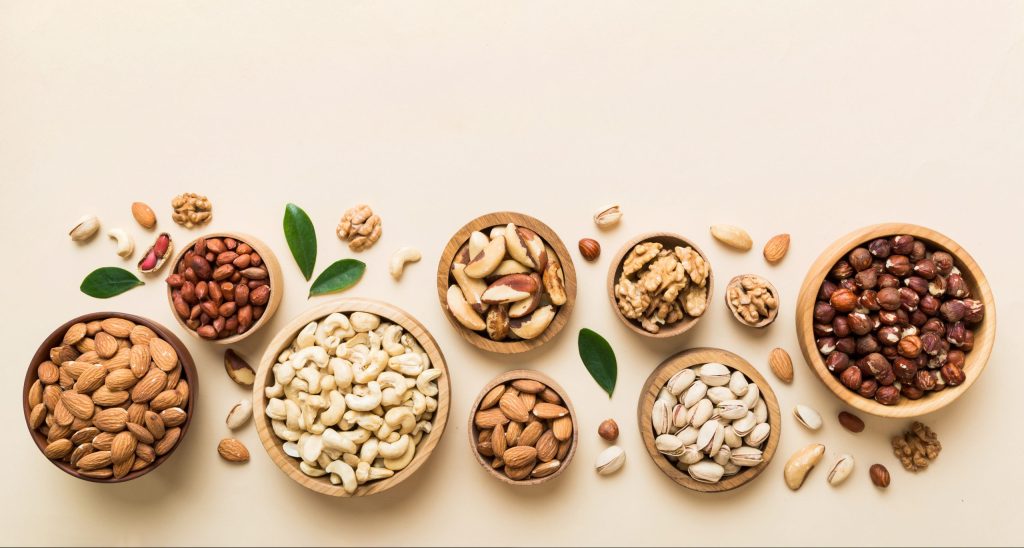
Why Snacking on Nuts and Dried Fruits May Benefit Your Health
In the past, the concept of snacking has been perceived as negative involving over indulgent “treats” however, that doesn’t have to be the case. Scientific
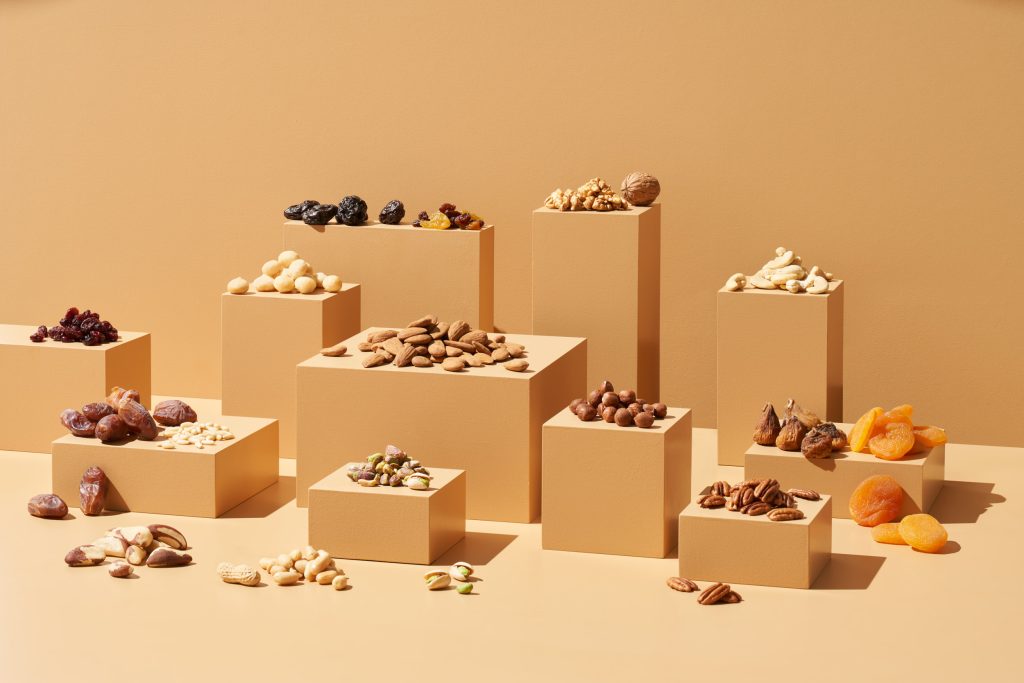
Common Myths About Nuts and Dried Fruits
Nuts and dried fruits have been in our diets for a long time and, in recent years their health benefits and the importance of adding

INC Talks with Michelin Star Chef, Carme Ruscalleda
Carme Ruscalleda is world renowned Michelin star chef who specializes in Catalan cuisine with influences from all around the world. She is the only female
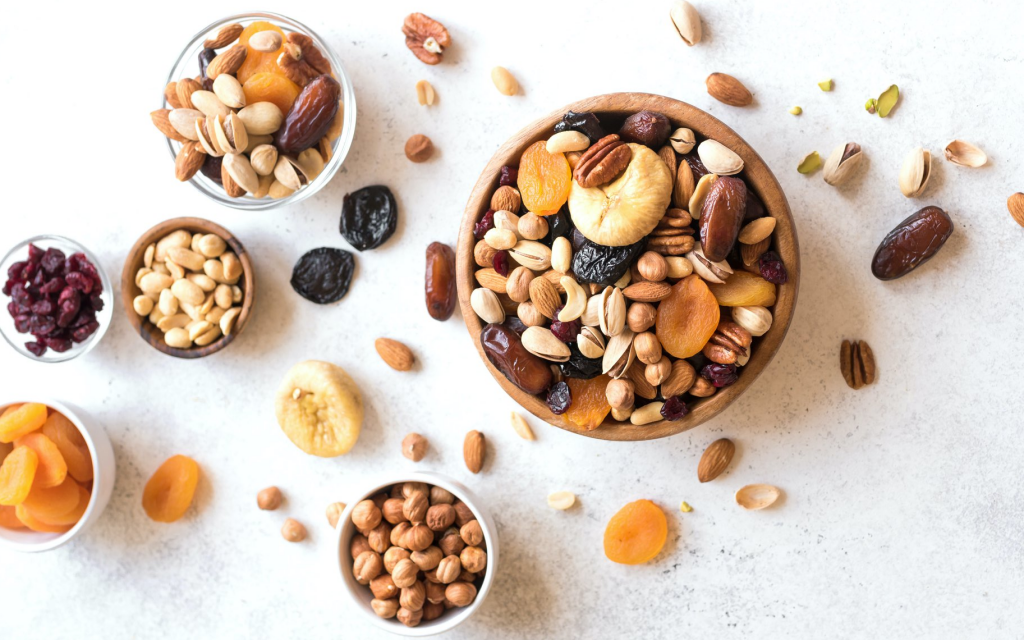
Should you go plant based? By Dietitian & Nutritionist, Rebecca Gawthorne
What are your goals for the new year? If you are wanting to step up your health game, live longer and even help the planet,

The Impact of Nuts and Dried Fruits on Your Digestive Health
Did you know that human gastrointestinal microbiota, also known as gut flora or gut microbiota, is the human body’s largest population of microorganisms that live
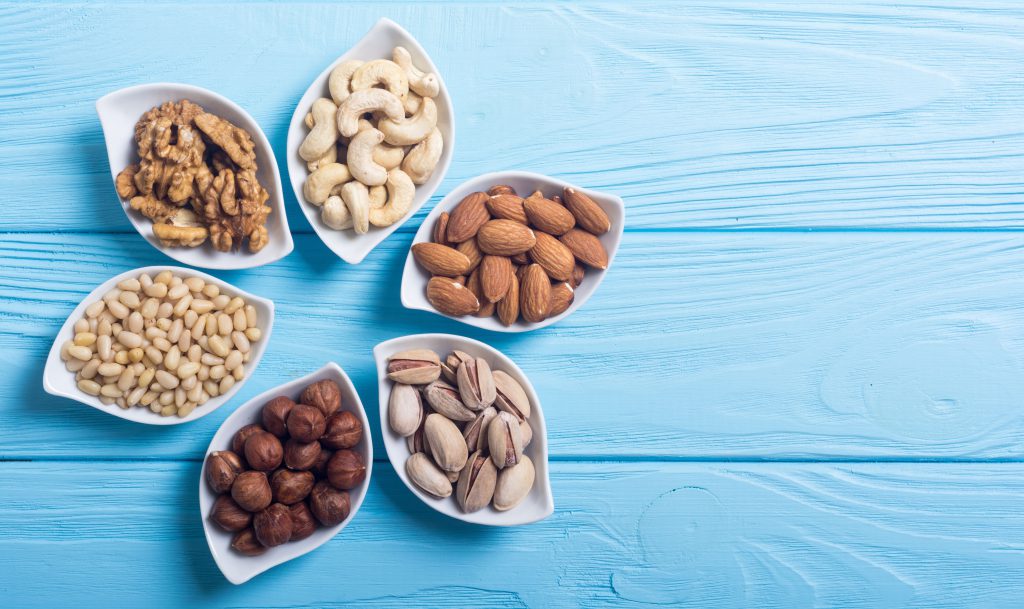
How to Create Routine and Structure When the World Feels Out of Control by Registered Dietitian Nicole Osinga
It’s hard to believe that we have been in a Global Pandemic for about a year now. This situation has not only impacted our health,
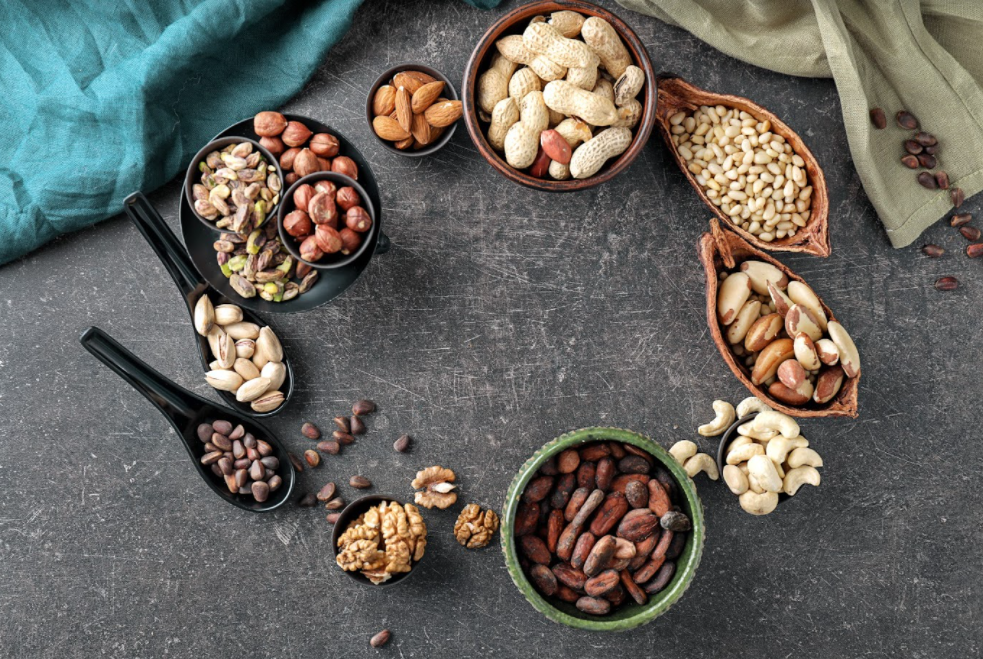
The Importance of Omega 3 and the Benefits of Nuts by Nutritionist, Carlos Rios
Extensive evidence shows us that an adequate intake of omega 3 from plant foods in the form of alpha-linolenic acid or ALA (found in nuts
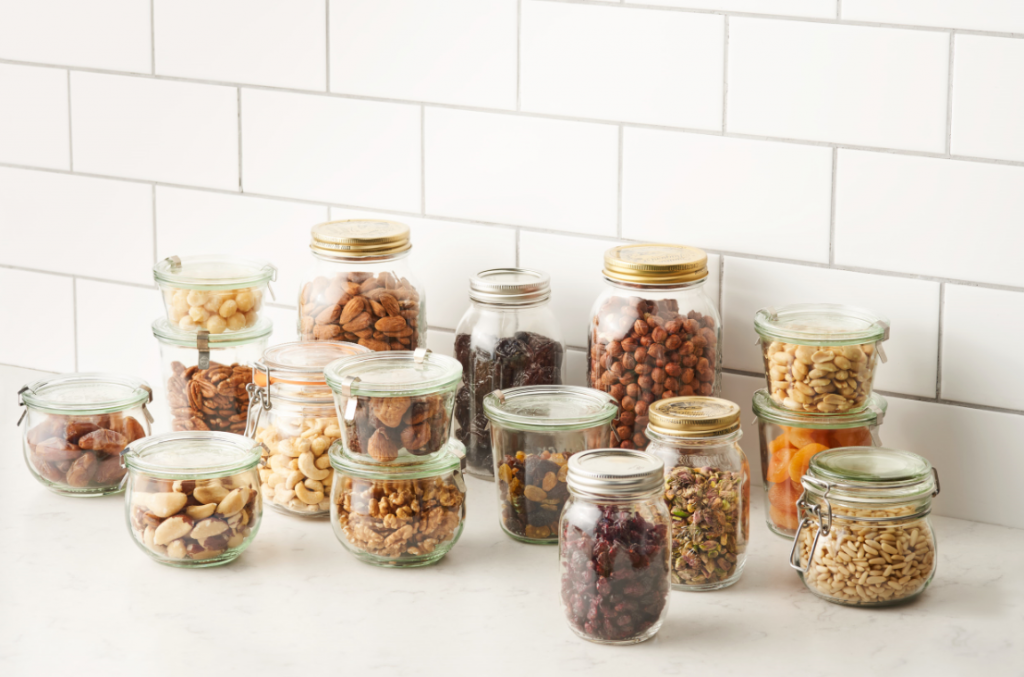
Debunking the Myths of a Plant-Based Diet
Plant-forward eating has been at the forefront of conversation surrounding a healthy and sustainable way of living for a number of years now and, it
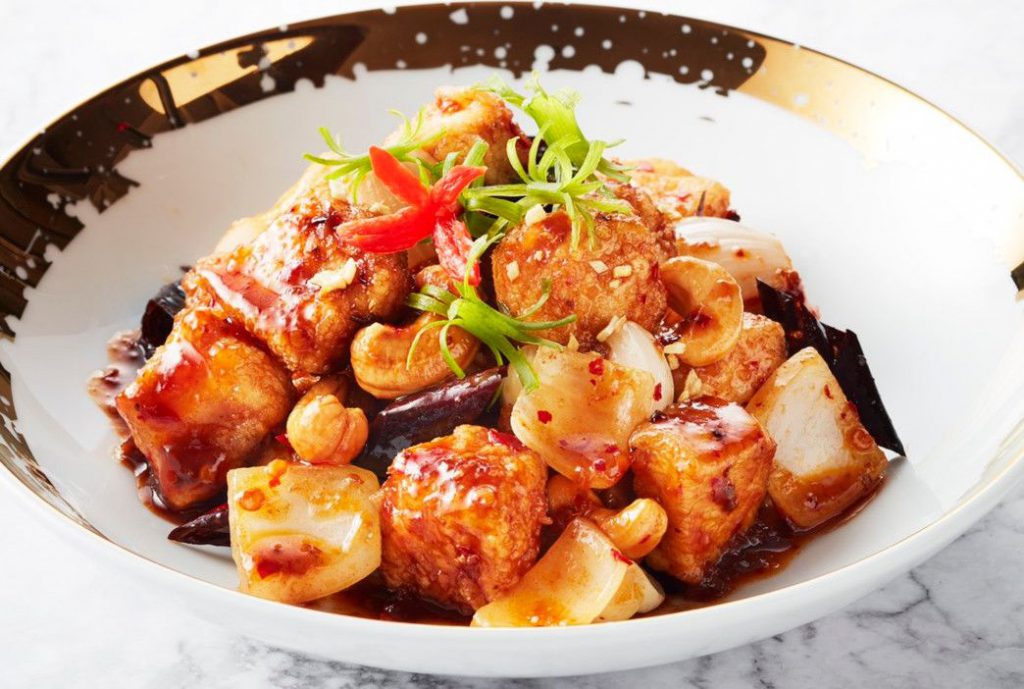
INC Chats Thai Cusine with Michelin Star Chef, Chumpol Jangrpai
“For me, nuts and dried fruits add another layer of texture to dishes. Layers of texture in dishes are loved in Thai cuisine, and in
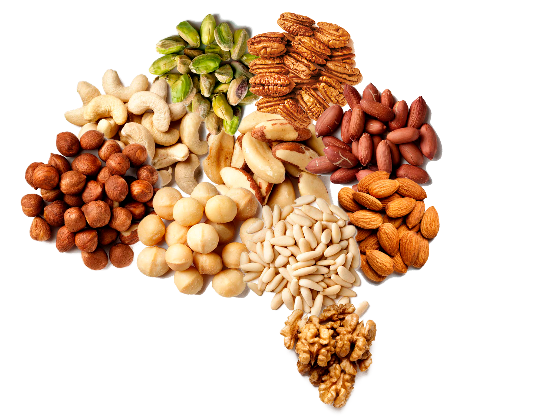
Want to Have a Better Brain Health? Diet is Key! (And Nuts Too)
Lifespan has significantly increased in modern society. However, brain diseases are unfortunately on the rise. That includes neurodegenerative disorders such as Alzheimer’s disease, which is
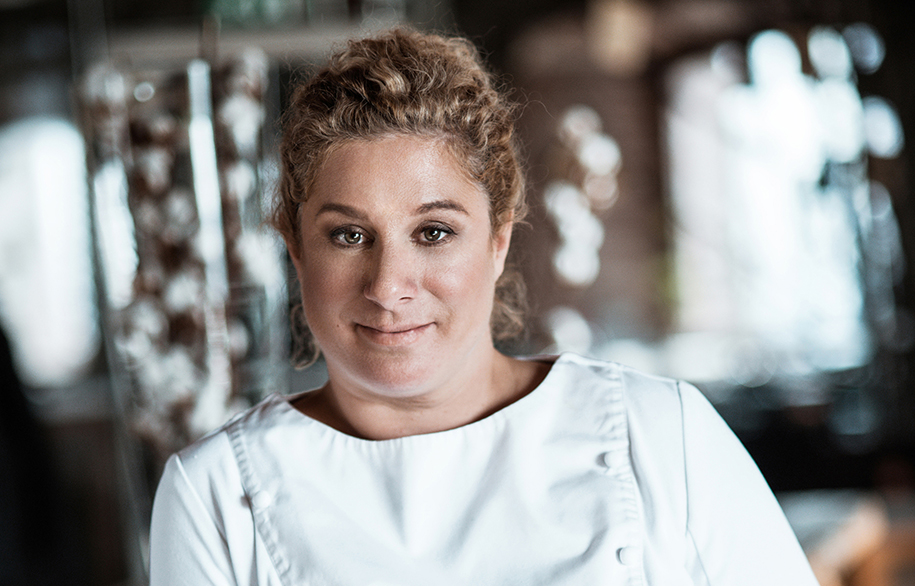
“Nuts should be part of everyday cuisine”
Ana Roš, the head chef of Slovenia’s Hiša Franko and crowned The World’s Best Female Chef in 2017 by The World’s 50 Best Restaurants. It was not part
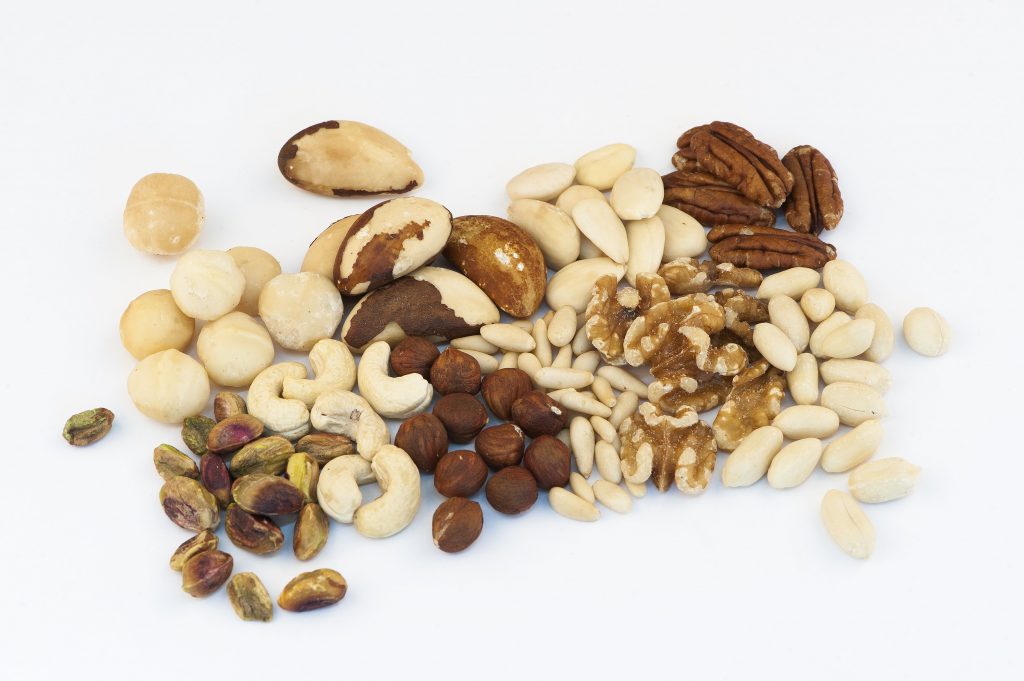
Add Nuts to Your Diet and you Could Help to Improve the Number and Quality of Sperm
The good news is that not everything is down to genetics – as scientific evidence shows that diet also plays a prominent role in male fertility.
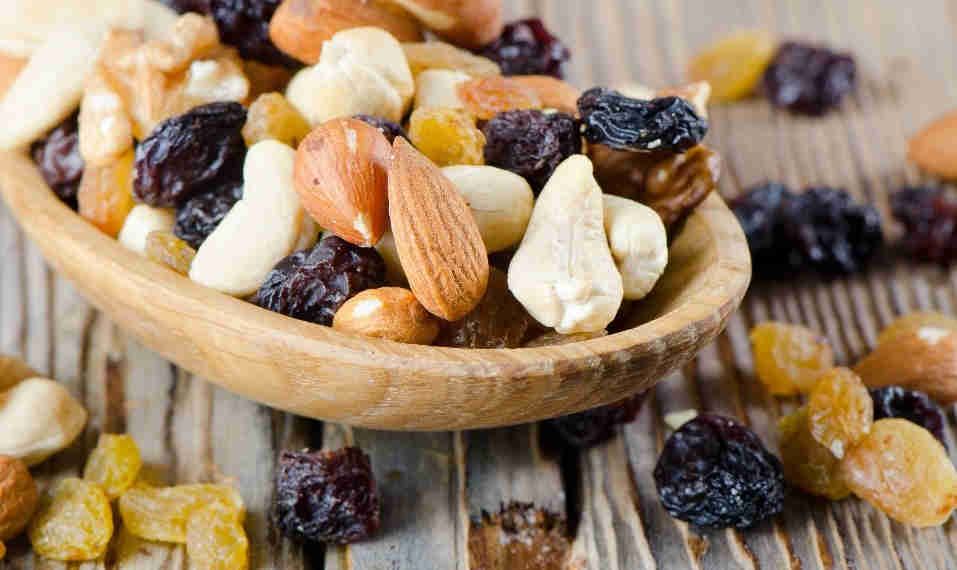
Do You Want to Reduce Your Blood Sugar Levels? Dried Fruits Might Be Your Solution
Despite educational efforts and social awareness, the consumption of fruits and vegetables is lower than recommended by health agencies.
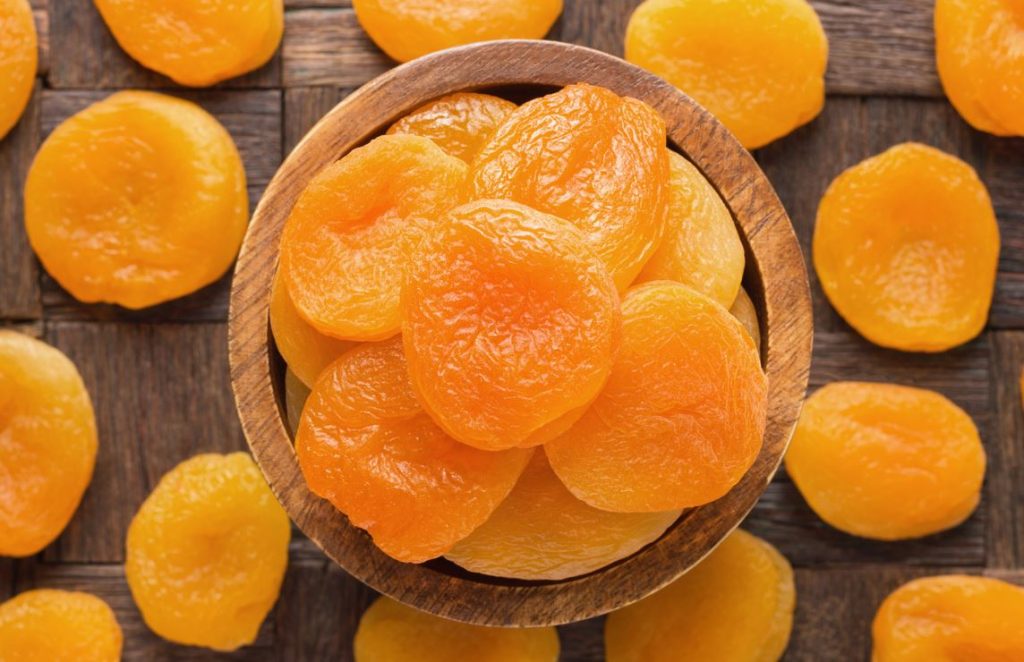
Quick Nutfruit Tips: Learn How to Rehydrate Dried Fruit
Looking for a new taste to add to your dishes? Rehydrate your favorite dried fruits to add the moisture back in. By doing this not only will you enhance their flavor but also soften their texture.
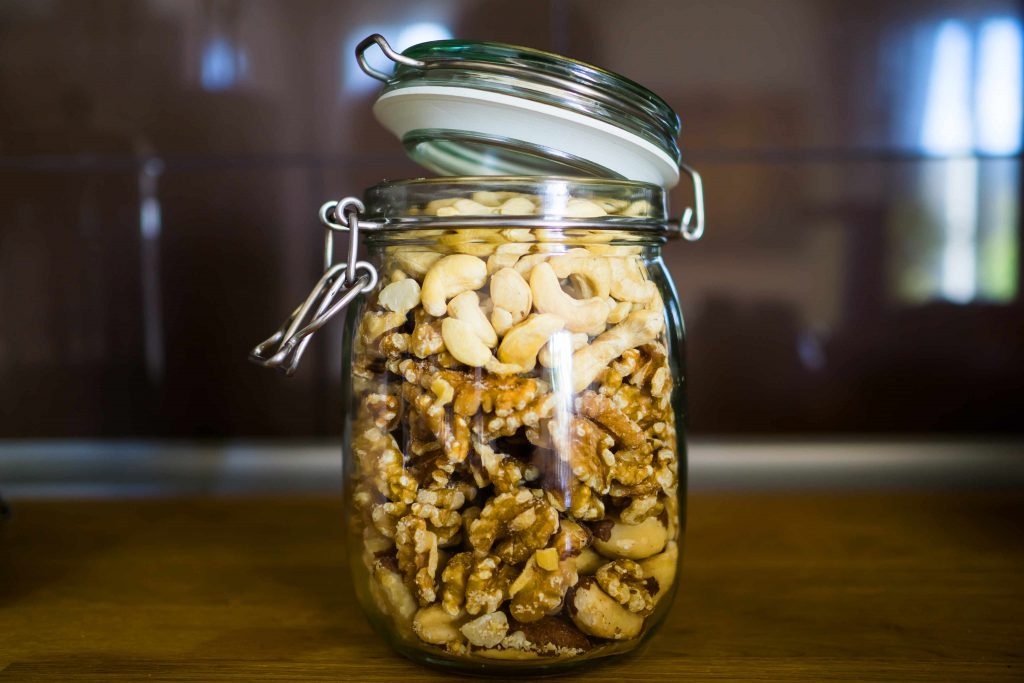
Want to Prevent Strokes? Then… Eat Walnuts!
Walnuts are high in polyunsaturated fat, fiber, thiamin, vitamin B6, and minerals such as magnesium, phosphorus, zinc, copper and manganese1,2…
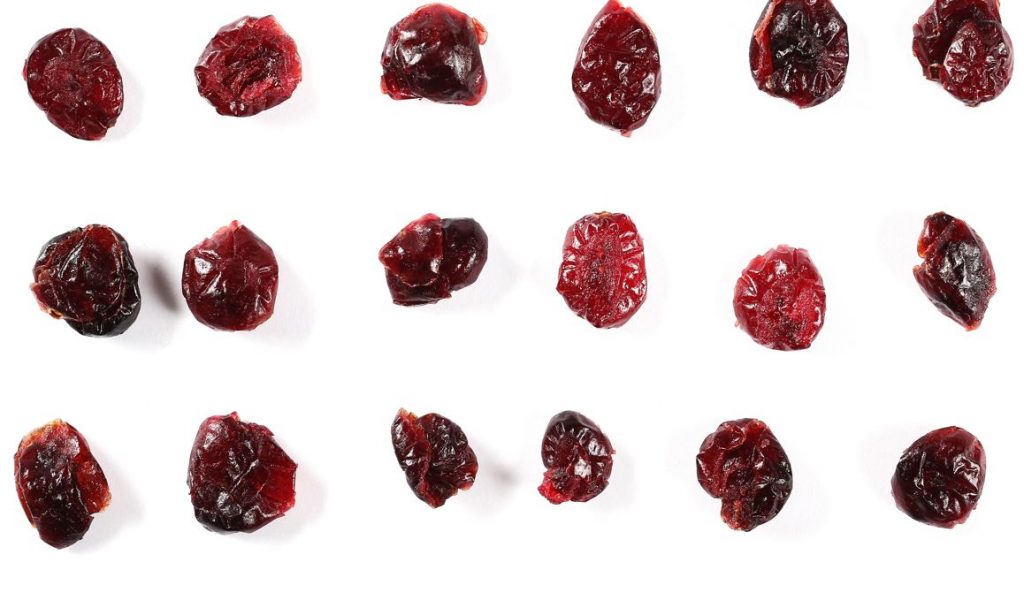
Dried Cranberries May Help Prevent Urinary Tract Infections!
Urinary tract infections are one of the most common bacterial infections, affecting nearly 150 million people every year, especially women. Prevention is important and dried cranberries may help us. Want to know how?

INC talks to Michelin Star Chef, Lionel Rigolet
Nuts and Dried Fruits : “Crunch and Originality” Comme Chez Soi is a two Michelin Star family-run restaurant founded in the early 20th century by Georges
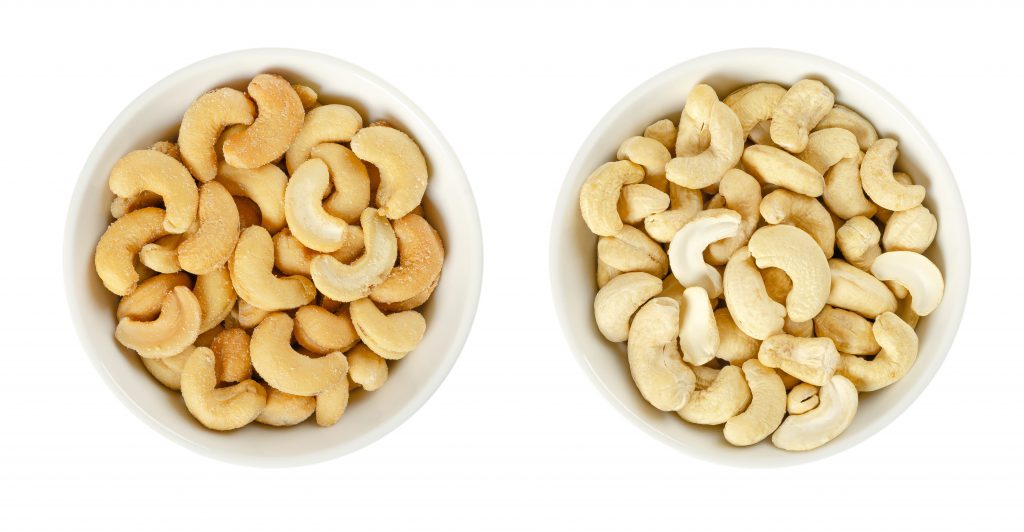
Healthy Snack: Spiced Roasted Cashews
Looking for a healthy and nutritious snack to take with you when you’re on the go? Look no further. Take cashews! Did you know that cashews are high in vitamin K and minerals such as…
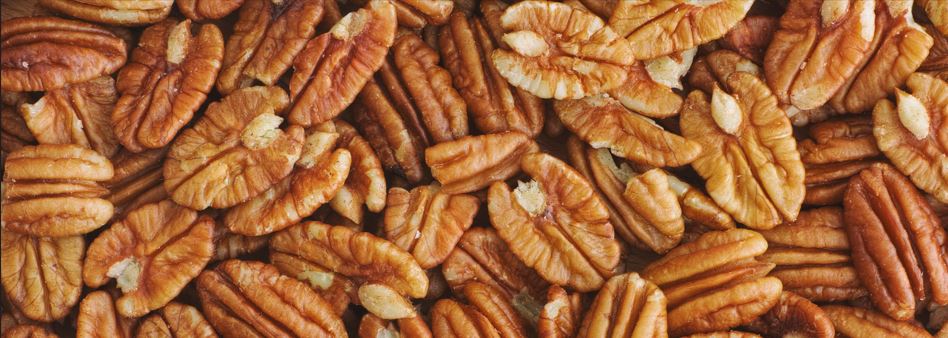
Eat Pecans! Your Heart Will Thank You for It
Pecans are high in thiamin, also known as vitamin B1, which contributes to the normal function of the heart. They are also high in fiber, minerals such as…
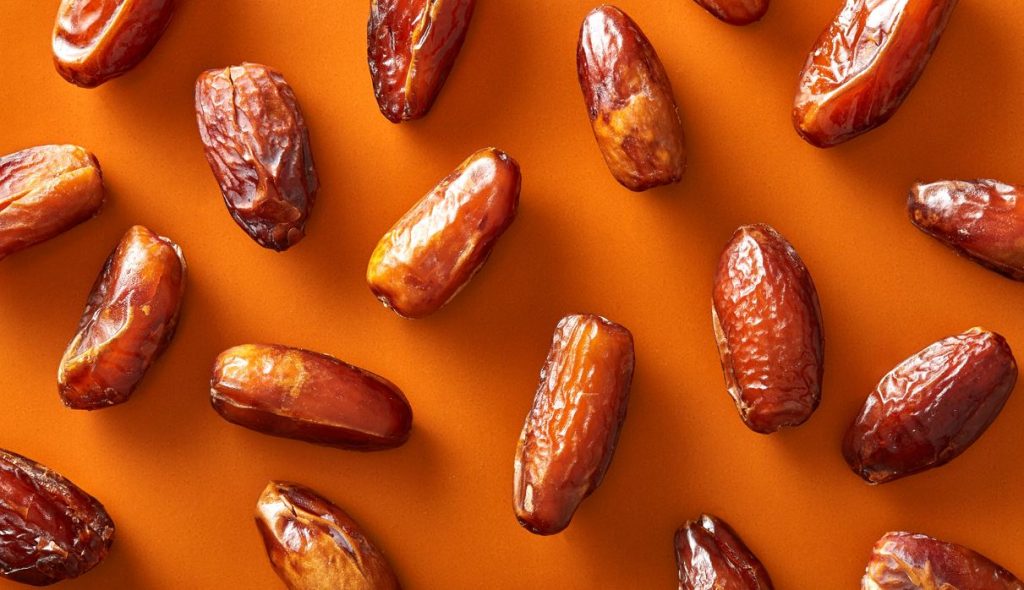
Dates: A Friend for Your Digestive Health
Constipation is a condition in which there is difficulty in emptying the bowels. It could be a chronic condition for many people all over the world and following a low-fiber diet may be one of the causes..
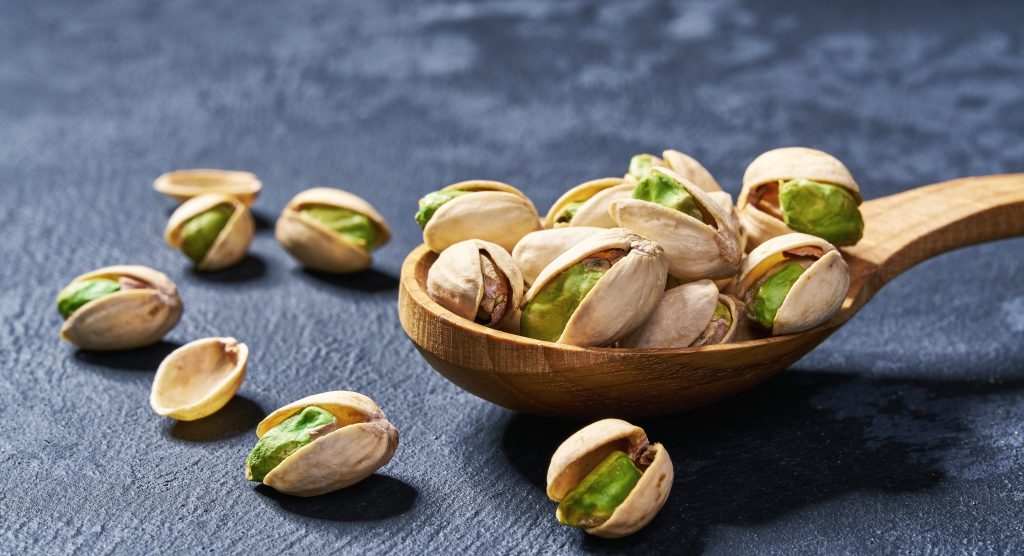
Are Your Blood Sugar Levels High? Eating Pistachios May Help!
Are your blood sugar levels on your mind? The journey to maintaining optimal levels is a crucial aspect of overall well-being.
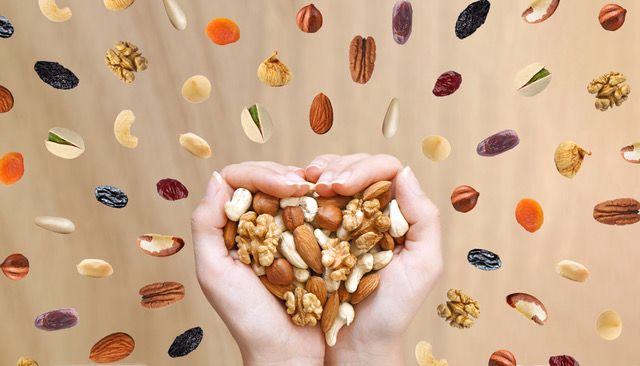
Nuts for Valentine’s Day… Or Any Day Really!
Valentine’s Day is once again around the corner and although known as the day of love sometimes, with all the publicity and pressure surrounding it
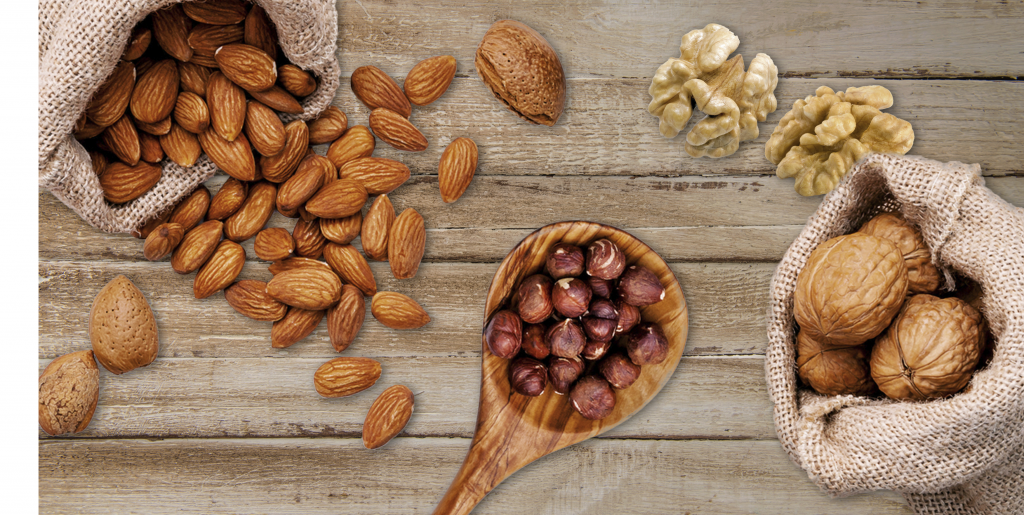
Do You Want Better Brain Health? Go Nuts!
Eating nuts has long been associated with having positive effects on our health, especially our heart health. But, did you know that higher nut consumption could also be the key to better cognitive function in the elderly?
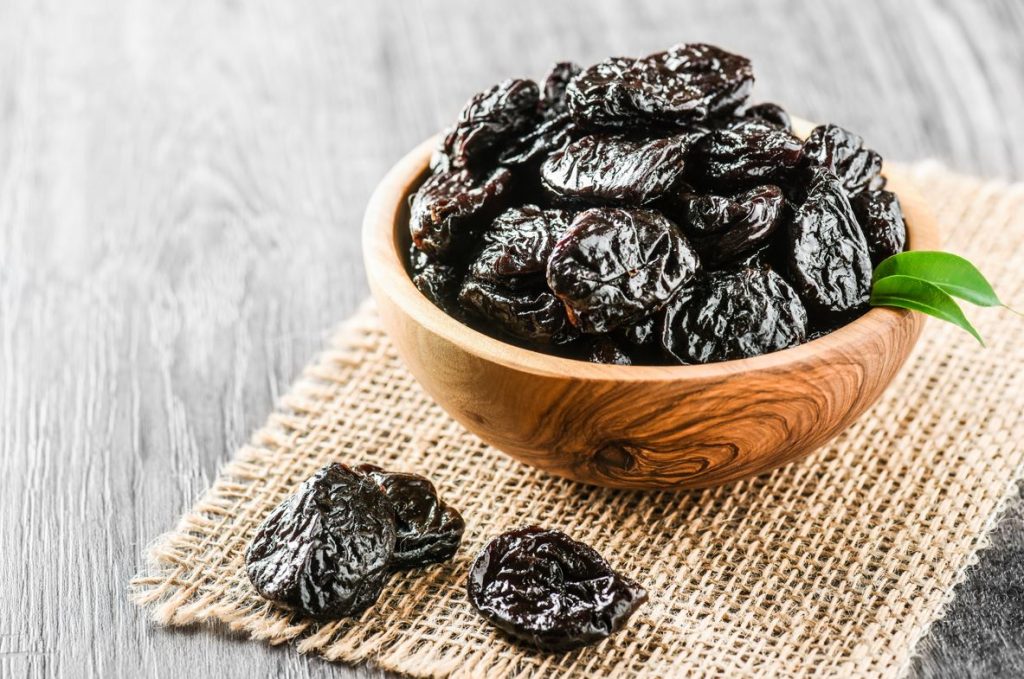
Eat Prunes to Help Improve Your Digestive Health!
Did you know that chronic constipation may lead to a poor digestive health? If you are suffering from constipation, you should eat prunes! Do you want to know why?…

The INC Talks With Saransh Goila, Founder of Goila Butter Chicken
Saransh Goila, the man who is taking the world of gastronomy by storm with his signature take on the classic Indian dish, Butter Chicken. Founder
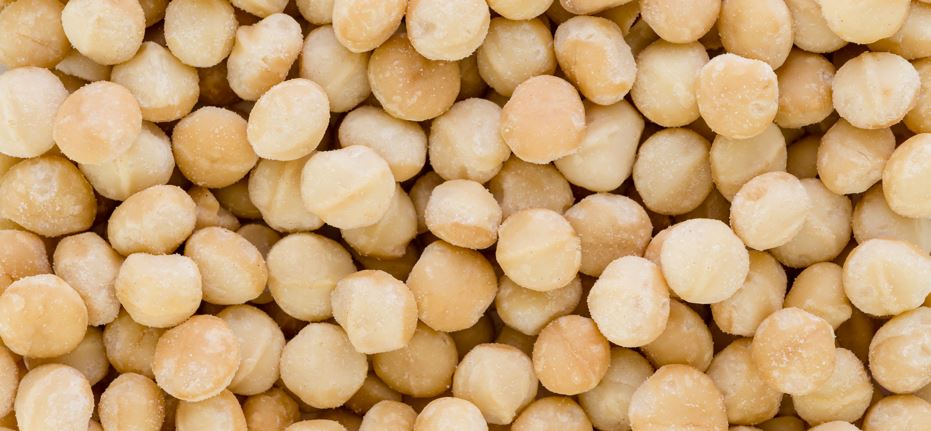
Want to Reduce Bad Cholesterol? Macadamias May Help You!
An unhealthy diet, high in saturated fat, sugar, salt and processed foods may affect your health, especially your bad cholesterol levels…
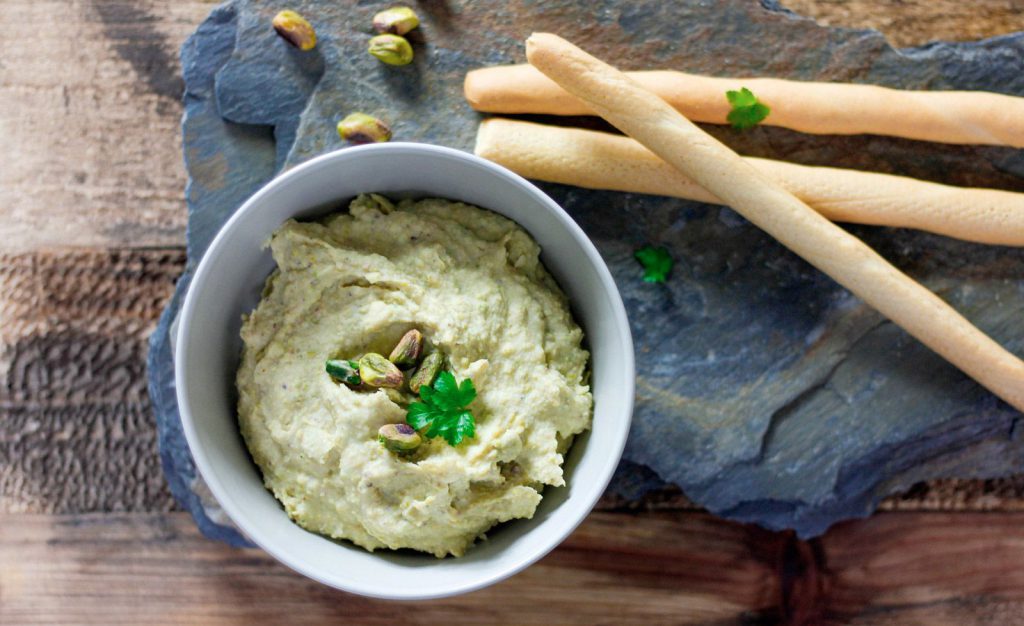
Back to “School” Healthy Meal Ideas
For many, September means the end of the holidays and the return to “reality”. It’s back to work for the adults and back to school
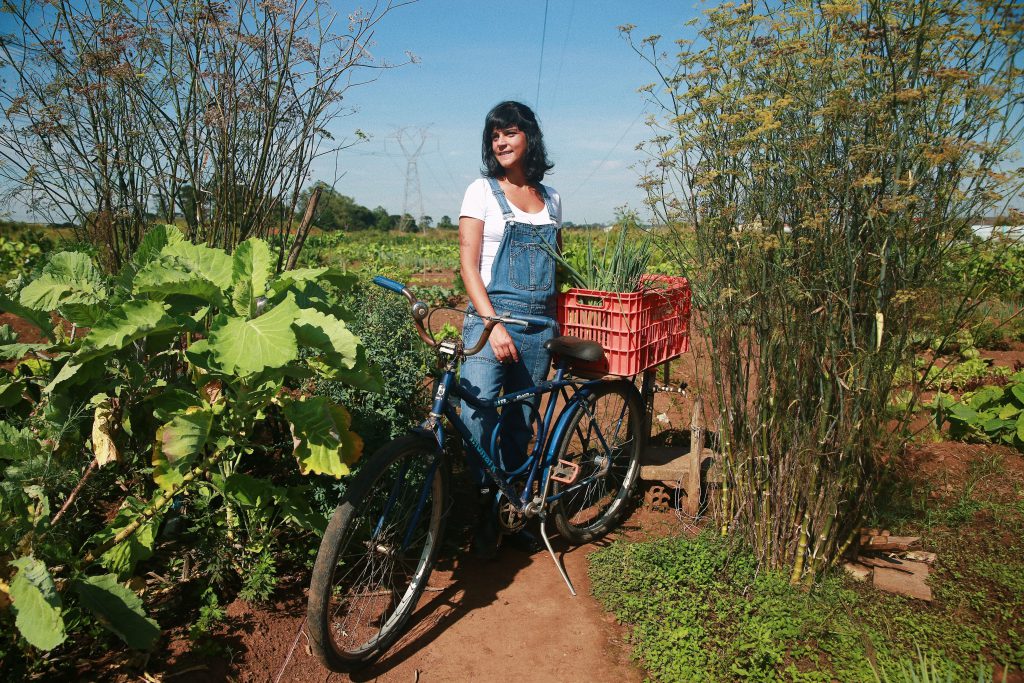
We Talk With Critically Acclaimed Chef, Manoella Buffara
Manu Buffara has received critical acclaim for its tasting menu that has been recognized by World’s 50 Best and Best Chefs Awards. Paving the way
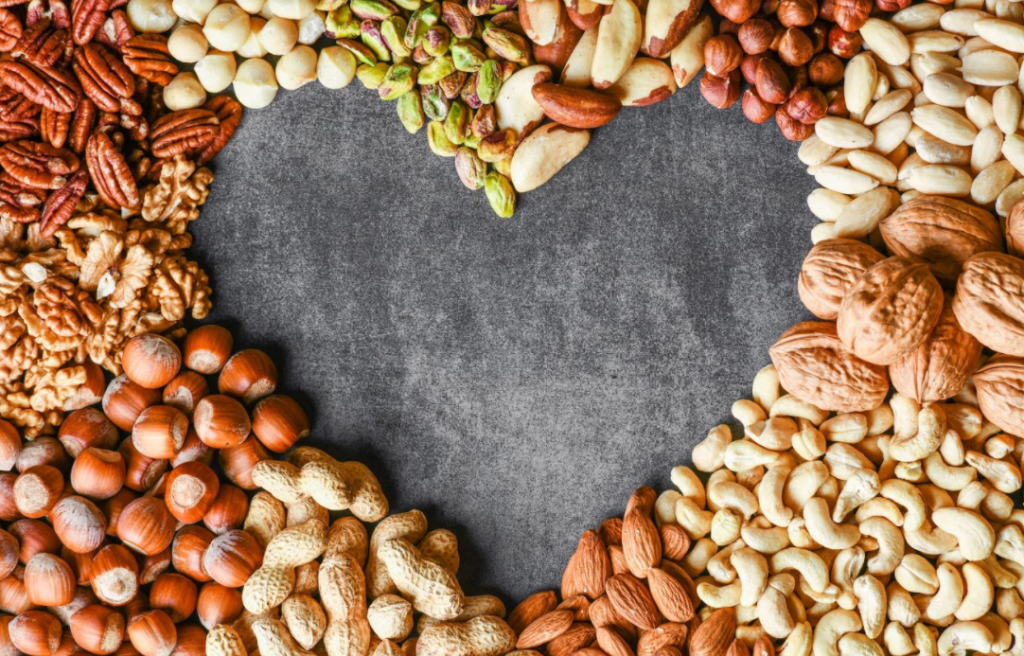
This Valentine’s Day Show Your Heart You Love It
Our heart’s work is never done beat by beat, second by second it never rests. Heart disease is still one of the leading causes of
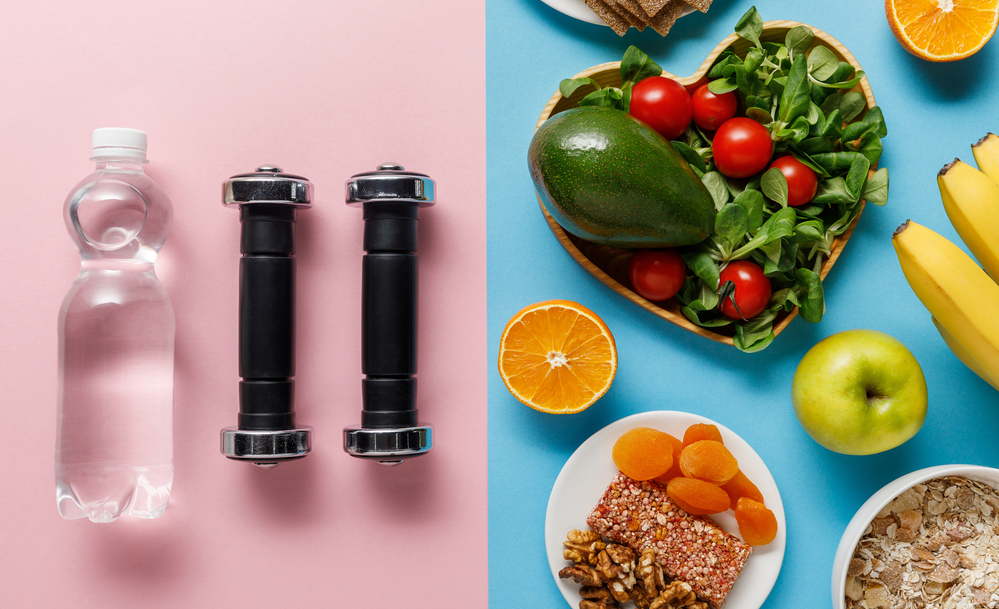
Tips for a Healthy New Year
Holiday season generally means that healthy thoughts go out of the window (at least that’s true for us) and we enter into January raring to
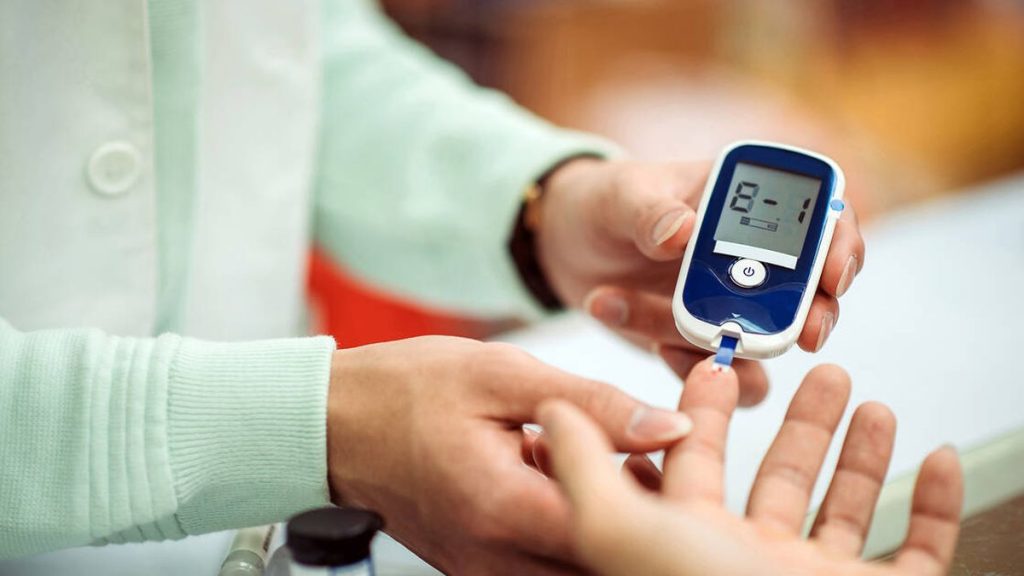
Med Diet supplemented with nuts reduces the risk of Type 2 Diabetes by 18%
According to the authors, the results of this study modify global recommendations to prevent or delay diabetes through diet. The statistics of diabetes are increasing globally,
Nuts Consumption Inversely Associated with Obesity
A new study published in the journal PLoS One by researchers of Loma Linda University, in California, found once more that tree nuts and peanuts
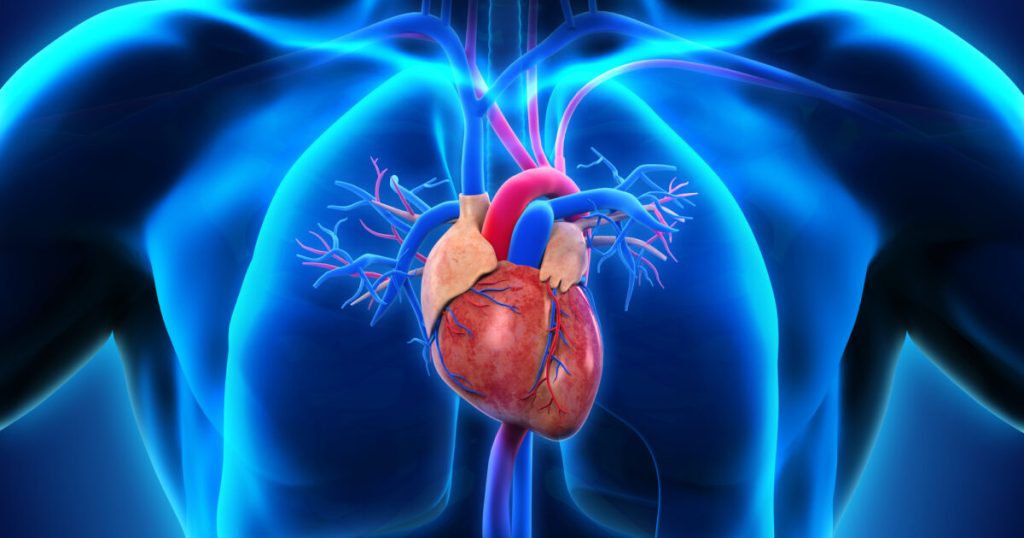
Mediterranean Diet Supplemented with Nuts Cuts Risk of Peripheral Artery Disease
Past research had indicated that following a Mediterranean diet (Med Diet) could decrease the risk of cardiovascular disease. Now new research highlights that a Med
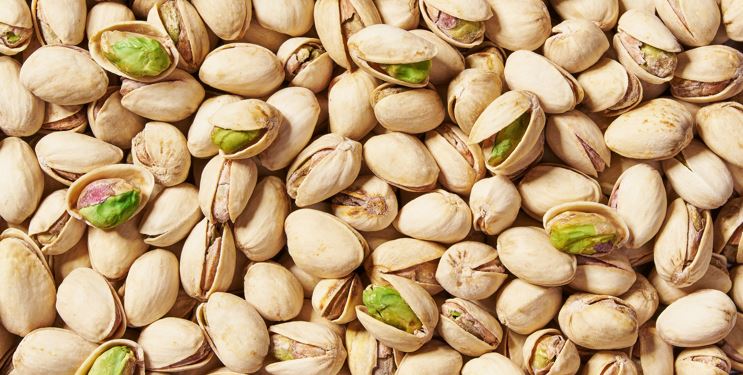
Spanish Study Concludes Pistachios May Help Reduce The Risk Of Diabetes
A study conducted by investigators from the Human Nutrition Unit at Rovira i Virgili University, Reus, Spain, has recently demonstrated that the inclusion of pistachios
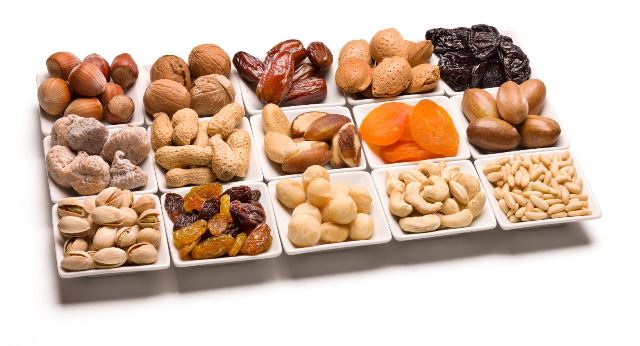
Daily consumption of nuts may reduce the risk of cardiovascular diseases by 30%
Regular consumption of nuts may reduce the risk of cardiovascular diseases up to 30%, according to the INC (International Nut and Dried Fruit Council). These
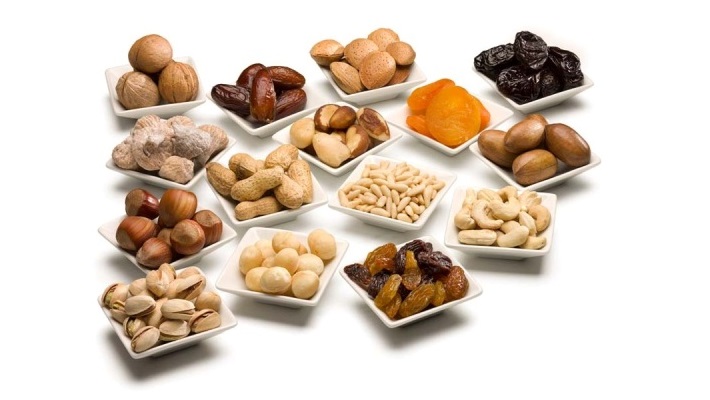
Regular consumption of nuts reduces by 29% the chances of death by cardiac disease
Consuming nuts regularly reduces by 29% the chances of death by cardiovascular disease. This is one of the main conclusions presented in the III World
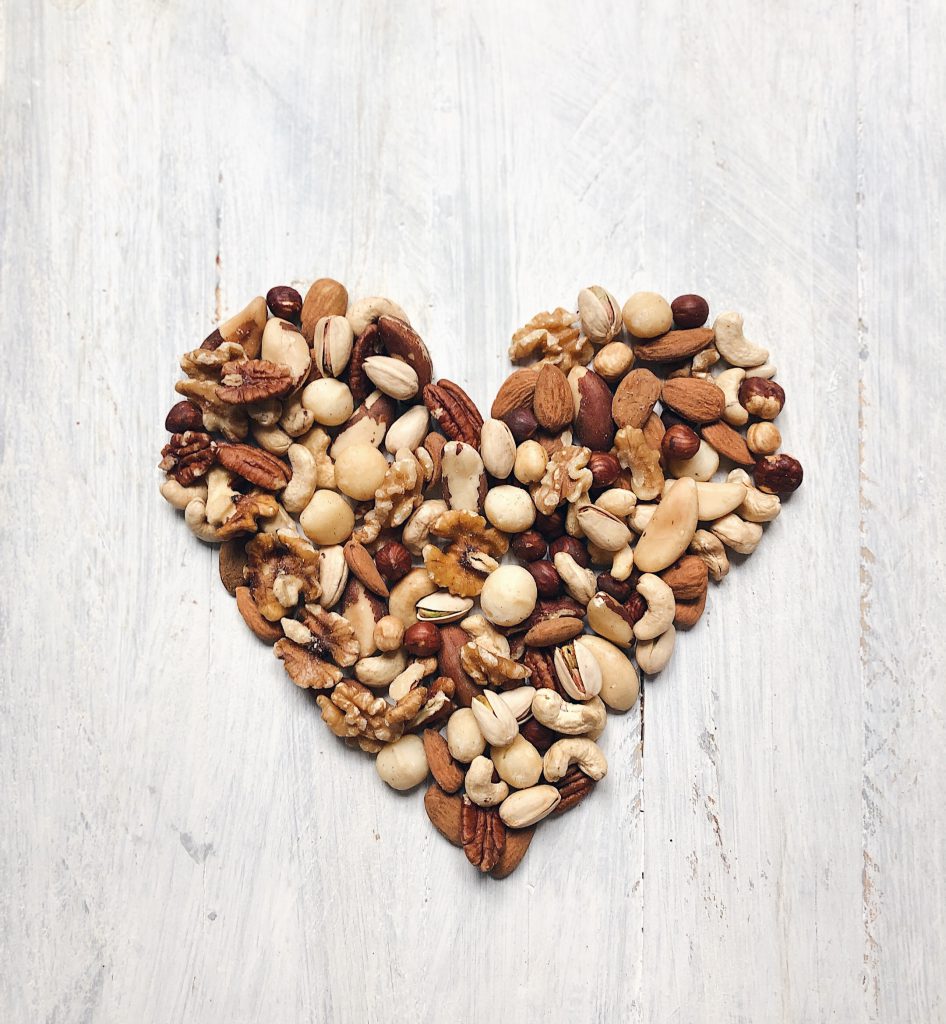
The incidence rate of type 2 diabetes can be reduced by 52% with a regular consumption of nuts
Nut consumption as part of a Mediterranean diet can help reduce the incidence rate of type 2 diabetes by 52%, according to the PREDIMED study
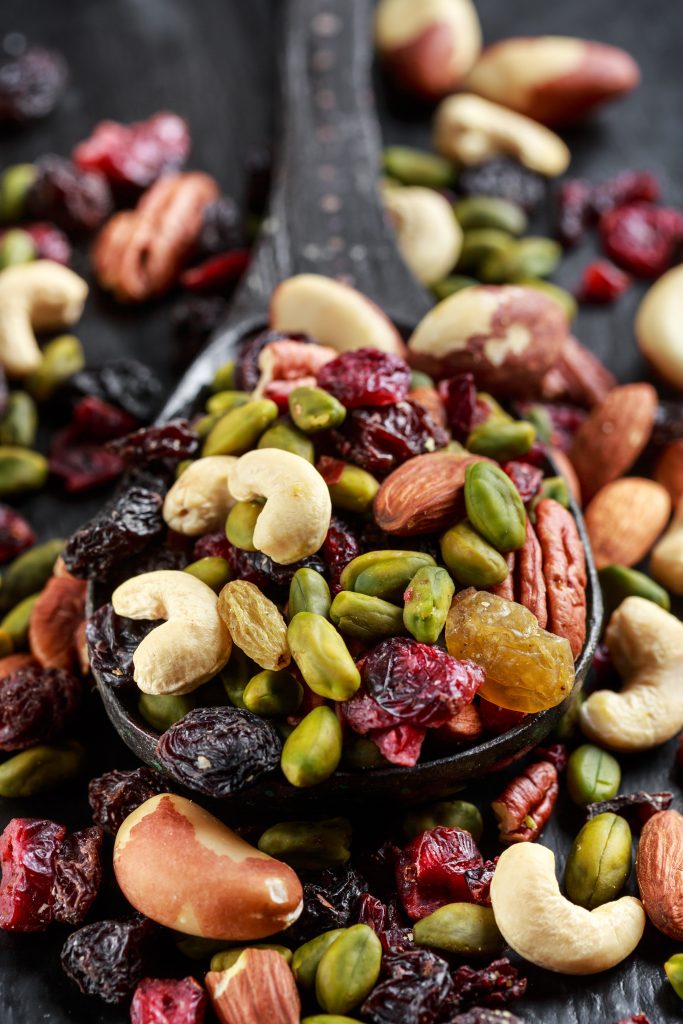
Nuts Included in AHA/ASA Guidelines for the Primary Prevention of Stroke
The American Heart Association and American Stroke Association have incorporated the statement “A Mediterranean diet supplemented with nuts may be considered in lowering the risk
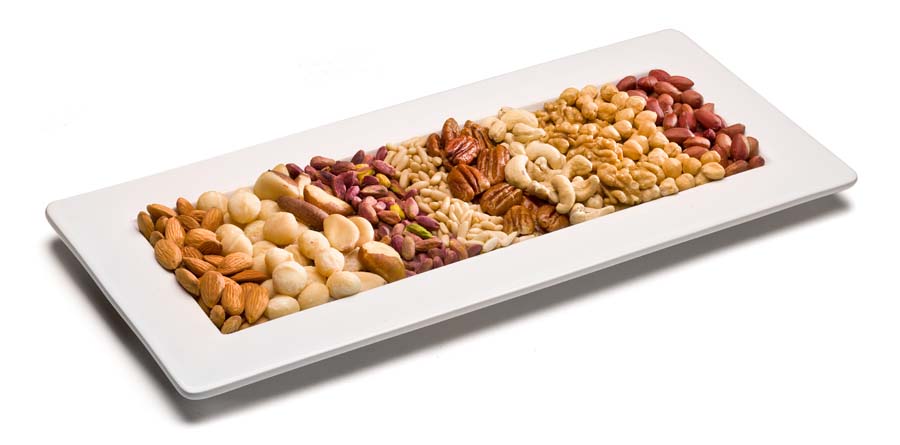
Studies Show that Regular Consumption of Nuts is Inversely Related to Death Due to Cancer
On the occasion of the celebration of the World Day Against Cancer on the 4th of February, the INC (International Nut and Dried Fruit Council)

New Study Reinforces Cashew Nutritional Quality
For the first time, a team of researchers has analyzed the nutritional composition of raw cashew nuts from the largest growing regions around the world,

The Consumption of Nuts Can Help Cardiometabolic Health and Older People’s Memory, Attention and Reasoning
The International Nut and Dried Fruit Council has organized a symposium to present to the media the new findings of the benefits of nuts on
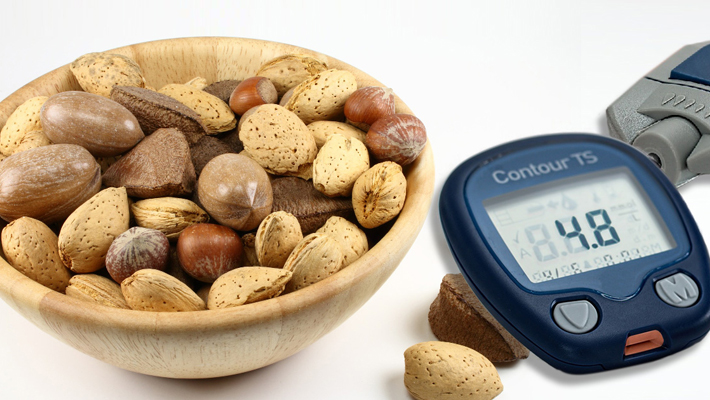
Two Ounces of Nuts per Day May Help pre-Diabetic and Diabetic Patients to Decrease their Fasting Glucose and Insulin Resistance
Credit Source: Woodenearth Nut consumption has beneficial effects on glucose and insulin levels, according to the latest researches studying the relationship between the consumption of
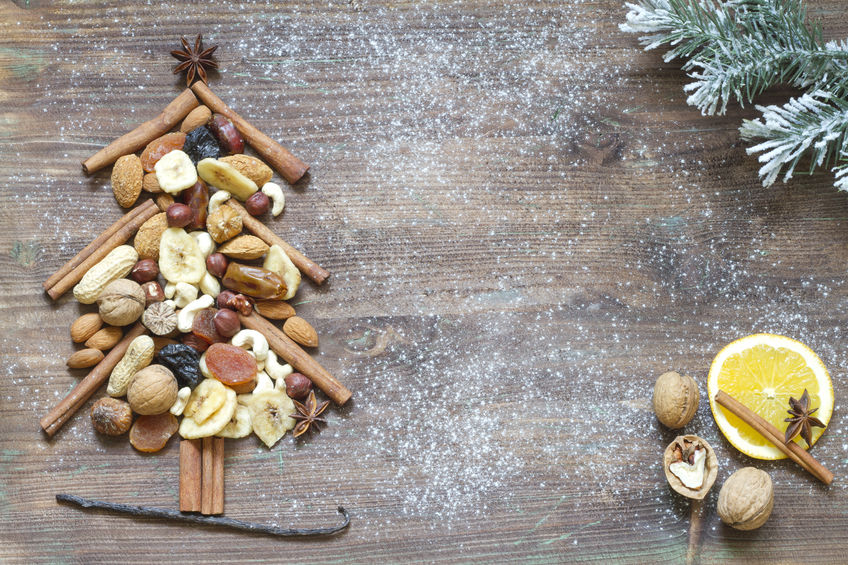
How to Make Your Christmas Servings Haute Cuisine? Add Nuts and Dried Fruits!
Ferran Adrià, Raül Balam, Neil Perry and Mert Seran, INC’s collaborators, explain some secrets about how to make exclusive dishes with nuts and dried fruits
Nuts for a Longer and Healthier Life
The are different studies concluding that a frequency nut consumption is inversely related to mortality risk. 2015 is drawing to an end and it is now
5 Reasons Why Nuts Are Good for the Heart
According to WHO, 17.5 million people died from cardiovascular diseases in 2012, being the first cause of death in developing and industrialized countries, representing 31% of global
Nuts, a Good Ally to Prevent Cancer
Cancer is considered one of the leading causes of mortality worldwide According to WHO, in 2012 there were 8.2 million of deaths related to cancer, and the
Say It With Nuts
Valentine’s Day has become one of the greatest expressions of how intense is the role played by the advertising industry in our life. Whether you have

“Hazelnuts and Pine Nuts Are Premium Ingredients in Our Cuisine”
Marc Piqué, ice cream chef and runner-up in the Gelato World Cup 2016 Marc Piqué is more than a busy man these days. Apart from running

6 reasons to include pistachios in your life
Were we to find an image to illustrate what pistachios mean, we would definitely choose the picture of a superhero. They don’t wear a cape,

“Dried Fruits Are Wonderful When Used in the Right Way, but They Come to Life With the Addition of Nuts”
Alex Guarnaschelli, Food Network Celebrity Chef As the daughter of a cookbook editor and an Italian and Chinese cooking enthusiast, Alex Guarnaschelli was surrounded by
Nuts to lower cholesterol
Cholesterol is a fatty substance present in each and every human cell. Despite its bad reputation, cholesterol is essential for a proper functioning of the
The role of nuts to help reduce the risk of diabetes
Diabetes is becoming a matter for global public health, according to a study published recently by the World Health Organization (WHO) in The Lancet. The

Space Health Research Comes Down to Earth
Outer space fascinates us – witness the popularity of the epic space adventures in the Star Wars series, and The Martian; or watching news coverage

“Great texture and depth of flavor are the best qualities of nuts and dried fruits in cuisine”
Christopher Kostow Chef at The Restaurant at Meadowood and INC Award for Excellence in Gastronomy 2016 Christopher Kostow, is a Chicago native, trained in kitchens far and
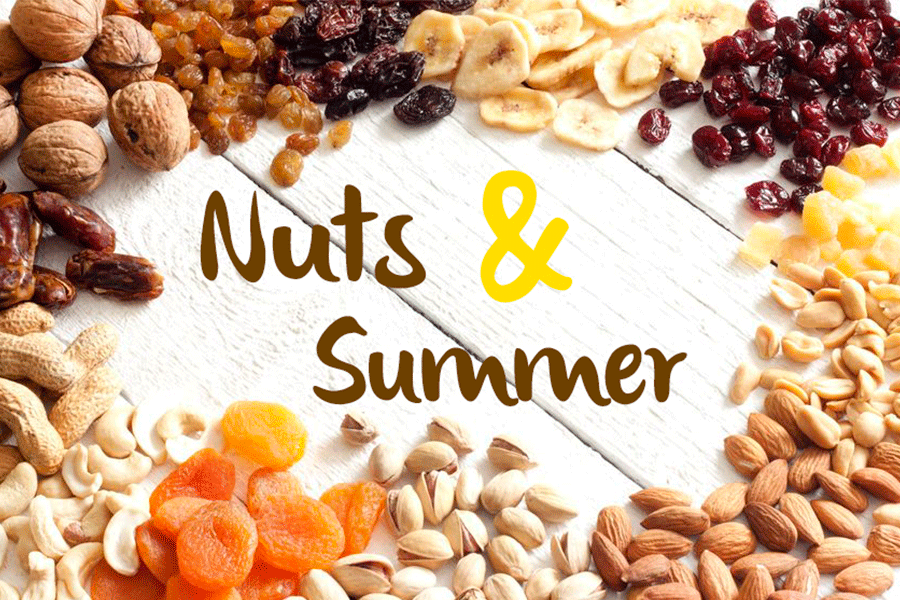
Nuts Are Everywhere This Summer
Summer time implies some minor changes in our daily habits. Menus, schedules and routines are somewhat altered by this wonderful season called summer. Nuts in
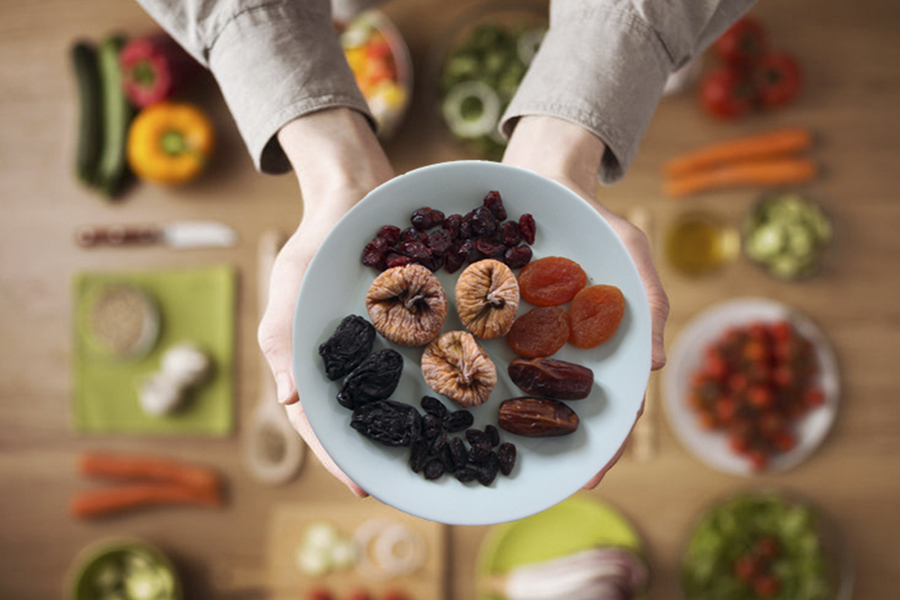
Dried Fruits: Dispelling the Sugar Myths
By Jennette Higgs, Consultant Dietitian. California Prune Board. Traditional dried fruits have historically been considered a nutritious snack choice in parts of the world where abundant
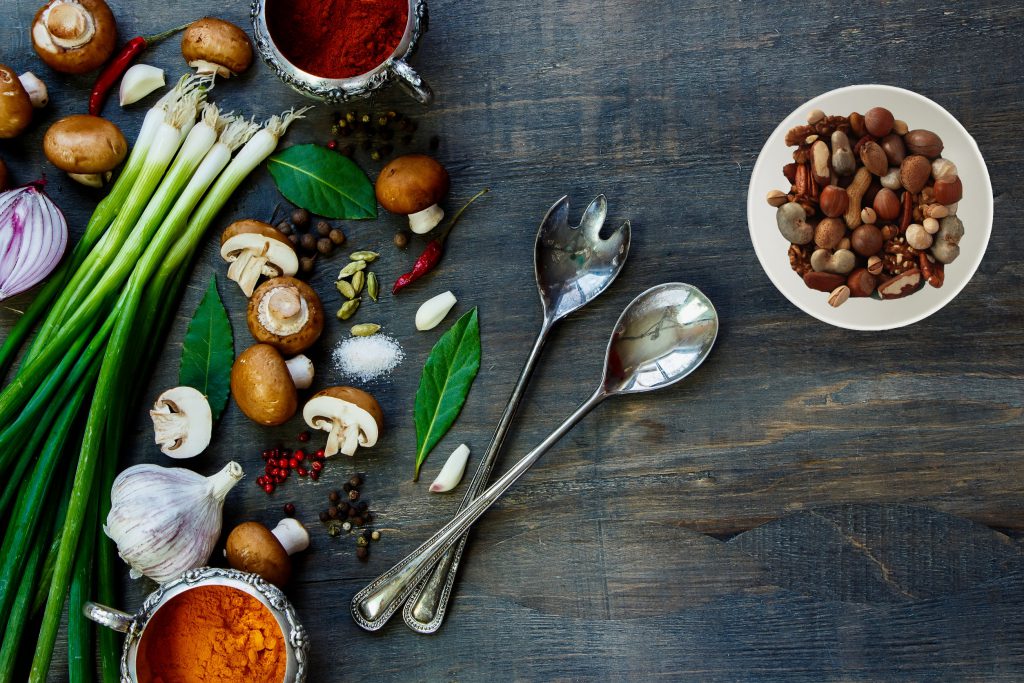
The Role of Nuts in a Vegan Diet
In recent years there has been a slow but continuous increase in attraction to vegetarian or even vegan diets, especially among younger individuals. They offer many
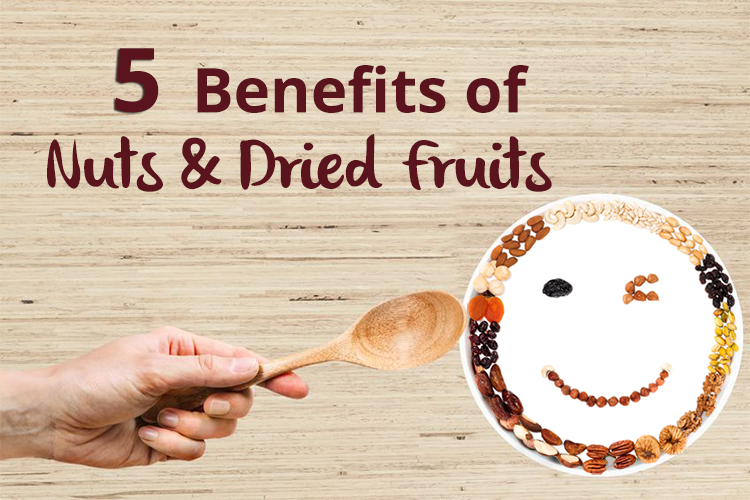
Five Benefits of Eating Nuts and Dried Fruits
Benefits of nuts and dried fruits may help to improve our health and to prevent some diseases when included regularly in eating habits. Because of
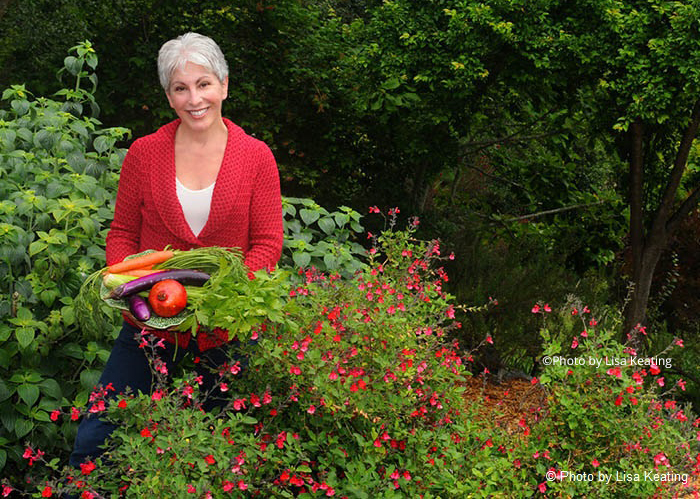
“When cooking without meat, or even with meat, nuts and dried fruits add a deep flavor and layers of texture plus good nutrients”
Mollie Katzen, cookbook author Mollie Katzen is the author of one of the best-selling vegetarian cookbook of all time (the famous Moosewood Cookbook). However, being
Nuts and Christmas, a Perfect Marriage
Christmas has become one of the most festive seasons of the year, especially in Western cultures. Beyond origins, there are many traditions associated with Christmas.
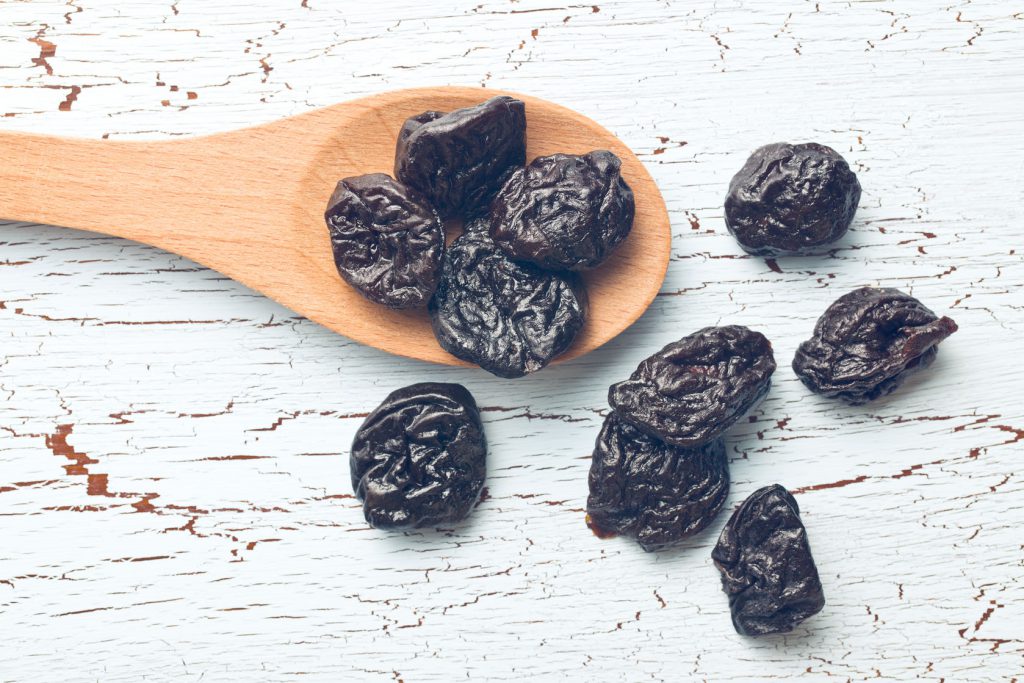
The Role of Prunes in Bone Health
As the demographic shift to an older population continues, a growing number of men and women will be diagnosed with osteoporosis and a search for
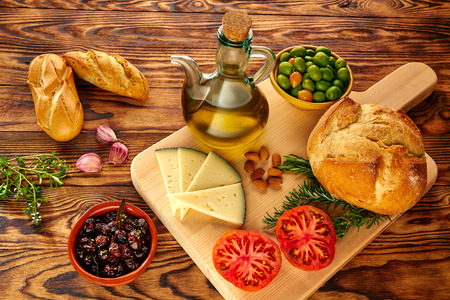
Nuts in the Mediterranean Diet
The Mediterranean Diet is much more than a food pattern. Besides its longstanding tradition and prized guidelines lies a valuable cultural heritage, a rich and

“Nuts and dried fruits are among the ingredients that we use most in our kitchen”
Enrico Crippa, Executive Chef at Piazza Duomo Enrico Crippa trained under some of the most renowned chefs in Europe. Christian Willer, Ghislaine Arabian, Antoine Westermann,

“The right mix of nuts and dried fruits is all you need to maintain a healthy lifestyle”
JP Singh, Executive Chef at Bukhara Chef J.P. Singh is the Executive Chef at Bukhara Restaurant (Delhi, India), winner of the 2017 INC Award for Excellence
Nut Presence in a Diet Doesn’t Mean a Higher Weight Gain
It has long been assumed popularly that nut consumption leads to a weight gain. Their taste and their undeniable gastronomic qualities are out of question, and so are their nutritional…

“In Cooking, You Can Innovate, Experiment, Search for Beauty… but Never Lose Taste”
Mitsuharu ‘Micha’ Tsumura, Chef at Maido Restaurant A Lima-born Peruvian, Nikkei ‘Micha’ Tsumura was encouraged by his father to turn his passion for cooking into a
Nuts and Endothelial Function: How to Reduce your Risk of Cardiovascular Disease
Prevention of cardiovascular disease (CVD) and other chronic diseases like diabetes has become a generalized concern in today’s society…

“My Only Dream Is to Improve What I Did the Previous Day”
Bittor Arginzoniz, Chef at Asador Etxebarri Bittor Arginzoniz (1960) was born and raised in the farming community of Axpe, a tiny village nestled among the
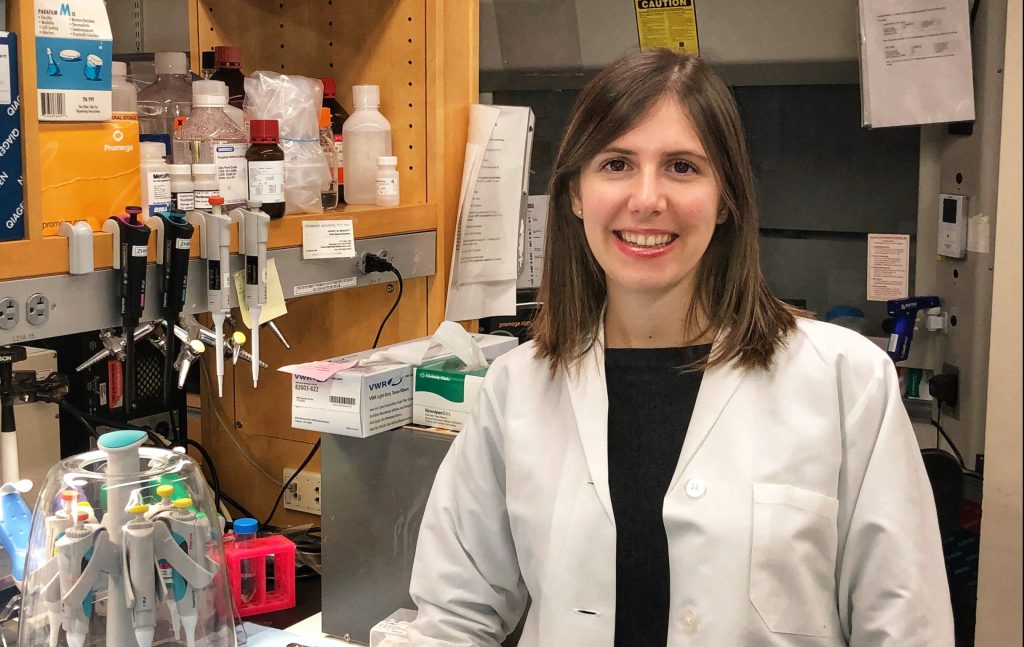
“My Recommendation is to Consume 4 to 7 Servings per Week of Any Type of Nuts as Part of a Healthy Diet”
Dr. Marta Guasch-Ferré, Research Fellow at the Department of Nutrition at Harvard T.H. Chan School of Public Health (US). She holds a PhD in Nutritional
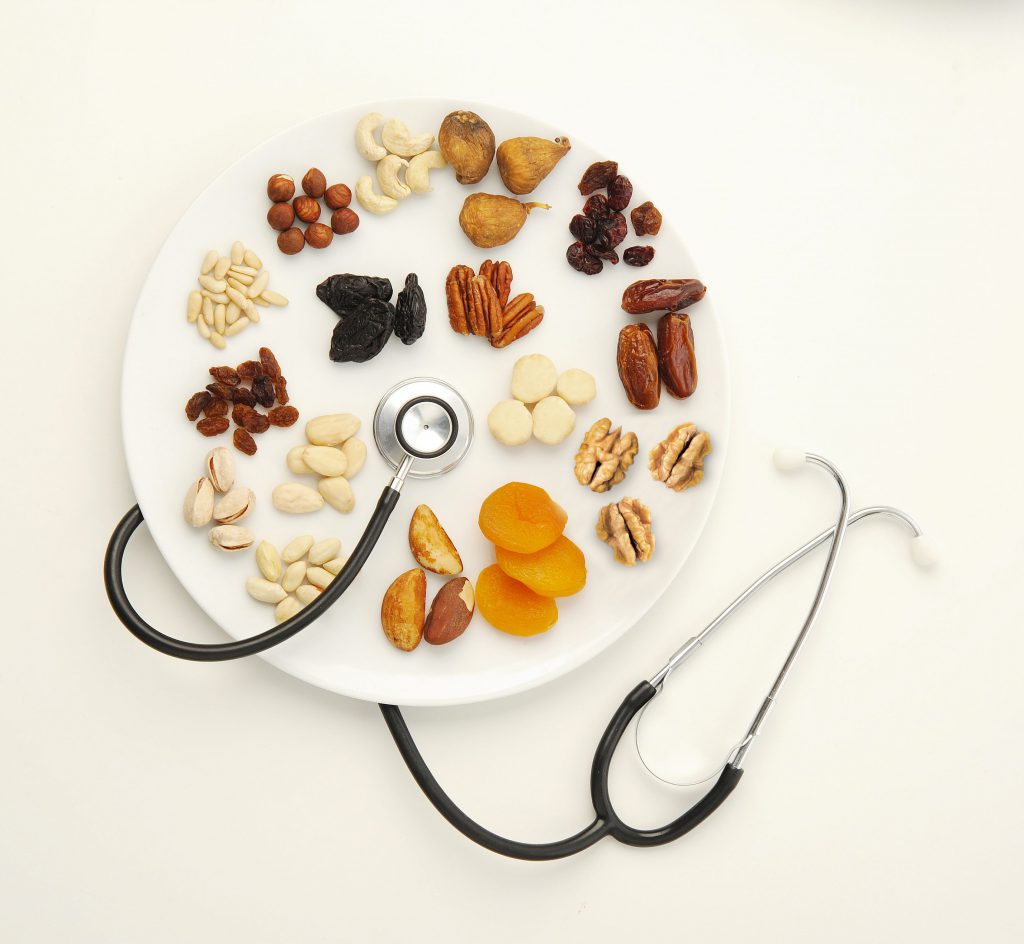
Want to Improve Your Intestinal Health? Eat Nuts and Dried Fruits!
A new recently study published in The Journal of Nutrition comes to the conclusion that eating walnuts is an adequate way of keeping “bad” cholesterol on track

“Nuts are in our blood, they are part of our DNA”
Joan Bosch, Chef at Can Bosch Restaurant (Cambrils, Spain). INC Award for Excellence in Gastronomy. Restaurant Can Bosch, in the Catalan coastal town of Cambrils,
The INC and Save The Children Join Forces to Empower the Nuts For A Healthier World Project
The INC and the global NGO Save Children have recently joined forces to empower the dissemination project Nuts For a Healthy World and help in

The Kick-Off to the Nuts For A Healthier World Campaign Has Already Reached €6,000
The INC and Save Children have joined forces to empower the dissemination project Nuts For a Healthier World and thanks to the collaboration of our members,
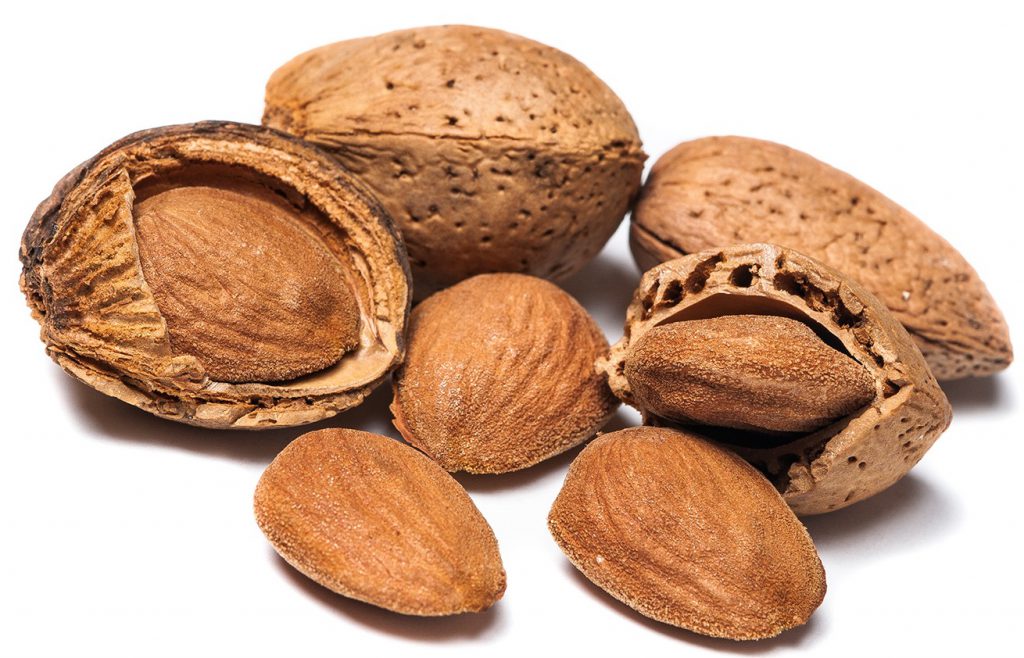
Eating Almonds May Help Keep Your Heart Healthy
Did you know that the oldest species of almonds ever discovered were found at the 780,000-year-old archeological site Gesher Benot Ya’aquov, in the Dead Sea

Update: Nuts For A Healthier World
The INC and Save Children joined forces to empower the dissemination project Nuts For a Healthier World and thanks to the collaboration of our members, the
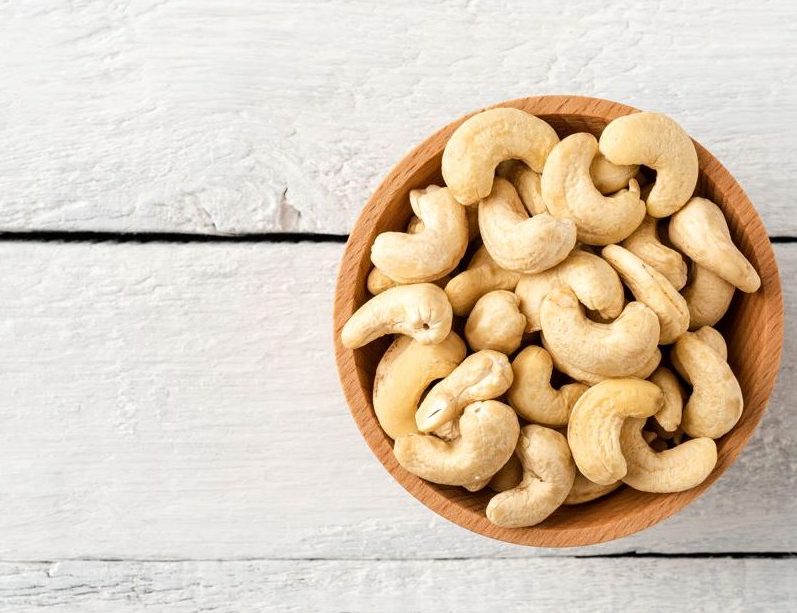
Cashews May Have 16% Less Calories Than Previously Thought
New scientific findings showed that the energy content of cashews -the calories- is 16% lower than what is typically stated on current food labels and databases in the United States, including the USDA National Nutrient Database for Standard References.
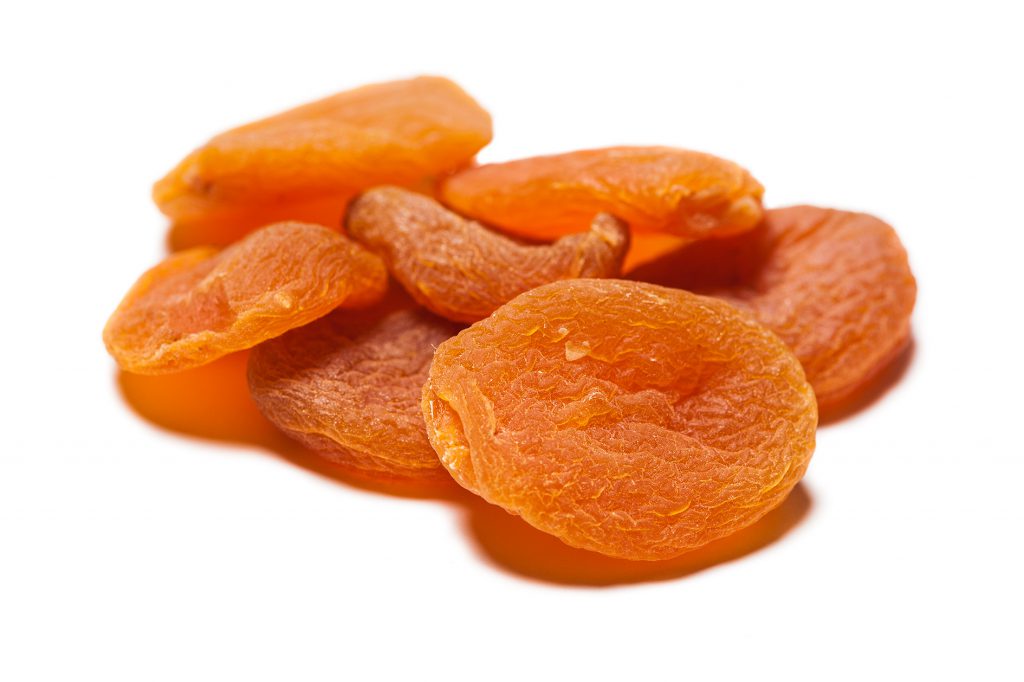
Let’s Learn More About… Dried Apricots
Did you know that, according to the Russian Botanist Vavilov, there are three places that could be the origin of dried apricots…

INC Talks to Leonor Espinosa, Head Chef at Leo Restaurant in Bogotá, Colombia
“I work with biologists, ethnobotanists and dendrologists to discover promising species that can be incorporated into dishes and condiments, trying always to conserve nature and
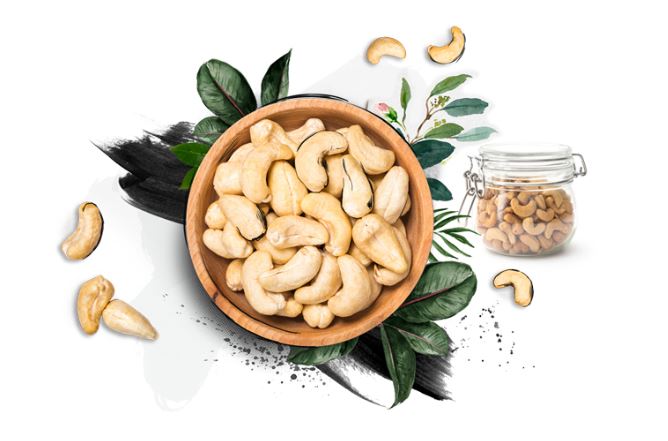
Discover More About Cashews
Cashews are high in vitamin K and minerals such as iron, magnesium, phosphorus, zinc, manganese and copper…
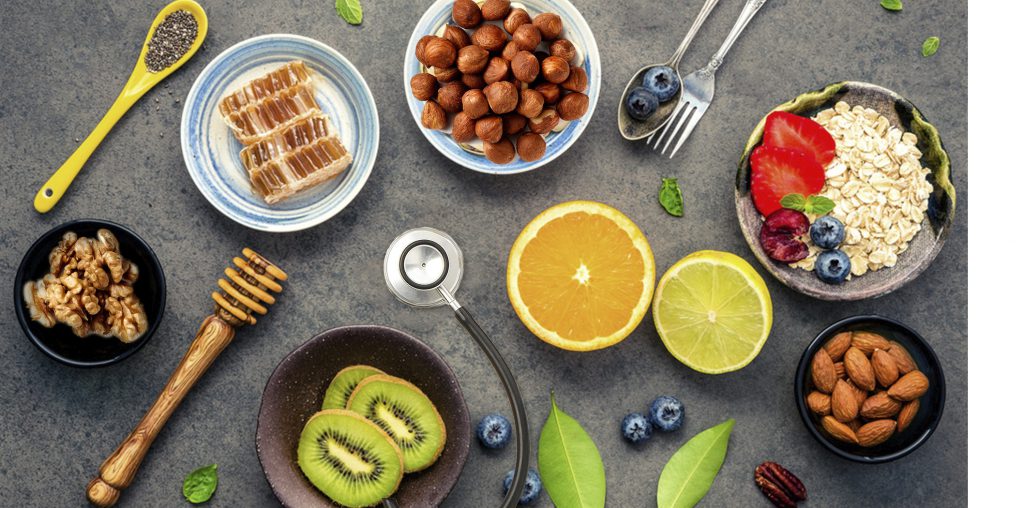
Nuts for a Healthier World’s Campaign from INC Raises €47,800 to Fight Against Child Malnutrition
Last year, the INC created a video campaign to raise awareness of the Project, and at the beginning of 2019, Save the Children joined forces and turned all video shares into physical aid…

The Potential Contribution of Traditional Dried Fruits to Public Health
This paper is based on a scientific workshop held in London, UK, at the Kings Fund, on June 7, 2018, to explore key scientific issues
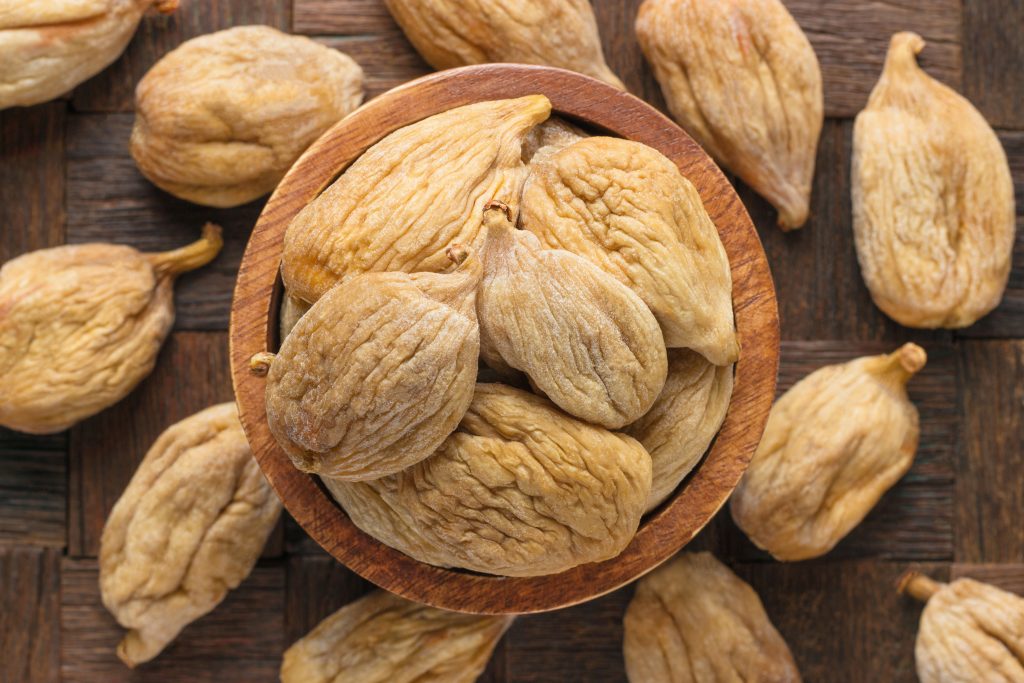
Dried Figs: Fascinating Facts You Never Knew About Them
The fruit is usually consumed fresh or in a preserved form, such as dried or as a paste….
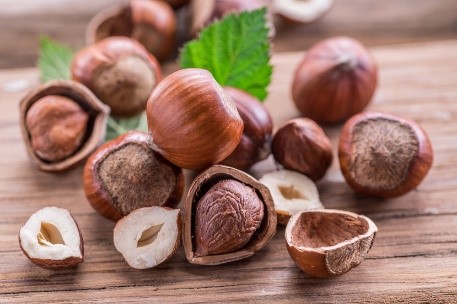
Learn History of Hazelnuts
Did you know that hazelnuts have been a feature of the human diet since prehistory? Hazelnuts are thought to have originated in Asia, from where
Suffering from Food Allergies? Here Is Your Must-Have Guide
What is food allergy? How common are allergies? Diagnosis, labeling, key aspects of allergen management and much more. The INC presents a new information resource:
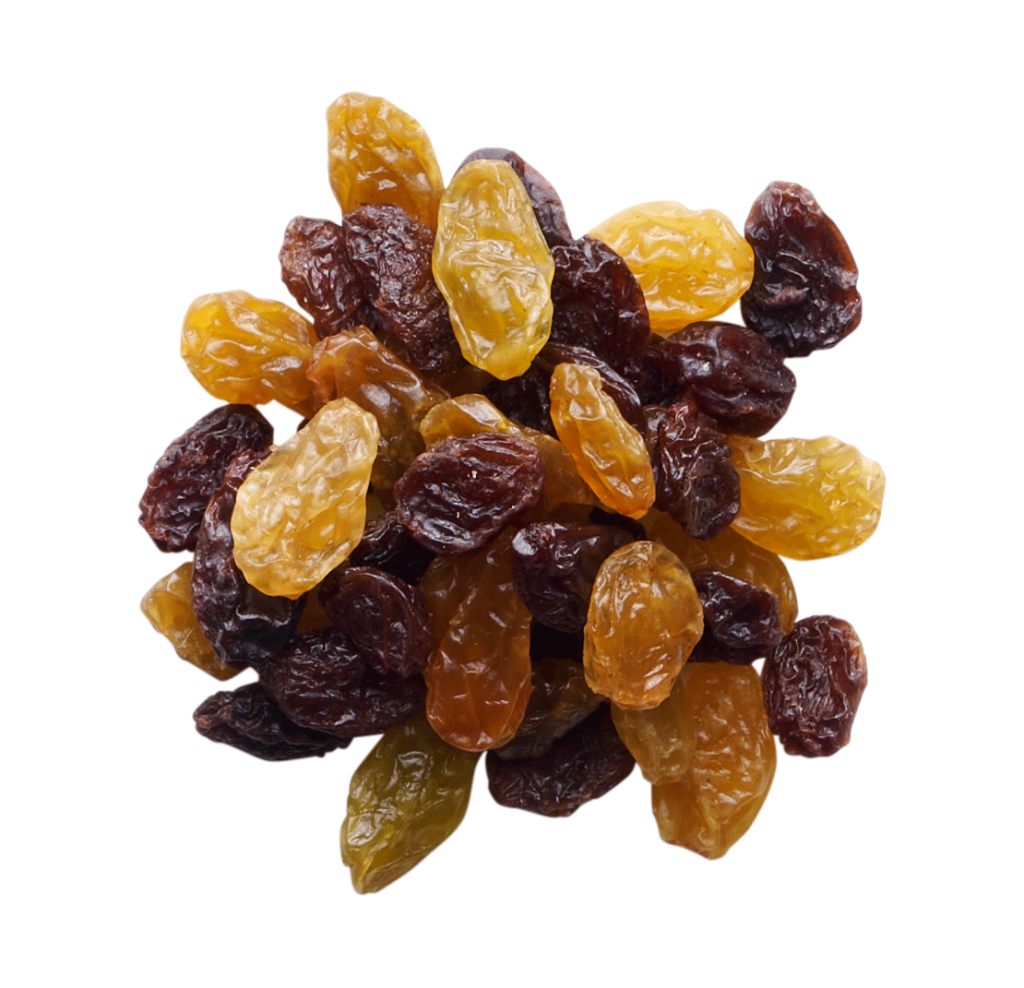
Potassium from Raisins May Help You Maintain A Normal Blood Pressure
Raisins are high in potassium, which contributes to the maintenance of normal blood pressure. Scientific studies have also seen an association between eating raisins and lower blood pressure…
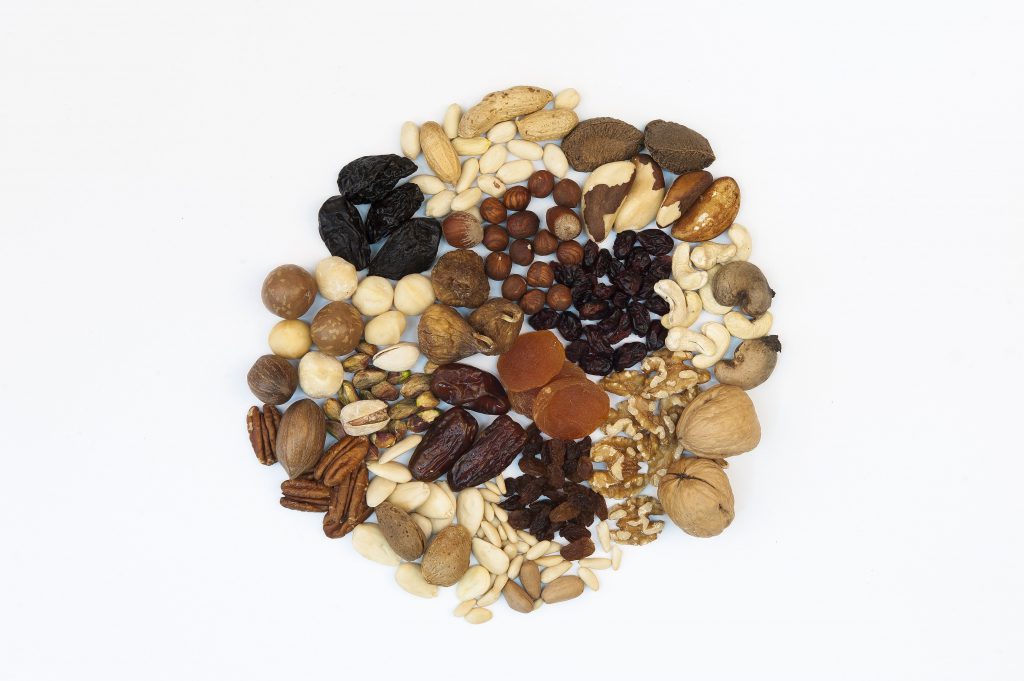
Get a Great Start to the Day with Nuts and Dried Fruits!
Nowadays, energy is turning into a key element within a contemporary health and wellness lifestyle. As consumers, we are starting to get tired of the

INC Talks to Andrew Roenbeck, Executive Chef at Boca Raton Resort & Club, Florida
“Nuts and dried fruits add the extra love to cuisine”. You were recognized with the INC Award for Excellence in Gastronomy during our Congress. Would you ever
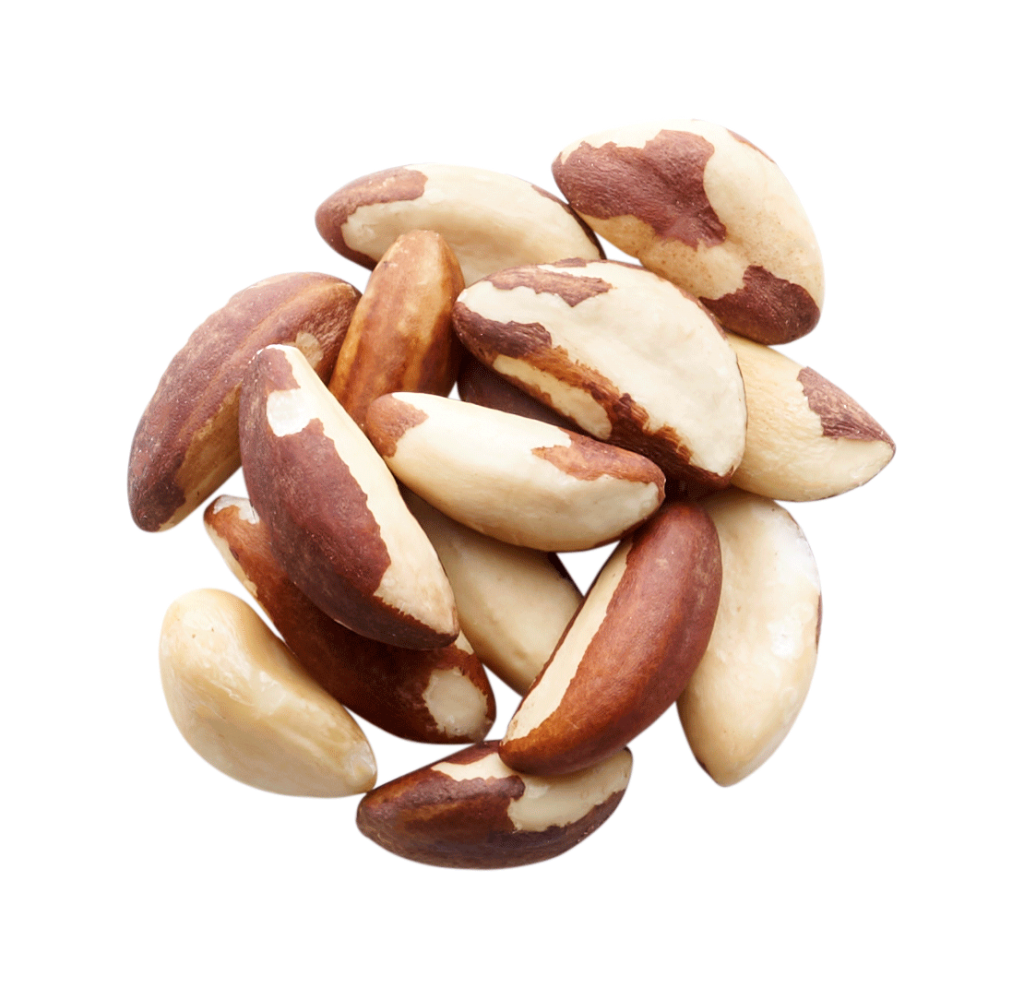
Want to Fight Against Aging? Brazil Nuts May Help
Did you know that the Amazonia (Brazil) nut is native to the Amazon and Negro river basins? The Brazil nut is the most economically important
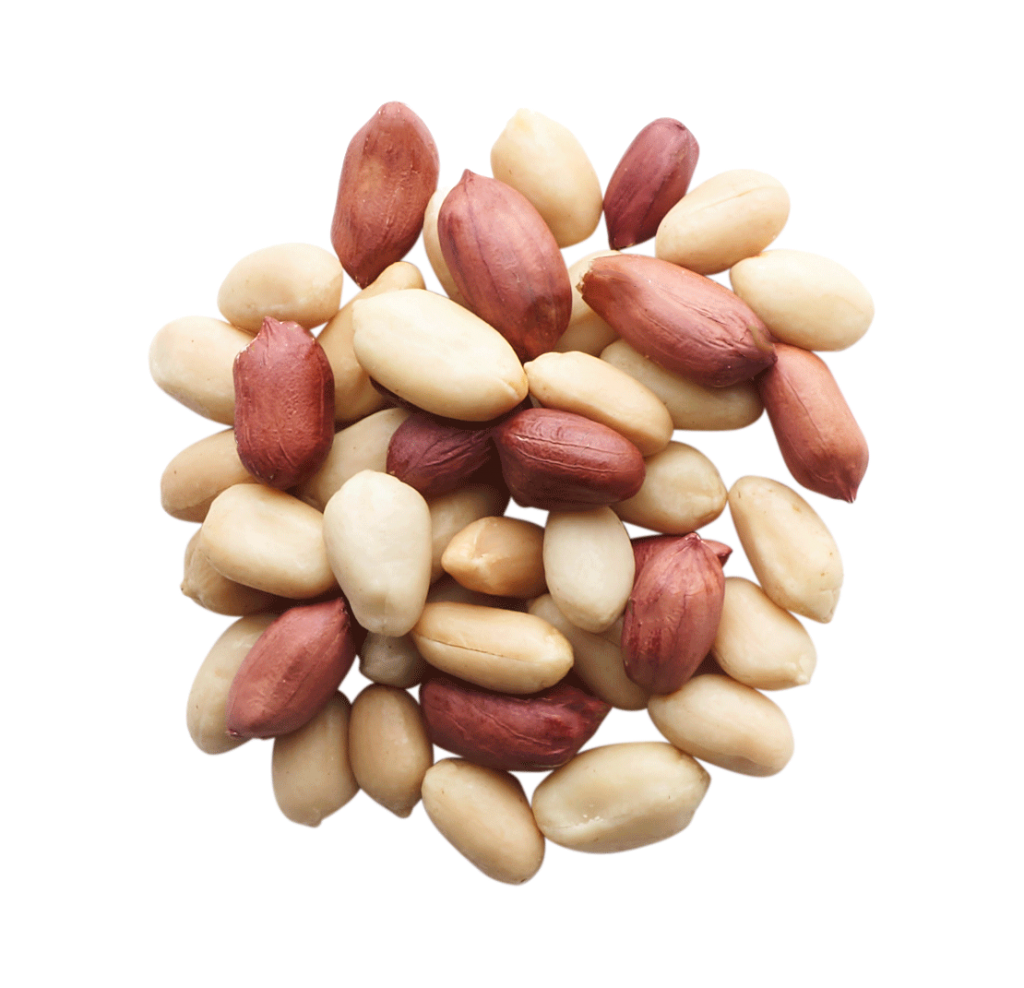
Feeling Tired and Fatigued? Eat Peanuts, They May Help You!
We live in a stressful world and sometimes you may feel tired and have a lack of energy. Peanuts may help you to fight the tiredness and fatigue of everyday life. How?…
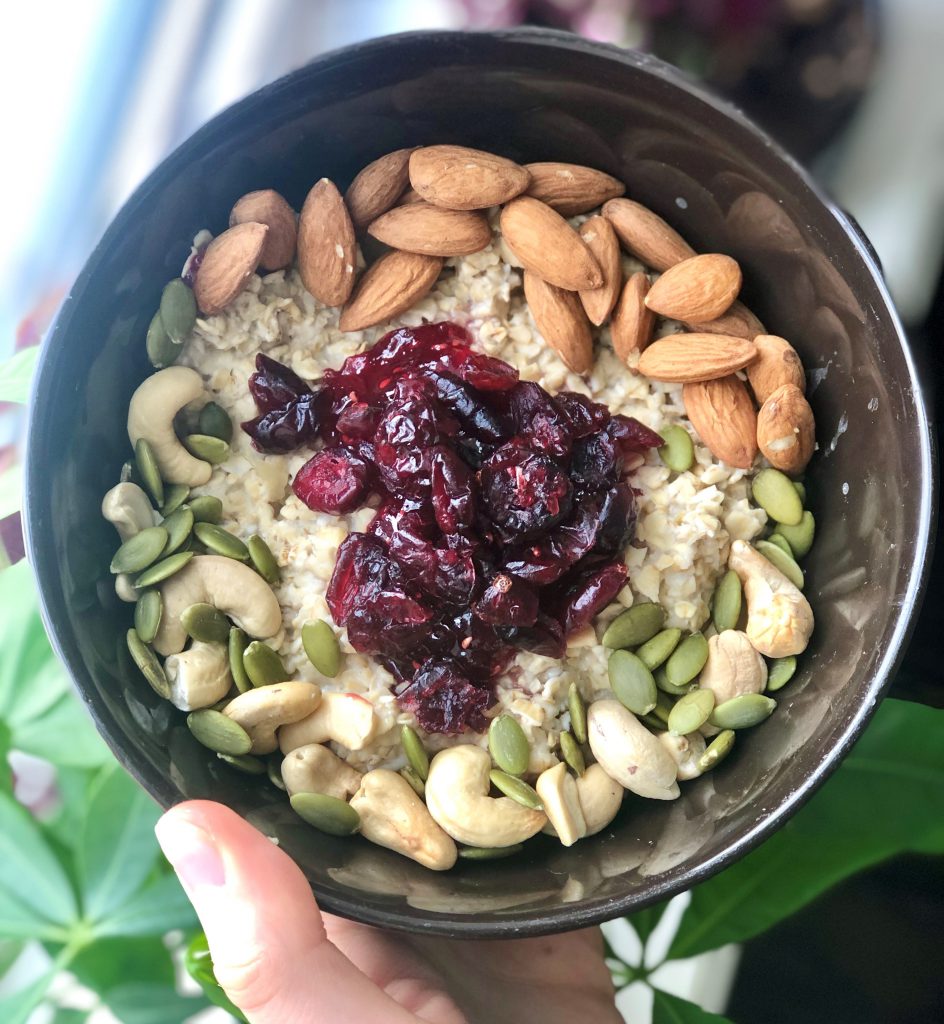
Go Nuts and Join the Nutfruit Power Challenge!
Wake up early, walk the dog, leave kids at school, go to the office, be as efficient as you can, go to the gym, meet
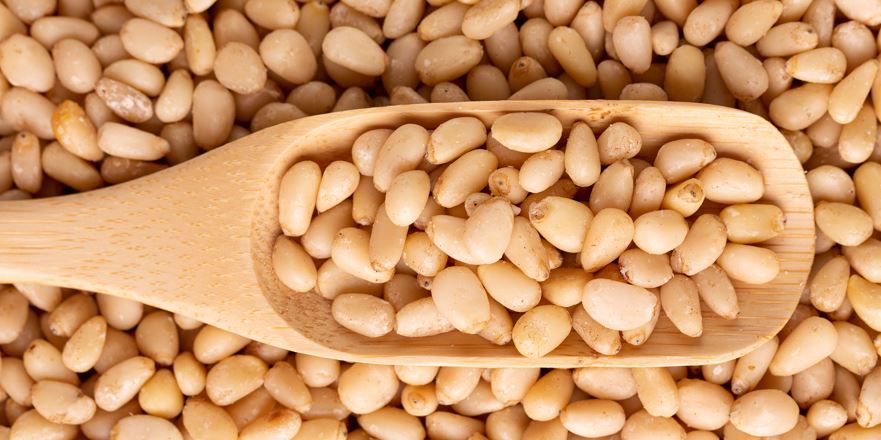
Discover the Health Benefits of Pine Nuts!
Low levels of vitamin K have been linked with low bone-mineral density, which may increase the risk of fractures. Did you know that pine nuts may help?…
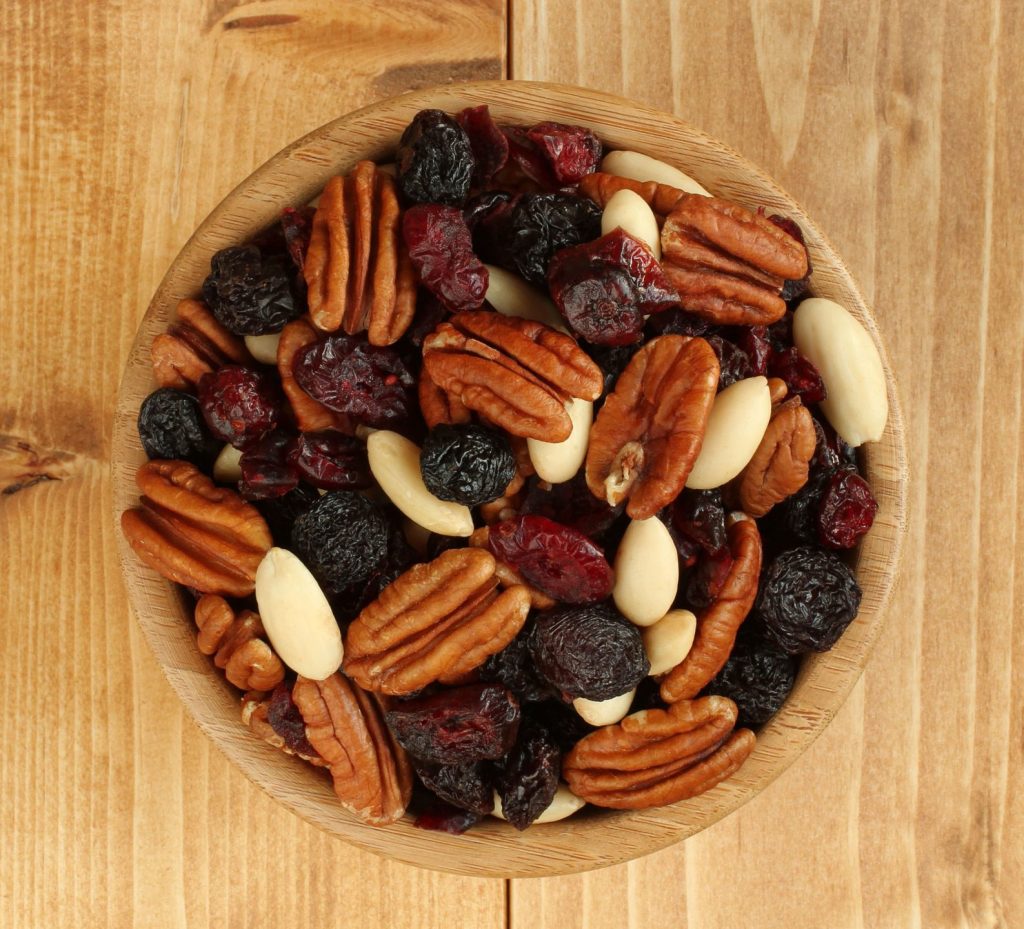
My Morning Routine During a Global Pandemic by Registered Dietitian, Nicole Osinga
Meet Nicole Osinga, registered dietitian, with the College of Dietitians of Ontario, holding a Bachelor’s and Master’s degree in Human Nutrition. Nicole aims to promote the
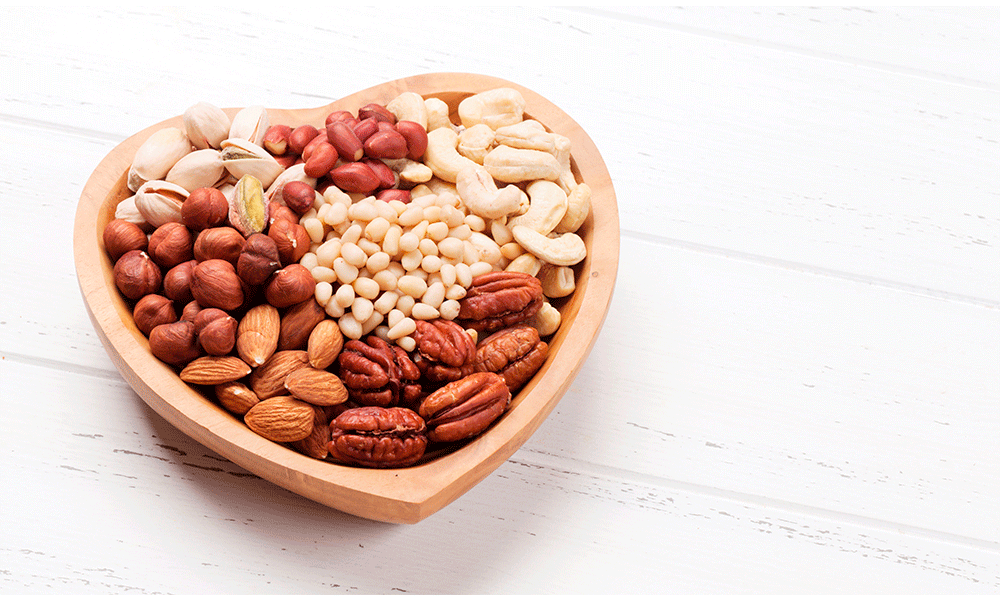
5 Reasons to Eat Nuts by Nutritionist and Dietitian, Carlos Rios
Nuts are a food group that includes almonds, Brazil nuts, cashews, hazelnuts, macadamias, pecans, pine nuts, pistachios, peanuts and walnuts. Due to their particular high
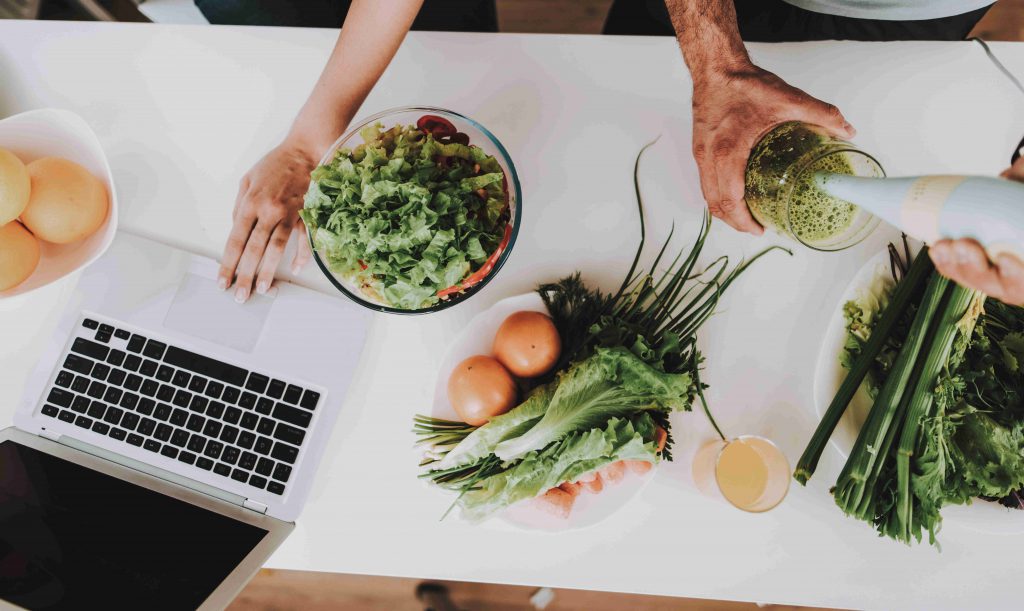
Nutfruit News Round-Up – How to Strengthen Your Immune System
Welcome to the first edition of the Monthly Nutfruit News Round-up. Each month we will bring you a selection of some of the top articles
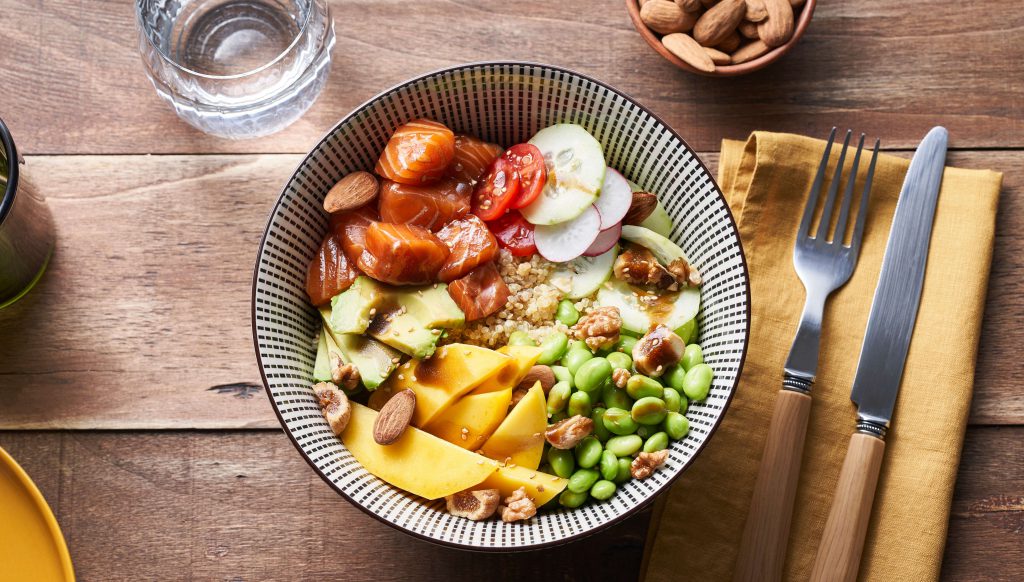
How to Make the Perfect Buddha Bowl
As plant-based eating enters the mainstream there is one type of dish that is becoming seemingly popular, the Buddha Bowl. Full of mainly plant-based nutritious goodness, the
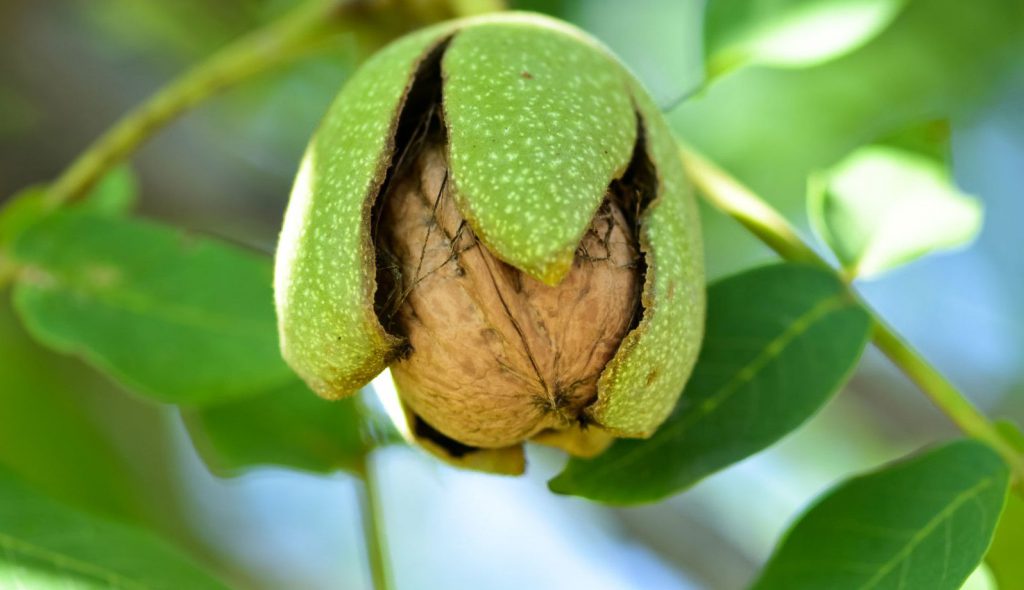
Summer Shadow and the Walnut Tree by Chef, Ximena Sáenz
Chef and designer, Ximena Sáenz studied at the Instituto Argentino de Gastronomía en Buenos Aires. After working in publicity for a few years her passion for

INC Talks with Emmy Award-winning Chef, Lidia Bastianich
Emmy award-winning public television host, cookbook author, and restaurateur, Lidia Bastianich is the owner/co-owner of three acclaimed New York City restaurants – Felidia, Becco and Del
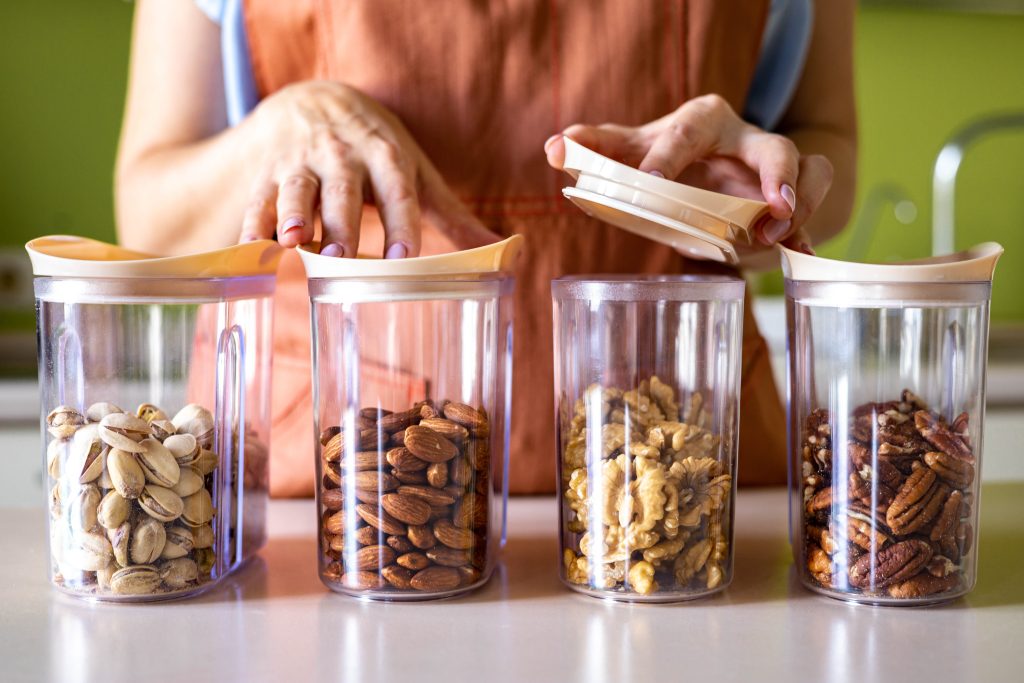
How to Store Nuts and Dried Fruits
Nuts and dried fruits are a great food to have at hand. They are incredibly good for us and are a great source of protein
Nutfruit News Round-Up: The Importance of a Healthy Diet When Working From Home
Eating well is always important, and now more than ever in the midst of the COVID-19 pandemic. A nutritious diet can not only help support
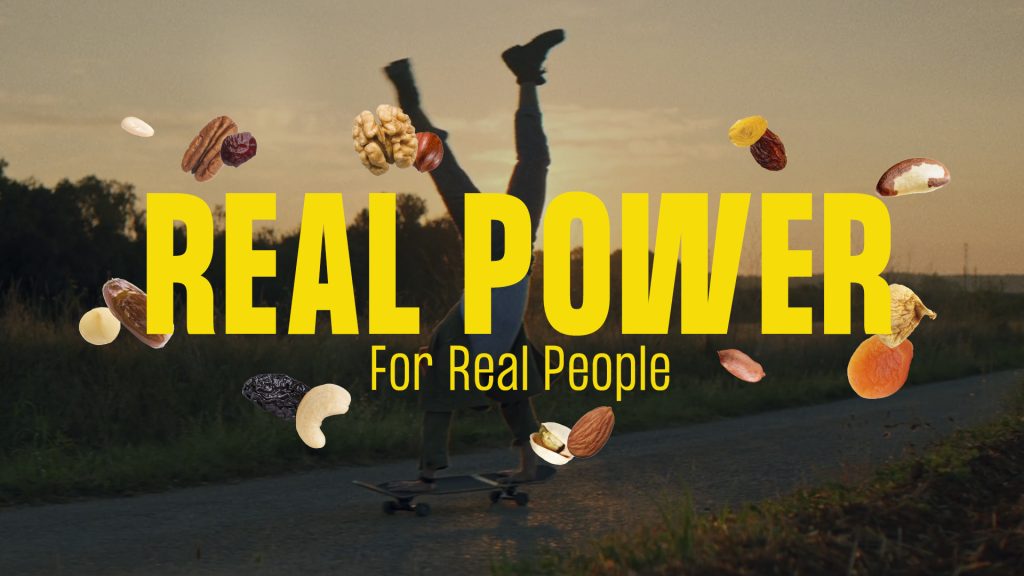
The Real Power for Real People Campaign Has Launched
When we feel good from the inside out, there is nothing that can bring us down. We are immune to everything! Eating nuts and dried
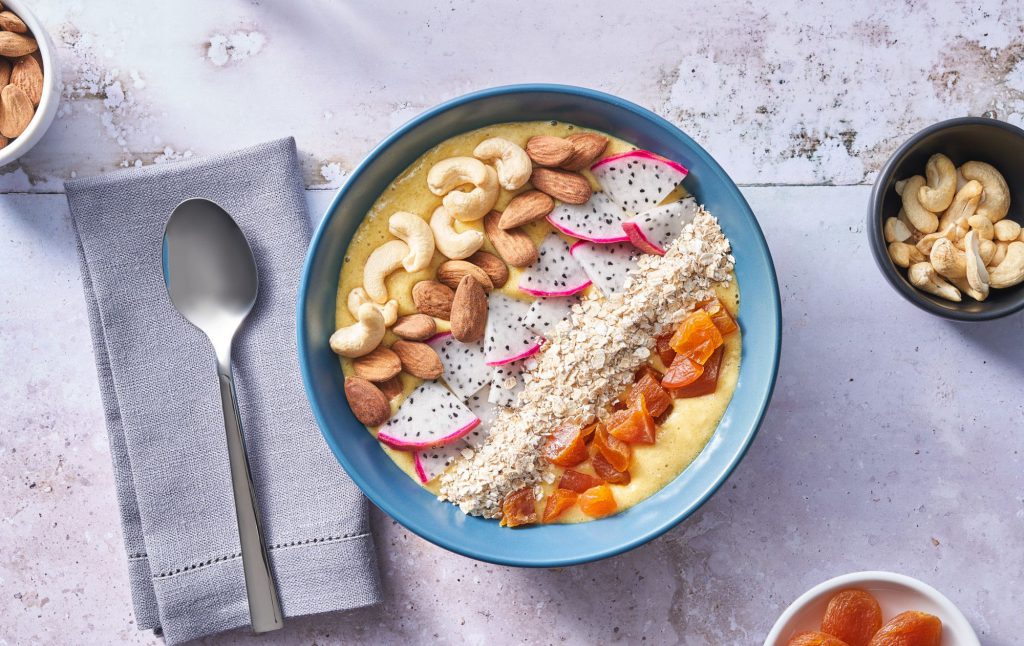
What Food Trends Will We Be Following Next
Recently we conducted a consumer trends research to see what trends we’ll be following over the next few years. The research showed that within the
The Sweet Trend Everyone’s Loving: Baking with Dates
You might have seen the term “fibremaxxing” trending online. Sounds like a fad? Actually, it’s a concept nutritionists have been shouting about for years: eat more fibre. And yes—your body will thank you! 😄
Fibermaxxing: Why Everyone’s Talking About Fiber
You might have seen the term “fibremaxxing” trending online. Sounds like a fad? Actually, it’s a concept nutritionists have been shouting about for years: eat more fibre. And yes—your body will thank you! 😄
Holiday Fuel: Why Nuts & Dried Fruit Add Cheer to Every Occasion
Ever hit that mid-afternoon slump and feel like your brain just screams, “No more!”? 😵💫 Don’t worry, we’ve all been there.
Nuts & Dried Fruits Snacks: Real Energy for Your Day
Ever hit that mid-afternoon slump and feel like your brain just screams, “No more!”? 😵💫 Don’t worry, we’ve all been there.
Nutfruit Smoothies: Delicious, Nutty, and Nourishing in Every Sip
The Nutfruit Smoothie is a creative and delicious idea that transforms wholesome fruits, vegetables, and nuts into colorful, nutrient-packed drinks!
Salad Cups: Fresh, Crunchy & Nutty Goodness in Every Bite
The Salad Cup is a creative and delicious idea that transforms healthy ingredients into elegant bites served in waffle cones 🍦. Each version combines surprising
Your New Obsession: DIY Nutfruit Ice Cream That Actually Slaps 🍦✨
Okay, besties – let’s talk about the ultimate glow-up for your perfect snack. We’re about to dive into some homemade nutfruit ice cream recipes that
Mindful Eating with Nuts & Dried Fruits
In today’s fast-paced world, we’re often eating on autopilot—scrolling through our phones 📱, binge-watching shows 📺, or rushing through meals without even noticing the flavors.
Why Nuts Are Essential in a Plant-Based Diet: Your #PlantBasedPower Move!🌱
Looking to power up your plant-based meals? Nuts 🥜 are more than just snacks—they’re a nutritional powerhouse🍇! From boosting energy to supporting muscle health, discover
Simple Steps to Reduce Food Waste at Home Today with Nuts and Dried Fruits!🥗♻️
Reducing food waste is essential for a more sustainable future🌍. Nuts 🥜 and dried fruits 🍇 are versatile, nutritious, and long-lasting pantry staples that can
A Happy End to the Year: Celebrate with Nuts and Dried Fruits
As the year winds down, it’s an opportunity to enjoy the season while making mindful choices. With the holiday bustle in full swing, nuts and
Fueling Your Gym Routine: The Power of Nuts & Dried Fruits
Natural Fuel for Active Lifestyles🏋️♂️: Incorporating nuts and dried fruits into your daily fitness routine 🏋️♂️ offers a delicious way to boost your health and
Boost Your Productivity with Simple, Energizing Nut and Dried Fruit Snacks and Recipes
Recharge your energy for work or study with simple, quick recipes and snacks you can make at home. These delicious and healthy options will help
Discover the Nut Tunes Campaign: Groove with Gen Z’s Favorite Snacks!
Hey snack lovers! If you’re into healthy and delicious snacks like nuts and dried fruits, we’ve got exciting news for you. Introducing the Nut Tunes
Nuts and Dried Fruits: The Healthy Snack Revolutionizing the Diet
In this article, we explore why nuts and dried fruits are becoming the go-to snacks for Gen Z and how they align perfectly with their
Dare to discover fun facts about Pistachios?
Happy Pistachio Day! Each year, 26 February is dedicated to this nut, which punches above its weight when it comes to taste and nutrition! Pistachio lovers rejoice as they eat their favourite nut all day long.
How to Make Your Nut Drink in 3 Easy Steps
As you may have heard, the popularity of plant-based diets has surged in recent years, and the trend shows no signs of slowing down. This
Tips to Include Nuts and Dried Fruits Into Your Diet
Have you ever heard the expression you are what you eat? Well, in some sense, it’s true. Nutrients from the foods we eat provide the foundation of function and wholeness of all the cells in our body, which is why it is important that we try to maintain a healthy diet and lifestyle.
Healthy Snacking at the Wimbledon Tennis Tournament with Nuts and Dried Fruits
The Wimbledon tennis tournament is back, which means that many of you are looking forward to attending the match with your family and friends (or rivals 😉)
Reasons to Eat Nuts and Dried Fruits on a Daily Basis!
During April try adding nuts and dried fruits into your diet on a daily basis and let us know how you feel! In this article, we will share with you some key moments to eat nuts and dried fruits, and share what health benefits they can bring to your life.
Different ways of eating roast nuts
This month we want to make your life easier, do you want to learn how to roast nuts? You’ve been looking forward to it, haven’t you? Here we go!
Plant-based Eating and Healthy Recipes with Nuts
New year, new you! Sound familiar? How many of us have started off the year with that healthy eating plan fully loaded and ready to go?
Healthy World Cup Snacking with Nuts & Dried Fruits
Another World Cup is here, which means a number of you will be getting organized to watch the games with family and friends (or rivals), with an assortment of snacks ready to be served. But are nuts and dried fruits in that mix?
A Plant-Based Diet and the Role of Nuts and Dried Fruits
Plant-based diets have been on the rise for a number of years now. Not only are we becoming more self-aware about what we are putting
Why Snacking on Nuts and Dried Fruits May Benefit Your Health
In the past, the concept of snacking has been perceived as negative involving over indulgent “treats” however, that doesn’t have to be the case. Scientific
Common Myths About Nuts and Dried Fruits
Nuts and dried fruits have been in our diets for a long time and, in recent years their health benefits and the importance of adding
Should you go plant based? By Dietitian & Nutritionist, Rebecca Gawthorne
What are your goals for the new year? If you are wanting to step up your health game, live longer and even help the planet,
The Impact of Nuts and Dried Fruits on Your Digestive Health
Did you know that human gastrointestinal microbiota, also known as gut flora or gut microbiota, is the human body’s largest population of microorganisms that live
How to Create Routine and Structure When the World Feels Out of Control by Registered Dietitian Nicole Osinga
It’s hard to believe that we have been in a Global Pandemic for about a year now. This situation has not only impacted our health,
The Importance of Omega 3 and the Benefits of Nuts by Nutritionist, Carlos Rios
Extensive evidence shows us that an adequate intake of omega 3 from plant foods in the form of alpha-linolenic acid or ALA (found in nuts
Debunking the Myths of a Plant-Based Diet
Plant-forward eating has been at the forefront of conversation surrounding a healthy and sustainable way of living for a number of years now and, it
Want to Have a Better Brain Health? Diet is Key! (And Nuts Too)
Lifespan has significantly increased in modern society. However, brain diseases are unfortunately on the rise. That includes neurodegenerative disorders such as Alzheimer’s disease, which is
Add Nuts to Your Diet and you Could Help to Improve the Number and Quality of Sperm
The good news is that not everything is down to genetics – as scientific evidence shows that diet also plays a prominent role in male fertility.
Do You Want to Reduce Your Blood Sugar Levels? Dried Fruits Might Be Your Solution
Despite educational efforts and social awareness, the consumption of fruits and vegetables is lower than recommended by health agencies.
Quick Nutfruit Tips: Learn How to Rehydrate Dried Fruit
Looking for a new taste to add to your dishes? Rehydrate your favorite dried fruits to add the moisture back in. By doing this not only will you enhance their flavor but also soften their texture.
Want to Prevent Strokes? Then… Eat Walnuts!
Walnuts are high in polyunsaturated fat, fiber, thiamin, vitamin B6, and minerals such as magnesium, phosphorus, zinc, copper and manganese1,2…
Dried Cranberries May Help Prevent Urinary Tract Infections!
Urinary tract infections are one of the most common bacterial infections, affecting nearly 150 million people every year, especially women. Prevention is important and dried cranberries may help us. Want to know how?
Healthy Snack: Spiced Roasted Cashews
Looking for a healthy and nutritious snack to take with you when you’re on the go? Look no further. Take cashews! Did you know that cashews are high in vitamin K and minerals such as…
Eat Pecans! Your Heart Will Thank You for It
Pecans are high in thiamin, also known as vitamin B1, which contributes to the normal function of the heart. They are also high in fiber, minerals such as…
Dates: A Friend for Your Digestive Health
Constipation is a condition in which there is difficulty in emptying the bowels. It could be a chronic condition for many people all over the world and following a low-fiber diet may be one of the causes..
Are Your Blood Sugar Levels High? Eating Pistachios May Help!
Are your blood sugar levels on your mind? The journey to maintaining optimal levels is a crucial aspect of overall well-being.
Nuts for Valentine’s Day… Or Any Day Really!
Valentine’s Day is once again around the corner and although known as the day of love sometimes, with all the publicity and pressure surrounding it
Do You Want Better Brain Health? Go Nuts!
Eating nuts has long been associated with having positive effects on our health, especially our heart health. But, did you know that higher nut consumption could also be the key to better cognitive function in the elderly?
Want to Reduce Bad Cholesterol? Macadamias May Help You!
An unhealthy diet, high in saturated fat, sugar, salt and processed foods may affect your health, especially your bad cholesterol levels…
Back to “School” Healthy Meal Ideas
For many, September means the end of the holidays and the return to “reality”. It’s back to work for the adults and back to school
This Valentine’s Day Show Your Heart You Love It
Our heart’s work is never done beat by beat, second by second it never rests. Heart disease is still one of the leading causes of
Tips for a Healthy New Year
Holiday season generally means that healthy thoughts go out of the window (at least that’s true for us) and we enter into January raring to
How to Make Your Christmas Servings Haute Cuisine? Add Nuts and Dried Fruits!
Ferran Adrià, Raül Balam, Neil Perry and Mert Seran, INC’s collaborators, explain some secrets about how to make exclusive dishes with nuts and dried fruits
Nuts for a Longer and Healthier Life
The are different studies concluding that a frequency nut consumption is inversely related to mortality risk. 2015 is drawing to an end and it is now
5 Reasons Why Nuts Are Good for the Heart
According to WHO, 17.5 million people died from cardiovascular diseases in 2012, being the first cause of death in developing and industrialized countries, representing 31% of global
Nuts, a Good Ally to Prevent Cancer
Cancer is considered one of the leading causes of mortality worldwide According to WHO, in 2012 there were 8.2 million of deaths related to cancer, and the
Say It With Nuts
Valentine’s Day has become one of the greatest expressions of how intense is the role played by the advertising industry in our life. Whether you have
6 reasons to include pistachios in your life
Were we to find an image to illustrate what pistachios mean, we would definitely choose the picture of a superhero. They don’t wear a cape,
Space Health Research Comes Down to Earth
Outer space fascinates us – witness the popularity of the epic space adventures in the Star Wars series, and The Martian; or watching news coverage
Nuts Are Everywhere This Summer
Summer time implies some minor changes in our daily habits. Menus, schedules and routines are somewhat altered by this wonderful season called summer. Nuts in
Dried Fruits: Dispelling the Sugar Myths
By Jennette Higgs, Consultant Dietitian. California Prune Board. Traditional dried fruits have historically been considered a nutritious snack choice in parts of the world where abundant
The Role of Nuts in a Vegan Diet
In recent years there has been a slow but continuous increase in attraction to vegetarian or even vegan diets, especially among younger individuals. They offer many
Five Benefits of Eating Nuts and Dried Fruits
Benefits of nuts and dried fruits may help to improve our health and to prevent some diseases when included regularly in eating habits. Because of
Nuts and Christmas, a Perfect Marriage
Christmas has become one of the most festive seasons of the year, especially in Western cultures. Beyond origins, there are many traditions associated with Christmas.
Nuts in the Mediterranean Diet
The Mediterranean Diet is much more than a food pattern. Besides its longstanding tradition and prized guidelines lies a valuable cultural heritage, a rich and
“The right mix of nuts and dried fruits is all you need to maintain a healthy lifestyle”
JP Singh, Executive Chef at Bukhara Chef J.P. Singh is the Executive Chef at Bukhara Restaurant (Delhi, India), winner of the 2017 INC Award for Excellence
Nut Presence in a Diet Doesn’t Mean a Higher Weight Gain
It has long been assumed popularly that nut consumption leads to a weight gain. Their taste and their undeniable gastronomic qualities are out of question, and so are their nutritional…
Nuts and Endothelial Function: How to Reduce your Risk of Cardiovascular Disease
Prevention of cardiovascular disease (CVD) and other chronic diseases like diabetes has become a generalized concern in today’s society…
“My Recommendation is to Consume 4 to 7 Servings per Week of Any Type of Nuts as Part of a Healthy Diet”
Dr. Marta Guasch-Ferré, Research Fellow at the Department of Nutrition at Harvard T.H. Chan School of Public Health (US). She holds a PhD in Nutritional
Want to Improve Your Intestinal Health? Eat Nuts and Dried Fruits!
A new recently study published in The Journal of Nutrition comes to the conclusion that eating walnuts is an adequate way of keeping “bad” cholesterol on track
The INC and Save The Children Join Forces to Empower the Nuts For A Healthier World Project
The INC and the global NGO Save Children have recently joined forces to empower the dissemination project Nuts For a Healthy World and help in
The Kick-Off to the Nuts For A Healthier World Campaign Has Already Reached €6,000
The INC and Save Children have joined forces to empower the dissemination project Nuts For a Healthier World and thanks to the collaboration of our members,
Eating Almonds May Help Keep Your Heart Healthy
Did you know that the oldest species of almonds ever discovered were found at the 780,000-year-old archeological site Gesher Benot Ya’aquov, in the Dead Sea
Update: Nuts For A Healthier World
The INC and Save Children joined forces to empower the dissemination project Nuts For a Healthier World and thanks to the collaboration of our members, the
Cashews May Have 16% Less Calories Than Previously Thought
New scientific findings showed that the energy content of cashews -the calories- is 16% lower than what is typically stated on current food labels and databases in the United States, including the USDA National Nutrient Database for Standard References.
Let’s Learn More About… Dried Apricots
Did you know that, according to the Russian Botanist Vavilov, there are three places that could be the origin of dried apricots…
Discover More About Cashews
Cashews are high in vitamin K and minerals such as iron, magnesium, phosphorus, zinc, manganese and copper…
Nuts for a Healthier World’s Campaign from INC Raises €47,800 to Fight Against Child Malnutrition
Last year, the INC created a video campaign to raise awareness of the Project, and at the beginning of 2019, Save the Children joined forces and turned all video shares into physical aid…
Dried Figs: Fascinating Facts You Never Knew About Them
The fruit is usually consumed fresh or in a preserved form, such as dried or as a paste….
Learn History of Hazelnuts
Did you know that hazelnuts have been a feature of the human diet since prehistory? Hazelnuts are thought to have originated in Asia, from where
Suffering from Food Allergies? Here Is Your Must-Have Guide
What is food allergy? How common are allergies? Diagnosis, labeling, key aspects of allergen management and much more. The INC presents a new information resource:
Potassium from Raisins May Help You Maintain A Normal Blood Pressure
Raisins are high in potassium, which contributes to the maintenance of normal blood pressure. Scientific studies have also seen an association between eating raisins and lower blood pressure…
Get a Great Start to the Day with Nuts and Dried Fruits!
Nowadays, energy is turning into a key element within a contemporary health and wellness lifestyle. As consumers, we are starting to get tired of the
Want to Fight Against Aging? Brazil Nuts May Help
Did you know that the Amazonia (Brazil) nut is native to the Amazon and Negro river basins? The Brazil nut is the most economically important
Feeling Tired and Fatigued? Eat Peanuts, They May Help You!
We live in a stressful world and sometimes you may feel tired and have a lack of energy. Peanuts may help you to fight the tiredness and fatigue of everyday life. How?…
Go Nuts and Join the Nutfruit Power Challenge!
Wake up early, walk the dog, leave kids at school, go to the office, be as efficient as you can, go to the gym, meet
Discover the Health Benefits of Pine Nuts!
Low levels of vitamin K have been linked with low bone-mineral density, which may increase the risk of fractures. Did you know that pine nuts may help?…
Nutfruit News Round-Up – How to Strengthen Your Immune System
Welcome to the first edition of the Monthly Nutfruit News Round-up. Each month we will bring you a selection of some of the top articles
How to Make the Perfect Buddha Bowl
As plant-based eating enters the mainstream there is one type of dish that is becoming seemingly popular, the Buddha Bowl. Full of mainly plant-based nutritious goodness, the
How to Store Nuts and Dried Fruits
Nuts and dried fruits are a great food to have at hand. They are incredibly good for us and are a great source of protein
Nutfruit News Round-Up: The Importance of a Healthy Diet When Working From Home
Eating well is always important, and now more than ever in the midst of the COVID-19 pandemic. A nutritious diet can not only help support
The Real Power for Real People Campaign Has Launched
When we feel good from the inside out, there is nothing that can bring us down. We are immune to everything! Eating nuts and dried
What Food Trends Will We Be Following Next
Recently we conducted a consumer trends research to see what trends we’ll be following over the next few years. The research showed that within the
Real Facts About Dried Fruits Sugar Concentration
Dried Fruits: Sweet & Healthy, Gen Z Style 🌟 Dried fruits are not just simple snacks—they’re packed with essential nutrients and health benefits. While the
Did You Know Dried Fruit Could Help Prevent Type 2 Diabetes?
Yup, that’s what a new study suggests, and we’re breaking it down for you in snack-sized info!👇A recent study hints that incorporating Dried Fruit Intake
Tips to Include Nuts and Dried Fruits in Your Diet
Have you ever heard the expression that you are what you eat? Well, in some sense, it’s true. The nutrients from the foods we eat
Celebrating Holidays with Nuts and Dried Fruits: A Festive Fusion of Flavor and Decoration
The holiday season is upon us, and what better way to embrace the spirit of Christmas than by incorporating the natural beauty and rich flavors of nuts and dried fruits into your celebrations? These delightful and versatile ingredients not only make for a delectable…
Dried Fruits May Help Bone Health
Characterized by low bone mass and deterioration of bone tissue, osteoporosis is a disease affecting millions of people around the globe. Bones lose their strength and are more likely to break after a minor fall…
International Experts Recommend Nuts and Dried Fruits as Part of a Healthy Diet
You may have heard, especially from us, the importance of adding nuts and dried fruits into your daily diet. Well, this October the world’s leading
Want to Have a Better Brain Health? Diet is Key! (And Nuts Too)
Lifespan has significantly increased in modern society. However, brain diseases are unfortunately on the rise. That includes neurodegenerative disorders such as Alzheimer’s disease, which is
Add Nuts to Your Diet and you Could Help to Improve the Number and Quality of Sperm
The good news is that not everything is down to genetics – as scientific evidence shows that diet also plays a prominent role in male fertility.
Do You Want to Reduce Your Blood Sugar Levels? Dried Fruits Might Be Your Solution
Despite educational efforts and social awareness, the consumption of fruits and vegetables is lower than recommended by health agencies.
Eat Prunes to Help Improve Your Digestive Health!
Did you know that chronic constipation may lead to a poor digestive health? If you are suffering from constipation, you should eat prunes! Do you want to know why?…
Med Diet supplemented with nuts reduces the risk of Type 2 Diabetes by 18%
According to the authors, the results of this study modify global recommendations to prevent or delay diabetes through diet. The statistics of diabetes are increasing globally,
Nuts Consumption Inversely Associated with Obesity
A new study published in the journal PLoS One by researchers of Loma Linda University, in California, found once more that tree nuts and peanuts
Mediterranean Diet Supplemented with Nuts Cuts Risk of Peripheral Artery Disease
Past research had indicated that following a Mediterranean diet (Med Diet) could decrease the risk of cardiovascular disease. Now new research highlights that a Med
Spanish Study Concludes Pistachios May Help Reduce The Risk Of Diabetes
A study conducted by investigators from the Human Nutrition Unit at Rovira i Virgili University, Reus, Spain, has recently demonstrated that the inclusion of pistachios
Daily consumption of nuts may reduce the risk of cardiovascular diseases by 30%
Regular consumption of nuts may reduce the risk of cardiovascular diseases up to 30%, according to the INC (International Nut and Dried Fruit Council). These
Regular consumption of nuts reduces by 29% the chances of death by cardiac disease
Consuming nuts regularly reduces by 29% the chances of death by cardiovascular disease. This is one of the main conclusions presented in the III World
The incidence rate of type 2 diabetes can be reduced by 52% with a regular consumption of nuts
Nut consumption as part of a Mediterranean diet can help reduce the incidence rate of type 2 diabetes by 52%, according to the PREDIMED study
Nuts Included in AHA/ASA Guidelines for the Primary Prevention of Stroke
The American Heart Association and American Stroke Association have incorporated the statement “A Mediterranean diet supplemented with nuts may be considered in lowering the risk
Studies Show that Regular Consumption of Nuts is Inversely Related to Death Due to Cancer
On the occasion of the celebration of the World Day Against Cancer on the 4th of February, the INC (International Nut and Dried Fruit Council)
New Study Reinforces Cashew Nutritional Quality
For the first time, a team of researchers has analyzed the nutritional composition of raw cashew nuts from the largest growing regions around the world,
The Consumption of Nuts Can Help Cardiometabolic Health and Older People’s Memory, Attention and Reasoning
The International Nut and Dried Fruit Council has organized a symposium to present to the media the new findings of the benefits of nuts on
Two Ounces of Nuts per Day May Help pre-Diabetic and Diabetic Patients to Decrease their Fasting Glucose and Insulin Resistance
Credit Source: Woodenearth Nut consumption has beneficial effects on glucose and insulin levels, according to the latest researches studying the relationship between the consumption of
5 Reasons Why Nuts Are Good for the Heart
According to WHO, 17.5 million people died from cardiovascular diseases in 2012, being the first cause of death in developing and industrialized countries, representing 31% of global
Nuts, a Good Ally to Prevent Cancer
Cancer is considered one of the leading causes of mortality worldwide According to WHO, in 2012 there were 8.2 million of deaths related to cancer, and the
6 reasons to include pistachios in your life
Were we to find an image to illustrate what pistachios mean, we would definitely choose the picture of a superhero. They don’t wear a cape,
Nuts to lower cholesterol
Cholesterol is a fatty substance present in each and every human cell. Despite its bad reputation, cholesterol is essential for a proper functioning of the
The role of nuts to help reduce the risk of diabetes
Diabetes is becoming a matter for global public health, according to a study published recently by the World Health Organization (WHO) in The Lancet. The
Space Health Research Comes Down to Earth
Outer space fascinates us – witness the popularity of the epic space adventures in the Star Wars series, and The Martian; or watching news coverage
Five Benefits of Eating Nuts and Dried Fruits
Benefits of nuts and dried fruits may help to improve our health and to prevent some diseases when included regularly in eating habits. Because of
The Role of Prunes in Bone Health
As the demographic shift to an older population continues, a growing number of men and women will be diagnosed with osteoporosis and a search for
Nut Presence in a Diet Doesn’t Mean a Higher Weight Gain
It has long been assumed popularly that nut consumption leads to a weight gain. Their taste and their undeniable gastronomic qualities are out of question, and so are their nutritional…
Nuts and Endothelial Function: How to Reduce your Risk of Cardiovascular Disease
Prevention of cardiovascular disease (CVD) and other chronic diseases like diabetes has become a generalized concern in today’s society…
“My Recommendation is to Consume 4 to 7 Servings per Week of Any Type of Nuts as Part of a Healthy Diet”
Dr. Marta Guasch-Ferré, Research Fellow at the Department of Nutrition at Harvard T.H. Chan School of Public Health (US). She holds a PhD in Nutritional
Want to Improve Your Intestinal Health? Eat Nuts and Dried Fruits!
A new recently study published in The Journal of Nutrition comes to the conclusion that eating walnuts is an adequate way of keeping “bad” cholesterol on track
The Potential Contribution of Traditional Dried Fruits to Public Health
This paper is based on a scientific workshop held in London, UK, at the Kings Fund, on June 7, 2018, to explore key scientific issues
Almonds: Powering Your Future with Edible Batteries
Photo caption: The edible battery (center), surrounded by the ingredients used to make it (clockwise from top right): almonds, capers, edible gold foil, activated carbon,
Brazil Nuts and the Amazon Rainforest: A Story of Sustainability, Livelihood, and Conservation
The Brazil nut and the Amazon rainforest are inseparable and as deforestation, wildfires, and land grabbers destroy the rainforest, the negative chain effect begins. Therefore,
A Chat with Chef Jean Delport
Originally from South Africa, Jean Delport embraces his culture past and present. After training at some of the best restaurants in the Cape Winelands and
A Chat with Chef Massimiliano Alajmo
Massimiliano Alajmo is a world-renowned Italian chef. He spent much of his childhood in Le Calandre with his mother, who was the chef of the
A Chat with 2-star Michelin Chef Michel Roux Jr
Legendary chef Michel Roux Jr is the Chef Patron of iconic Michelin 2-starred Le Gavroche in Mayfair, London, as well as being an author and
A Chat with Two Michelin-Starred Chef, José Avillez
José Avillez is considered one of the great references of gastronomy in Portugal and has stood out because of his enterprising spirit and drive to
INC Talks with Michelin Star Chef, Carme Ruscalleda
Carme Ruscalleda is world renowned Michelin star chef who specializes in Catalan cuisine with influences from all around the world. She is the only female
INC Chats Thai Cusine with Michelin Star Chef, Chumpol Jangrpai
“For me, nuts and dried fruits add another layer of texture to dishes. Layers of texture in dishes are loved in Thai cuisine, and in
The Sweet Trend Everyone’s Loving: Baking with Dates
You might have seen the term “fibremaxxing” trending online. Sounds like a fad? Actually, it’s a concept nutritionists have been shouting about for years: eat more fibre. And yes—your body will thank you! 😄
Fibermaxxing: Why Everyone’s Talking About Fiber
You might have seen the term “fibremaxxing” trending online. Sounds like a fad? Actually, it’s a concept nutritionists have been shouting about for years: eat more fibre. And yes—your body will thank you! 😄
Holiday Fuel: Why Nuts & Dried Fruit Add Cheer to Every Occasion
Ever hit that mid-afternoon slump and feel like your brain just screams, “No more!”? 😵💫 Don’t worry, we’ve all been there.
Nuts & Dried Fruits Snacks: Real Energy for Your Day
Ever hit that mid-afternoon slump and feel like your brain just screams, “No more!”? 😵💫 Don’t worry, we’ve all been there.
Nutfruit Smoothies: Delicious, Nutty, and Nourishing in Every Sip
The Nutfruit Smoothie is a creative and delicious idea that transforms wholesome fruits, vegetables, and nuts into colorful, nutrient-packed drinks!
Salad Cups: Fresh, Crunchy & Nutty Goodness in Every Bite
The Salad Cup is a creative and delicious idea that transforms healthy ingredients into elegant bites served in waffle cones 🍦. Each version combines surprising
Your New Obsession: DIY Nutfruit Ice Cream That Actually Slaps 🍦✨
Okay, besties – let’s talk about the ultimate glow-up for your perfect snack. We’re about to dive into some homemade nutfruit ice cream recipes that
Mindful Eating with Nuts & Dried Fruits
In today’s fast-paced world, we’re often eating on autopilot—scrolling through our phones 📱, binge-watching shows 📺, or rushing through meals without even noticing the flavors.
Why Nuts Are Essential in a Plant-Based Diet: Your #PlantBasedPower Move!🌱
Looking to power up your plant-based meals? Nuts 🥜 are more than just snacks—they’re a nutritional powerhouse🍇! From boosting energy to supporting muscle health, discover
Simple Steps to Reduce Food Waste at Home Today with Nuts and Dried Fruits!🥗♻️
Reducing food waste is essential for a more sustainable future🌍. Nuts 🥜 and dried fruits 🍇 are versatile, nutritious, and long-lasting pantry staples that can
A Happy End to the Year: Celebrate with Nuts and Dried Fruits
As the year winds down, it’s an opportunity to enjoy the season while making mindful choices. With the holiday bustle in full swing, nuts and
Real Facts About Dried Fruits Sugar Concentration
Dried Fruits: Sweet & Healthy, Gen Z Style 🌟 Dried fruits are not just simple snacks—they’re packed with essential nutrients and health benefits. While the
Fueling Your Gym Routine: The Power of Nuts & Dried Fruits
Natural Fuel for Active Lifestyles🏋️♂️: Incorporating nuts and dried fruits into your daily fitness routine 🏋️♂️ offers a delicious way to boost your health and
Did You Know Dried Fruit Could Help Prevent Type 2 Diabetes?
Yup, that’s what a new study suggests, and we’re breaking it down for you in snack-sized info!👇A recent study hints that incorporating Dried Fruit Intake
Boost Your Productivity with Simple, Energizing Nut and Dried Fruit Snacks and Recipes
Recharge your energy for work or study with simple, quick recipes and snacks you can make at home. These delicious and healthy options will help
Discover the Nut Tunes Campaign: Groove with Gen Z’s Favorite Snacks!
Hey snack lovers! If you’re into healthy and delicious snacks like nuts and dried fruits, we’ve got exciting news for you. Introducing the Nut Tunes
Tips to Include Nuts and Dried Fruits in Your Diet
Have you ever heard the expression that you are what you eat? Well, in some sense, it’s true. The nutrients from the foods we eat
Nuts and Dried Fruits: The Healthy Snack Revolutionizing the Diet
In this article, we explore why nuts and dried fruits are becoming the go-to snacks for Gen Z and how they align perfectly with their
Almonds: Powering Your Future with Edible Batteries
Photo caption: The edible battery (center), surrounded by the ingredients used to make it (clockwise from top right): almonds, capers, edible gold foil, activated carbon,
The Nutritional Power Duo: Benefits of Adding Nuts and Dried Fruit to Your Recipes
In the world of culinary delights, there exists a treasure trove of ingredients that not only tantalize the taste buds but also offer a plethora
Dare to discover fun facts about Pistachios?
Happy Pistachio Day! Each year, 26 February is dedicated to this nut, which punches above its weight when it comes to taste and nutrition! Pistachio lovers rejoice as they eat their favourite nut all day long.
How to Make Your Nut Drink in 3 Easy Steps
As you may have heard, the popularity of plant-based diets has surged in recent years, and the trend shows no signs of slowing down. This
Celebrating Holidays with Nuts and Dried Fruits: A Festive Fusion of Flavor and Decoration
The holiday season is upon us, and what better way to embrace the spirit of Christmas than by incorporating the natural beauty and rich flavors of nuts and dried fruits into your celebrations? These delightful and versatile ingredients not only make for a delectable…
Dried Fruits May Help Bone Health
Characterized by low bone mass and deterioration of bone tissue, osteoporosis is a disease affecting millions of people around the globe. Bones lose their strength and are more likely to break after a minor fall…
Tips to Include Nuts and Dried Fruits Into Your Diet
Have you ever heard the expression you are what you eat? Well, in some sense, it’s true. Nutrients from the foods we eat provide the foundation of function and wholeness of all the cells in our body, which is why it is important that we try to maintain a healthy diet and lifestyle.
A Chat with Chef Jean Delport
Originally from South Africa, Jean Delport embraces his culture past and present. After training at some of the best restaurants in the Cape Winelands and
Healthy Snacking at the Wimbledon Tennis Tournament with Nuts and Dried Fruits
The Wimbledon tennis tournament is back, which means that many of you are looking forward to attending the match with your family and friends (or rivals 😉)
Reasons to Eat Nuts and Dried Fruits on a Daily Basis!
During April try adding nuts and dried fruits into your diet on a daily basis and let us know how you feel! In this article, we will share with you some key moments to eat nuts and dried fruits, and share what health benefits they can bring to your life.
A Chat with Chef Massimiliano Alajmo
Massimiliano Alajmo is a world-renowned Italian chef. He spent much of his childhood in Le Calandre with his mother, who was the chef of the
Different ways of eating roast nuts
This month we want to make your life easier, do you want to learn how to roast nuts? You’ve been looking forward to it, haven’t you? Here we go!
Plant-based Eating and Healthy Recipes with Nuts
New year, new you! Sound familiar? How many of us have started off the year with that healthy eating plan fully loaded and ready to go?
A Chat with 2-star Michelin Chef Michel Roux Jr
Legendary chef Michel Roux Jr is the Chef Patron of iconic Michelin 2-starred Le Gavroche in Mayfair, London, as well as being an author and
Healthy World Cup Snacking with Nuts & Dried Fruits
Another World Cup is here, which means a number of you will be getting organized to watch the games with family and friends (or rivals), with an assortment of snacks ready to be served. But are nuts and dried fruits in that mix?
International Experts Recommend Nuts and Dried Fruits as Part of a Healthy Diet
You may have heard, especially from us, the importance of adding nuts and dried fruits into your daily diet. Well, this October the world’s leading
Brazil Nuts and the Amazon Rainforest: A Story of Sustainability, Livelihood, and Conservation
The Brazil nut and the Amazon rainforest are inseparable and as deforestation, wildfires, and land grabbers destroy the rainforest, the negative chain effect begins. Therefore,
A Chat with Two Michelin-Starred Chef, José Avillez
José Avillez is considered one of the great references of gastronomy in Portugal and has stood out because of his enterprising spirit and drive to
A Plant-Based Diet and the Role of Nuts and Dried Fruits
Plant-based diets have been on the rise for a number of years now. Not only are we becoming more self-aware about what we are putting
Why Snacking on Nuts and Dried Fruits May Benefit Your Health
In the past, the concept of snacking has been perceived as negative involving over indulgent “treats” however, that doesn’t have to be the case. Scientific
Common Myths About Nuts and Dried Fruits
Nuts and dried fruits have been in our diets for a long time and, in recent years their health benefits and the importance of adding
INC Talks with Michelin Star Chef, Carme Ruscalleda
Carme Ruscalleda is world renowned Michelin star chef who specializes in Catalan cuisine with influences from all around the world. She is the only female
Should you go plant based? By Dietitian & Nutritionist, Rebecca Gawthorne
What are your goals for the new year? If you are wanting to step up your health game, live longer and even help the planet,
The Impact of Nuts and Dried Fruits on Your Digestive Health
Did you know that human gastrointestinal microbiota, also known as gut flora or gut microbiota, is the human body’s largest population of microorganisms that live
How to Create Routine and Structure When the World Feels Out of Control by Registered Dietitian Nicole Osinga
It’s hard to believe that we have been in a Global Pandemic for about a year now. This situation has not only impacted our health,
The Importance of Omega 3 and the Benefits of Nuts by Nutritionist, Carlos Rios
Extensive evidence shows us that an adequate intake of omega 3 from plant foods in the form of alpha-linolenic acid or ALA (found in nuts
Debunking the Myths of a Plant-Based Diet
Plant-forward eating has been at the forefront of conversation surrounding a healthy and sustainable way of living for a number of years now and, it
INC Chats Thai Cusine with Michelin Star Chef, Chumpol Jangrpai
“For me, nuts and dried fruits add another layer of texture to dishes. Layers of texture in dishes are loved in Thai cuisine, and in
Want to Have a Better Brain Health? Diet is Key! (And Nuts Too)
Lifespan has significantly increased in modern society. However, brain diseases are unfortunately on the rise. That includes neurodegenerative disorders such as Alzheimer’s disease, which is
“Nuts should be part of everyday cuisine”
Ana Roš, the head chef of Slovenia’s Hiša Franko and crowned The World’s Best Female Chef in 2017 by The World’s 50 Best Restaurants. It was not part
Add Nuts to Your Diet and you Could Help to Improve the Number and Quality of Sperm
The good news is that not everything is down to genetics – as scientific evidence shows that diet also plays a prominent role in male fertility.
Do You Want to Reduce Your Blood Sugar Levels? Dried Fruits Might Be Your Solution
Despite educational efforts and social awareness, the consumption of fruits and vegetables is lower than recommended by health agencies.
Quick Nutfruit Tips: Learn How to Rehydrate Dried Fruit
Looking for a new taste to add to your dishes? Rehydrate your favorite dried fruits to add the moisture back in. By doing this not only will you enhance their flavor but also soften their texture.
Want to Prevent Strokes? Then… Eat Walnuts!
Walnuts are high in polyunsaturated fat, fiber, thiamin, vitamin B6, and minerals such as magnesium, phosphorus, zinc, copper and manganese1,2…
Dried Cranberries May Help Prevent Urinary Tract Infections!
Urinary tract infections are one of the most common bacterial infections, affecting nearly 150 million people every year, especially women. Prevention is important and dried cranberries may help us. Want to know how?
INC talks to Michelin Star Chef, Lionel Rigolet
Nuts and Dried Fruits : “Crunch and Originality” Comme Chez Soi is a two Michelin Star family-run restaurant founded in the early 20th century by Georges
Healthy Snack: Spiced Roasted Cashews
Looking for a healthy and nutritious snack to take with you when you’re on the go? Look no further. Take cashews! Did you know that cashews are high in vitamin K and minerals such as…
Eat Pecans! Your Heart Will Thank You for It
Pecans are high in thiamin, also known as vitamin B1, which contributes to the normal function of the heart. They are also high in fiber, minerals such as…
Dates: A Friend for Your Digestive Health
Constipation is a condition in which there is difficulty in emptying the bowels. It could be a chronic condition for many people all over the world and following a low-fiber diet may be one of the causes..
Are Your Blood Sugar Levels High? Eating Pistachios May Help!
Are your blood sugar levels on your mind? The journey to maintaining optimal levels is a crucial aspect of overall well-being.
Nuts for Valentine’s Day… Or Any Day Really!
Valentine’s Day is once again around the corner and although known as the day of love sometimes, with all the publicity and pressure surrounding it
Do You Want Better Brain Health? Go Nuts!
Eating nuts has long been associated with having positive effects on our health, especially our heart health. But, did you know that higher nut consumption could also be the key to better cognitive function in the elderly?
Eat Prunes to Help Improve Your Digestive Health!
Did you know that chronic constipation may lead to a poor digestive health? If you are suffering from constipation, you should eat prunes! Do you want to know why?…
The INC Talks With Saransh Goila, Founder of Goila Butter Chicken
Saransh Goila, the man who is taking the world of gastronomy by storm with his signature take on the classic Indian dish, Butter Chicken. Founder
Want to Reduce Bad Cholesterol? Macadamias May Help You!
An unhealthy diet, high in saturated fat, sugar, salt and processed foods may affect your health, especially your bad cholesterol levels…
Back to “School” Healthy Meal Ideas
For many, September means the end of the holidays and the return to “reality”. It’s back to work for the adults and back to school
We Talk With Critically Acclaimed Chef, Manoella Buffara
Manu Buffara has received critical acclaim for its tasting menu that has been recognized by World’s 50 Best and Best Chefs Awards. Paving the way
This Valentine’s Day Show Your Heart You Love It
Our heart’s work is never done beat by beat, second by second it never rests. Heart disease is still one of the leading causes of
Tips for a Healthy New Year
Holiday season generally means that healthy thoughts go out of the window (at least that’s true for us) and we enter into January raring to
Med Diet supplemented with nuts reduces the risk of Type 2 Diabetes by 18%
According to the authors, the results of this study modify global recommendations to prevent or delay diabetes through diet. The statistics of diabetes are increasing globally,
Nuts Consumption Inversely Associated with Obesity
A new study published in the journal PLoS One by researchers of Loma Linda University, in California, found once more that tree nuts and peanuts
Mediterranean Diet Supplemented with Nuts Cuts Risk of Peripheral Artery Disease
Past research had indicated that following a Mediterranean diet (Med Diet) could decrease the risk of cardiovascular disease. Now new research highlights that a Med
Spanish Study Concludes Pistachios May Help Reduce The Risk Of Diabetes
A study conducted by investigators from the Human Nutrition Unit at Rovira i Virgili University, Reus, Spain, has recently demonstrated that the inclusion of pistachios
Daily consumption of nuts may reduce the risk of cardiovascular diseases by 30%
Regular consumption of nuts may reduce the risk of cardiovascular diseases up to 30%, according to the INC (International Nut and Dried Fruit Council). These
Regular consumption of nuts reduces by 29% the chances of death by cardiac disease
Consuming nuts regularly reduces by 29% the chances of death by cardiovascular disease. This is one of the main conclusions presented in the III World
The incidence rate of type 2 diabetes can be reduced by 52% with a regular consumption of nuts
Nut consumption as part of a Mediterranean diet can help reduce the incidence rate of type 2 diabetes by 52%, according to the PREDIMED study
Nuts Included in AHA/ASA Guidelines for the Primary Prevention of Stroke
The American Heart Association and American Stroke Association have incorporated the statement “A Mediterranean diet supplemented with nuts may be considered in lowering the risk
Studies Show that Regular Consumption of Nuts is Inversely Related to Death Due to Cancer
On the occasion of the celebration of the World Day Against Cancer on the 4th of February, the INC (International Nut and Dried Fruit Council)
New Study Reinforces Cashew Nutritional Quality
For the first time, a team of researchers has analyzed the nutritional composition of raw cashew nuts from the largest growing regions around the world,
The Consumption of Nuts Can Help Cardiometabolic Health and Older People’s Memory, Attention and Reasoning
The International Nut and Dried Fruit Council has organized a symposium to present to the media the new findings of the benefits of nuts on
Two Ounces of Nuts per Day May Help pre-Diabetic and Diabetic Patients to Decrease their Fasting Glucose and Insulin Resistance
Credit Source: Woodenearth Nut consumption has beneficial effects on glucose and insulin levels, according to the latest researches studying the relationship between the consumption of
How to Make Your Christmas Servings Haute Cuisine? Add Nuts and Dried Fruits!
Ferran Adrià, Raül Balam, Neil Perry and Mert Seran, INC’s collaborators, explain some secrets about how to make exclusive dishes with nuts and dried fruits
Nuts for a Longer and Healthier Life
The are different studies concluding that a frequency nut consumption is inversely related to mortality risk. 2015 is drawing to an end and it is now
5 Reasons Why Nuts Are Good for the Heart
According to WHO, 17.5 million people died from cardiovascular diseases in 2012, being the first cause of death in developing and industrialized countries, representing 31% of global
Nuts, a Good Ally to Prevent Cancer
Cancer is considered one of the leading causes of mortality worldwide According to WHO, in 2012 there were 8.2 million of deaths related to cancer, and the
Say It With Nuts
Valentine’s Day has become one of the greatest expressions of how intense is the role played by the advertising industry in our life. Whether you have
“Hazelnuts and Pine Nuts Are Premium Ingredients in Our Cuisine”
Marc Piqué, ice cream chef and runner-up in the Gelato World Cup 2016 Marc Piqué is more than a busy man these days. Apart from running
6 reasons to include pistachios in your life
Were we to find an image to illustrate what pistachios mean, we would definitely choose the picture of a superhero. They don’t wear a cape,
“Dried Fruits Are Wonderful When Used in the Right Way, but They Come to Life With the Addition of Nuts”
Alex Guarnaschelli, Food Network Celebrity Chef As the daughter of a cookbook editor and an Italian and Chinese cooking enthusiast, Alex Guarnaschelli was surrounded by
Nuts to lower cholesterol
Cholesterol is a fatty substance present in each and every human cell. Despite its bad reputation, cholesterol is essential for a proper functioning of the
The role of nuts to help reduce the risk of diabetes
Diabetes is becoming a matter for global public health, according to a study published recently by the World Health Organization (WHO) in The Lancet. The
Space Health Research Comes Down to Earth
Outer space fascinates us – witness the popularity of the epic space adventures in the Star Wars series, and The Martian; or watching news coverage
“Great texture and depth of flavor are the best qualities of nuts and dried fruits in cuisine”
Christopher Kostow Chef at The Restaurant at Meadowood and INC Award for Excellence in Gastronomy 2016 Christopher Kostow, is a Chicago native, trained in kitchens far and
Nuts Are Everywhere This Summer
Summer time implies some minor changes in our daily habits. Menus, schedules and routines are somewhat altered by this wonderful season called summer. Nuts in
Dried Fruits: Dispelling the Sugar Myths
By Jennette Higgs, Consultant Dietitian. California Prune Board. Traditional dried fruits have historically been considered a nutritious snack choice in parts of the world where abundant
The Role of Nuts in a Vegan Diet
In recent years there has been a slow but continuous increase in attraction to vegetarian or even vegan diets, especially among younger individuals. They offer many
Five Benefits of Eating Nuts and Dried Fruits
Benefits of nuts and dried fruits may help to improve our health and to prevent some diseases when included regularly in eating habits. Because of
“When cooking without meat, or even with meat, nuts and dried fruits add a deep flavor and layers of texture plus good nutrients”
Mollie Katzen, cookbook author Mollie Katzen is the author of one of the best-selling vegetarian cookbook of all time (the famous Moosewood Cookbook). However, being
Nuts and Christmas, a Perfect Marriage
Christmas has become one of the most festive seasons of the year, especially in Western cultures. Beyond origins, there are many traditions associated with Christmas.
The Role of Prunes in Bone Health
As the demographic shift to an older population continues, a growing number of men and women will be diagnosed with osteoporosis and a search for
Nuts in the Mediterranean Diet
The Mediterranean Diet is much more than a food pattern. Besides its longstanding tradition and prized guidelines lies a valuable cultural heritage, a rich and
“Nuts and dried fruits are among the ingredients that we use most in our kitchen”
Enrico Crippa, Executive Chef at Piazza Duomo Enrico Crippa trained under some of the most renowned chefs in Europe. Christian Willer, Ghislaine Arabian, Antoine Westermann,
“The right mix of nuts and dried fruits is all you need to maintain a healthy lifestyle”
JP Singh, Executive Chef at Bukhara Chef J.P. Singh is the Executive Chef at Bukhara Restaurant (Delhi, India), winner of the 2017 INC Award for Excellence
Nut Presence in a Diet Doesn’t Mean a Higher Weight Gain
It has long been assumed popularly that nut consumption leads to a weight gain. Their taste and their undeniable gastronomic qualities are out of question, and so are their nutritional…
“In Cooking, You Can Innovate, Experiment, Search for Beauty… but Never Lose Taste”
Mitsuharu ‘Micha’ Tsumura, Chef at Maido Restaurant A Lima-born Peruvian, Nikkei ‘Micha’ Tsumura was encouraged by his father to turn his passion for cooking into a
Nuts and Endothelial Function: How to Reduce your Risk of Cardiovascular Disease
Prevention of cardiovascular disease (CVD) and other chronic diseases like diabetes has become a generalized concern in today’s society…
“My Only Dream Is to Improve What I Did the Previous Day”
Bittor Arginzoniz, Chef at Asador Etxebarri Bittor Arginzoniz (1960) was born and raised in the farming community of Axpe, a tiny village nestled among the
“My Recommendation is to Consume 4 to 7 Servings per Week of Any Type of Nuts as Part of a Healthy Diet”
Dr. Marta Guasch-Ferré, Research Fellow at the Department of Nutrition at Harvard T.H. Chan School of Public Health (US). She holds a PhD in Nutritional
Want to Improve Your Intestinal Health? Eat Nuts and Dried Fruits!
A new recently study published in The Journal of Nutrition comes to the conclusion that eating walnuts is an adequate way of keeping “bad” cholesterol on track
“Nuts are in our blood, they are part of our DNA”
Joan Bosch, Chef at Can Bosch Restaurant (Cambrils, Spain). INC Award for Excellence in Gastronomy. Restaurant Can Bosch, in the Catalan coastal town of Cambrils,
The INC and Save The Children Join Forces to Empower the Nuts For A Healthier World Project
The INC and the global NGO Save Children have recently joined forces to empower the dissemination project Nuts For a Healthy World and help in
The Kick-Off to the Nuts For A Healthier World Campaign Has Already Reached €6,000
The INC and Save Children have joined forces to empower the dissemination project Nuts For a Healthier World and thanks to the collaboration of our members,
Eating Almonds May Help Keep Your Heart Healthy
Did you know that the oldest species of almonds ever discovered were found at the 780,000-year-old archeological site Gesher Benot Ya’aquov, in the Dead Sea
Update: Nuts For A Healthier World
The INC and Save Children joined forces to empower the dissemination project Nuts For a Healthier World and thanks to the collaboration of our members, the
Cashews May Have 16% Less Calories Than Previously Thought
New scientific findings showed that the energy content of cashews -the calories- is 16% lower than what is typically stated on current food labels and databases in the United States, including the USDA National Nutrient Database for Standard References.
Let’s Learn More About… Dried Apricots
Did you know that, according to the Russian Botanist Vavilov, there are three places that could be the origin of dried apricots…
INC Talks to Leonor Espinosa, Head Chef at Leo Restaurant in Bogotá, Colombia
“I work with biologists, ethnobotanists and dendrologists to discover promising species that can be incorporated into dishes and condiments, trying always to conserve nature and
Discover More About Cashews
Cashews are high in vitamin K and minerals such as iron, magnesium, phosphorus, zinc, manganese and copper…
Nuts for a Healthier World’s Campaign from INC Raises €47,800 to Fight Against Child Malnutrition
Last year, the INC created a video campaign to raise awareness of the Project, and at the beginning of 2019, Save the Children joined forces and turned all video shares into physical aid…
The Potential Contribution of Traditional Dried Fruits to Public Health
This paper is based on a scientific workshop held in London, UK, at the Kings Fund, on June 7, 2018, to explore key scientific issues
Dried Figs: Fascinating Facts You Never Knew About Them
The fruit is usually consumed fresh or in a preserved form, such as dried or as a paste….
Learn History of Hazelnuts
Did you know that hazelnuts have been a feature of the human diet since prehistory? Hazelnuts are thought to have originated in Asia, from where
Suffering from Food Allergies? Here Is Your Must-Have Guide
What is food allergy? How common are allergies? Diagnosis, labeling, key aspects of allergen management and much more. The INC presents a new information resource:
Potassium from Raisins May Help You Maintain A Normal Blood Pressure
Raisins are high in potassium, which contributes to the maintenance of normal blood pressure. Scientific studies have also seen an association between eating raisins and lower blood pressure…
Get a Great Start to the Day with Nuts and Dried Fruits!
Nowadays, energy is turning into a key element within a contemporary health and wellness lifestyle. As consumers, we are starting to get tired of the
INC Talks to Andrew Roenbeck, Executive Chef at Boca Raton Resort & Club, Florida
“Nuts and dried fruits add the extra love to cuisine”. You were recognized with the INC Award for Excellence in Gastronomy during our Congress. Would you ever
Want to Fight Against Aging? Brazil Nuts May Help
Did you know that the Amazonia (Brazil) nut is native to the Amazon and Negro river basins? The Brazil nut is the most economically important
Feeling Tired and Fatigued? Eat Peanuts, They May Help You!
We live in a stressful world and sometimes you may feel tired and have a lack of energy. Peanuts may help you to fight the tiredness and fatigue of everyday life. How?…
Go Nuts and Join the Nutfruit Power Challenge!
Wake up early, walk the dog, leave kids at school, go to the office, be as efficient as you can, go to the gym, meet
Discover the Health Benefits of Pine Nuts!
Low levels of vitamin K have been linked with low bone-mineral density, which may increase the risk of fractures. Did you know that pine nuts may help?…
My Morning Routine During a Global Pandemic by Registered Dietitian, Nicole Osinga
Meet Nicole Osinga, registered dietitian, with the College of Dietitians of Ontario, holding a Bachelor’s and Master’s degree in Human Nutrition. Nicole aims to promote the
5 Reasons to Eat Nuts by Nutritionist and Dietitian, Carlos Rios
Nuts are a food group that includes almonds, Brazil nuts, cashews, hazelnuts, macadamias, pecans, pine nuts, pistachios, peanuts and walnuts. Due to their particular high
Nutfruit News Round-Up – How to Strengthen Your Immune System
Welcome to the first edition of the Monthly Nutfruit News Round-up. Each month we will bring you a selection of some of the top articles
How to Make the Perfect Buddha Bowl
As plant-based eating enters the mainstream there is one type of dish that is becoming seemingly popular, the Buddha Bowl. Full of mainly plant-based nutritious goodness, the
Summer Shadow and the Walnut Tree by Chef, Ximena Sáenz
Chef and designer, Ximena Sáenz studied at the Instituto Argentino de Gastronomía en Buenos Aires. After working in publicity for a few years her passion for
INC Talks with Emmy Award-winning Chef, Lidia Bastianich
Emmy award-winning public television host, cookbook author, and restaurateur, Lidia Bastianich is the owner/co-owner of three acclaimed New York City restaurants – Felidia, Becco and Del
How to Store Nuts and Dried Fruits
Nuts and dried fruits are a great food to have at hand. They are incredibly good for us and are a great source of protein
Nutfruit News Round-Up: The Importance of a Healthy Diet When Working From Home
Eating well is always important, and now more than ever in the midst of the COVID-19 pandemic. A nutritious diet can not only help support
The Real Power for Real People Campaign Has Launched
When we feel good from the inside out, there is nothing that can bring us down. We are immune to everything! Eating nuts and dried
What Food Trends Will We Be Following Next
Recently we conducted a consumer trends research to see what trends we’ll be following over the next few years. The research showed that within the
The Sweet Trend Everyone’s Loving: Baking with Dates
You might have seen the term “fibremaxxing” trending online. Sounds like a fad? Actually, it’s a concept nutritionists have been shouting about for years: eat more fibre. And yes—your body will thank you! 😄
Fibermaxxing: Why Everyone’s Talking About Fiber
You might have seen the term “fibremaxxing” trending online. Sounds like a fad? Actually, it’s a concept nutritionists have been shouting about for years: eat more fibre. And yes—your body will thank you! 😄
Holiday Fuel: Why Nuts & Dried Fruit Add Cheer to Every Occasion
Ever hit that mid-afternoon slump and feel like your brain just screams, “No more!”? 😵💫 Don’t worry, we’ve all been there.
Nuts & Dried Fruits Snacks: Real Energy for Your Day
Ever hit that mid-afternoon slump and feel like your brain just screams, “No more!”? 😵💫 Don’t worry, we’ve all been there.
Nutfruit Smoothies: Delicious, Nutty, and Nourishing in Every Sip
The Nutfruit Smoothie is a creative and delicious idea that transforms wholesome fruits, vegetables, and nuts into colorful, nutrient-packed drinks!
Salad Cups: Fresh, Crunchy & Nutty Goodness in Every Bite
The Salad Cup is a creative and delicious idea that transforms healthy ingredients into elegant bites served in waffle cones 🍦. Each version combines surprising
Your New Obsession: DIY Nutfruit Ice Cream That Actually Slaps 🍦✨
Okay, besties – let’s talk about the ultimate glow-up for your perfect snack. We’re about to dive into some homemade nutfruit ice cream recipes that
Mindful Eating with Nuts & Dried Fruits
In today’s fast-paced world, we’re often eating on autopilot—scrolling through our phones 📱, binge-watching shows 📺, or rushing through meals without even noticing the flavors.
Why Nuts Are Essential in a Plant-Based Diet: Your #PlantBasedPower Move!🌱
Looking to power up your plant-based meals? Nuts 🥜 are more than just snacks—they’re a nutritional powerhouse🍇! From boosting energy to supporting muscle health, discover
Simple Steps to Reduce Food Waste at Home Today with Nuts and Dried Fruits!🥗♻️
Reducing food waste is essential for a more sustainable future🌍. Nuts 🥜 and dried fruits 🍇 are versatile, nutritious, and long-lasting pantry staples that can
A Happy End to the Year: Celebrate with Nuts and Dried Fruits
As the year winds down, it’s an opportunity to enjoy the season while making mindful choices. With the holiday bustle in full swing, nuts and
Fueling Your Gym Routine: The Power of Nuts & Dried Fruits
Natural Fuel for Active Lifestyles🏋️♂️: Incorporating nuts and dried fruits into your daily fitness routine 🏋️♂️ offers a delicious way to boost your health and
Boost Your Productivity with Simple, Energizing Nut and Dried Fruit Snacks and Recipes
Recharge your energy for work or study with simple, quick recipes and snacks you can make at home. These delicious and healthy options will help
Discover the Nut Tunes Campaign: Groove with Gen Z’s Favorite Snacks!
Hey snack lovers! If you’re into healthy and delicious snacks like nuts and dried fruits, we’ve got exciting news for you. Introducing the Nut Tunes
Nuts and Dried Fruits: The Healthy Snack Revolutionizing the Diet
In this article, we explore why nuts and dried fruits are becoming the go-to snacks for Gen Z and how they align perfectly with their
Dare to discover fun facts about Pistachios?
Happy Pistachio Day! Each year, 26 February is dedicated to this nut, which punches above its weight when it comes to taste and nutrition! Pistachio lovers rejoice as they eat their favourite nut all day long.
How to Make Your Nut Drink in 3 Easy Steps
As you may have heard, the popularity of plant-based diets has surged in recent years, and the trend shows no signs of slowing down. This
Tips to Include Nuts and Dried Fruits Into Your Diet
Have you ever heard the expression you are what you eat? Well, in some sense, it’s true. Nutrients from the foods we eat provide the foundation of function and wholeness of all the cells in our body, which is why it is important that we try to maintain a healthy diet and lifestyle.
Healthy Snacking at the Wimbledon Tennis Tournament with Nuts and Dried Fruits
The Wimbledon tennis tournament is back, which means that many of you are looking forward to attending the match with your family and friends (or rivals 😉)
Reasons to Eat Nuts and Dried Fruits on a Daily Basis!
During April try adding nuts and dried fruits into your diet on a daily basis and let us know how you feel! In this article, we will share with you some key moments to eat nuts and dried fruits, and share what health benefits they can bring to your life.
Different ways of eating roast nuts
This month we want to make your life easier, do you want to learn how to roast nuts? You’ve been looking forward to it, haven’t you? Here we go!
Plant-based Eating and Healthy Recipes with Nuts
New year, new you! Sound familiar? How many of us have started off the year with that healthy eating plan fully loaded and ready to go?
Healthy World Cup Snacking with Nuts & Dried Fruits
Another World Cup is here, which means a number of you will be getting organized to watch the games with family and friends (or rivals), with an assortment of snacks ready to be served. But are nuts and dried fruits in that mix?
A Plant-Based Diet and the Role of Nuts and Dried Fruits
Plant-based diets have been on the rise for a number of years now. Not only are we becoming more self-aware about what we are putting
Why Snacking on Nuts and Dried Fruits May Benefit Your Health
In the past, the concept of snacking has been perceived as negative involving over indulgent “treats” however, that doesn’t have to be the case. Scientific
Common Myths About Nuts and Dried Fruits
Nuts and dried fruits have been in our diets for a long time and, in recent years their health benefits and the importance of adding
Should you go plant based? By Dietitian & Nutritionist, Rebecca Gawthorne
What are your goals for the new year? If you are wanting to step up your health game, live longer and even help the planet,
The Impact of Nuts and Dried Fruits on Your Digestive Health
Did you know that human gastrointestinal microbiota, also known as gut flora or gut microbiota, is the human body’s largest population of microorganisms that live
How to Create Routine and Structure When the World Feels Out of Control by Registered Dietitian Nicole Osinga
It’s hard to believe that we have been in a Global Pandemic for about a year now. This situation has not only impacted our health,
The Importance of Omega 3 and the Benefits of Nuts by Nutritionist, Carlos Rios
Extensive evidence shows us that an adequate intake of omega 3 from plant foods in the form of alpha-linolenic acid or ALA (found in nuts
Debunking the Myths of a Plant-Based Diet
Plant-forward eating has been at the forefront of conversation surrounding a healthy and sustainable way of living for a number of years now and, it
Want to Have a Better Brain Health? Diet is Key! (And Nuts Too)
Lifespan has significantly increased in modern society. However, brain diseases are unfortunately on the rise. That includes neurodegenerative disorders such as Alzheimer’s disease, which is
Add Nuts to Your Diet and you Could Help to Improve the Number and Quality of Sperm
The good news is that not everything is down to genetics – as scientific evidence shows that diet also plays a prominent role in male fertility.
Do You Want to Reduce Your Blood Sugar Levels? Dried Fruits Might Be Your Solution
Despite educational efforts and social awareness, the consumption of fruits and vegetables is lower than recommended by health agencies.
Quick Nutfruit Tips: Learn How to Rehydrate Dried Fruit
Looking for a new taste to add to your dishes? Rehydrate your favorite dried fruits to add the moisture back in. By doing this not only will you enhance their flavor but also soften their texture.
Want to Prevent Strokes? Then… Eat Walnuts!
Walnuts are high in polyunsaturated fat, fiber, thiamin, vitamin B6, and minerals such as magnesium, phosphorus, zinc, copper and manganese1,2…
Dried Cranberries May Help Prevent Urinary Tract Infections!
Urinary tract infections are one of the most common bacterial infections, affecting nearly 150 million people every year, especially women. Prevention is important and dried cranberries may help us. Want to know how?
Healthy Snack: Spiced Roasted Cashews
Looking for a healthy and nutritious snack to take with you when you’re on the go? Look no further. Take cashews! Did you know that cashews are high in vitamin K and minerals such as…
Eat Pecans! Your Heart Will Thank You for It
Pecans are high in thiamin, also known as vitamin B1, which contributes to the normal function of the heart. They are also high in fiber, minerals such as…
Dates: A Friend for Your Digestive Health
Constipation is a condition in which there is difficulty in emptying the bowels. It could be a chronic condition for many people all over the world and following a low-fiber diet may be one of the causes..
Are Your Blood Sugar Levels High? Eating Pistachios May Help!
Are your blood sugar levels on your mind? The journey to maintaining optimal levels is a crucial aspect of overall well-being.
Nuts for Valentine’s Day… Or Any Day Really!
Valentine’s Day is once again around the corner and although known as the day of love sometimes, with all the publicity and pressure surrounding it
Do You Want Better Brain Health? Go Nuts!
Eating nuts has long been associated with having positive effects on our health, especially our heart health. But, did you know that higher nut consumption could also be the key to better cognitive function in the elderly?
Want to Reduce Bad Cholesterol? Macadamias May Help You!
An unhealthy diet, high in saturated fat, sugar, salt and processed foods may affect your health, especially your bad cholesterol levels…
Back to “School” Healthy Meal Ideas
For many, September means the end of the holidays and the return to “reality”. It’s back to work for the adults and back to school
This Valentine’s Day Show Your Heart You Love It
Our heart’s work is never done beat by beat, second by second it never rests. Heart disease is still one of the leading causes of
Tips for a Healthy New Year
Holiday season generally means that healthy thoughts go out of the window (at least that’s true for us) and we enter into January raring to
How to Make Your Christmas Servings Haute Cuisine? Add Nuts and Dried Fruits!
Ferran Adrià, Raül Balam, Neil Perry and Mert Seran, INC’s collaborators, explain some secrets about how to make exclusive dishes with nuts and dried fruits
Nuts for a Longer and Healthier Life
The are different studies concluding that a frequency nut consumption is inversely related to mortality risk. 2015 is drawing to an end and it is now
5 Reasons Why Nuts Are Good for the Heart
According to WHO, 17.5 million people died from cardiovascular diseases in 2012, being the first cause of death in developing and industrialized countries, representing 31% of global
Nuts, a Good Ally to Prevent Cancer
Cancer is considered one of the leading causes of mortality worldwide According to WHO, in 2012 there were 8.2 million of deaths related to cancer, and the
Say It With Nuts
Valentine’s Day has become one of the greatest expressions of how intense is the role played by the advertising industry in our life. Whether you have
6 reasons to include pistachios in your life
Were we to find an image to illustrate what pistachios mean, we would definitely choose the picture of a superhero. They don’t wear a cape,
Space Health Research Comes Down to Earth
Outer space fascinates us – witness the popularity of the epic space adventures in the Star Wars series, and The Martian; or watching news coverage
Nuts Are Everywhere This Summer
Summer time implies some minor changes in our daily habits. Menus, schedules and routines are somewhat altered by this wonderful season called summer. Nuts in
Dried Fruits: Dispelling the Sugar Myths
By Jennette Higgs, Consultant Dietitian. California Prune Board. Traditional dried fruits have historically been considered a nutritious snack choice in parts of the world where abundant
The Role of Nuts in a Vegan Diet
In recent years there has been a slow but continuous increase in attraction to vegetarian or even vegan diets, especially among younger individuals. They offer many
Five Benefits of Eating Nuts and Dried Fruits
Benefits of nuts and dried fruits may help to improve our health and to prevent some diseases when included regularly in eating habits. Because of
Nuts and Christmas, a Perfect Marriage
Christmas has become one of the most festive seasons of the year, especially in Western cultures. Beyond origins, there are many traditions associated with Christmas.
Nuts in the Mediterranean Diet
The Mediterranean Diet is much more than a food pattern. Besides its longstanding tradition and prized guidelines lies a valuable cultural heritage, a rich and
“The right mix of nuts and dried fruits is all you need to maintain a healthy lifestyle”
JP Singh, Executive Chef at Bukhara Chef J.P. Singh is the Executive Chef at Bukhara Restaurant (Delhi, India), winner of the 2017 INC Award for Excellence
Nut Presence in a Diet Doesn’t Mean a Higher Weight Gain
It has long been assumed popularly that nut consumption leads to a weight gain. Their taste and their undeniable gastronomic qualities are out of question, and so are their nutritional…
Nuts and Endothelial Function: How to Reduce your Risk of Cardiovascular Disease
Prevention of cardiovascular disease (CVD) and other chronic diseases like diabetes has become a generalized concern in today’s society…
“My Recommendation is to Consume 4 to 7 Servings per Week of Any Type of Nuts as Part of a Healthy Diet”
Dr. Marta Guasch-Ferré, Research Fellow at the Department of Nutrition at Harvard T.H. Chan School of Public Health (US). She holds a PhD in Nutritional
Want to Improve Your Intestinal Health? Eat Nuts and Dried Fruits!
A new recently study published in The Journal of Nutrition comes to the conclusion that eating walnuts is an adequate way of keeping “bad” cholesterol on track
The INC and Save The Children Join Forces to Empower the Nuts For A Healthier World Project
The INC and the global NGO Save Children have recently joined forces to empower the dissemination project Nuts For a Healthy World and help in
The Kick-Off to the Nuts For A Healthier World Campaign Has Already Reached €6,000
The INC and Save Children have joined forces to empower the dissemination project Nuts For a Healthier World and thanks to the collaboration of our members,
Eating Almonds May Help Keep Your Heart Healthy
Did you know that the oldest species of almonds ever discovered were found at the 780,000-year-old archeological site Gesher Benot Ya’aquov, in the Dead Sea
Update: Nuts For A Healthier World
The INC and Save Children joined forces to empower the dissemination project Nuts For a Healthier World and thanks to the collaboration of our members, the
Cashews May Have 16% Less Calories Than Previously Thought
New scientific findings showed that the energy content of cashews -the calories- is 16% lower than what is typically stated on current food labels and databases in the United States, including the USDA National Nutrient Database for Standard References.
Let’s Learn More About… Dried Apricots
Did you know that, according to the Russian Botanist Vavilov, there are three places that could be the origin of dried apricots…
Discover More About Cashews
Cashews are high in vitamin K and minerals such as iron, magnesium, phosphorus, zinc, manganese and copper…
Nuts for a Healthier World’s Campaign from INC Raises €47,800 to Fight Against Child Malnutrition
Last year, the INC created a video campaign to raise awareness of the Project, and at the beginning of 2019, Save the Children joined forces and turned all video shares into physical aid…
Dried Figs: Fascinating Facts You Never Knew About Them
The fruit is usually consumed fresh or in a preserved form, such as dried or as a paste….
Learn History of Hazelnuts
Did you know that hazelnuts have been a feature of the human diet since prehistory? Hazelnuts are thought to have originated in Asia, from where
Suffering from Food Allergies? Here Is Your Must-Have Guide
What is food allergy? How common are allergies? Diagnosis, labeling, key aspects of allergen management and much more. The INC presents a new information resource:
Potassium from Raisins May Help You Maintain A Normal Blood Pressure
Raisins are high in potassium, which contributes to the maintenance of normal blood pressure. Scientific studies have also seen an association between eating raisins and lower blood pressure…
Get a Great Start to the Day with Nuts and Dried Fruits!
Nowadays, energy is turning into a key element within a contemporary health and wellness lifestyle. As consumers, we are starting to get tired of the
Want to Fight Against Aging? Brazil Nuts May Help
Did you know that the Amazonia (Brazil) nut is native to the Amazon and Negro river basins? The Brazil nut is the most economically important
Feeling Tired and Fatigued? Eat Peanuts, They May Help You!
We live in a stressful world and sometimes you may feel tired and have a lack of energy. Peanuts may help you to fight the tiredness and fatigue of everyday life. How?…
Go Nuts and Join the Nutfruit Power Challenge!
Wake up early, walk the dog, leave kids at school, go to the office, be as efficient as you can, go to the gym, meet
Discover the Health Benefits of Pine Nuts!
Low levels of vitamin K have been linked with low bone-mineral density, which may increase the risk of fractures. Did you know that pine nuts may help?…
Nutfruit News Round-Up – How to Strengthen Your Immune System
Welcome to the first edition of the Monthly Nutfruit News Round-up. Each month we will bring you a selection of some of the top articles
How to Make the Perfect Buddha Bowl
As plant-based eating enters the mainstream there is one type of dish that is becoming seemingly popular, the Buddha Bowl. Full of mainly plant-based nutritious goodness, the
How to Store Nuts and Dried Fruits
Nuts and dried fruits are a great food to have at hand. They are incredibly good for us and are a great source of protein
Nutfruit News Round-Up: The Importance of a Healthy Diet When Working From Home
Eating well is always important, and now more than ever in the midst of the COVID-19 pandemic. A nutritious diet can not only help support
The Real Power for Real People Campaign Has Launched
When we feel good from the inside out, there is nothing that can bring us down. We are immune to everything! Eating nuts and dried
What Food Trends Will We Be Following Next
Recently we conducted a consumer trends research to see what trends we’ll be following over the next few years. The research showed that within the
Real Facts About Dried Fruits Sugar Concentration
Dried Fruits: Sweet & Healthy, Gen Z Style 🌟 Dried fruits are not just simple snacks—they’re packed with essential nutrients and health benefits. While the
Did You Know Dried Fruit Could Help Prevent Type 2 Diabetes?
Yup, that’s what a new study suggests, and we’re breaking it down for you in snack-sized info!👇A recent study hints that incorporating Dried Fruit Intake
Tips to Include Nuts and Dried Fruits in Your Diet
Have you ever heard the expression that you are what you eat? Well, in some sense, it’s true. The nutrients from the foods we eat
Celebrating Holidays with Nuts and Dried Fruits: A Festive Fusion of Flavor and Decoration
The holiday season is upon us, and what better way to embrace the spirit of Christmas than by incorporating the natural beauty and rich flavors of nuts and dried fruits into your celebrations? These delightful and versatile ingredients not only make for a delectable…
Dried Fruits May Help Bone Health
Characterized by low bone mass and deterioration of bone tissue, osteoporosis is a disease affecting millions of people around the globe. Bones lose their strength and are more likely to break after a minor fall…
International Experts Recommend Nuts and Dried Fruits as Part of a Healthy Diet
You may have heard, especially from us, the importance of adding nuts and dried fruits into your daily diet. Well, this October the world’s leading
Want to Have a Better Brain Health? Diet is Key! (And Nuts Too)
Lifespan has significantly increased in modern society. However, brain diseases are unfortunately on the rise. That includes neurodegenerative disorders such as Alzheimer’s disease, which is
Add Nuts to Your Diet and you Could Help to Improve the Number and Quality of Sperm
The good news is that not everything is down to genetics – as scientific evidence shows that diet also plays a prominent role in male fertility.
Do You Want to Reduce Your Blood Sugar Levels? Dried Fruits Might Be Your Solution
Despite educational efforts and social awareness, the consumption of fruits and vegetables is lower than recommended by health agencies.
Eat Prunes to Help Improve Your Digestive Health!
Did you know that chronic constipation may lead to a poor digestive health? If you are suffering from constipation, you should eat prunes! Do you want to know why?…
Med Diet supplemented with nuts reduces the risk of Type 2 Diabetes by 18%
According to the authors, the results of this study modify global recommendations to prevent or delay diabetes through diet. The statistics of diabetes are increasing globally,
Nuts Consumption Inversely Associated with Obesity
A new study published in the journal PLoS One by researchers of Loma Linda University, in California, found once more that tree nuts and peanuts
Mediterranean Diet Supplemented with Nuts Cuts Risk of Peripheral Artery Disease
Past research had indicated that following a Mediterranean diet (Med Diet) could decrease the risk of cardiovascular disease. Now new research highlights that a Med
Spanish Study Concludes Pistachios May Help Reduce The Risk Of Diabetes
A study conducted by investigators from the Human Nutrition Unit at Rovira i Virgili University, Reus, Spain, has recently demonstrated that the inclusion of pistachios
Daily consumption of nuts may reduce the risk of cardiovascular diseases by 30%
Regular consumption of nuts may reduce the risk of cardiovascular diseases up to 30%, according to the INC (International Nut and Dried Fruit Council). These
Regular consumption of nuts reduces by 29% the chances of death by cardiac disease
Consuming nuts regularly reduces by 29% the chances of death by cardiovascular disease. This is one of the main conclusions presented in the III World
The incidence rate of type 2 diabetes can be reduced by 52% with a regular consumption of nuts
Nut consumption as part of a Mediterranean diet can help reduce the incidence rate of type 2 diabetes by 52%, according to the PREDIMED study
Nuts Included in AHA/ASA Guidelines for the Primary Prevention of Stroke
The American Heart Association and American Stroke Association have incorporated the statement “A Mediterranean diet supplemented with nuts may be considered in lowering the risk
Studies Show that Regular Consumption of Nuts is Inversely Related to Death Due to Cancer
On the occasion of the celebration of the World Day Against Cancer on the 4th of February, the INC (International Nut and Dried Fruit Council)
New Study Reinforces Cashew Nutritional Quality
For the first time, a team of researchers has analyzed the nutritional composition of raw cashew nuts from the largest growing regions around the world,
The Consumption of Nuts Can Help Cardiometabolic Health and Older People’s Memory, Attention and Reasoning
The International Nut and Dried Fruit Council has organized a symposium to present to the media the new findings of the benefits of nuts on
Two Ounces of Nuts per Day May Help pre-Diabetic and Diabetic Patients to Decrease their Fasting Glucose and Insulin Resistance
Credit Source: Woodenearth Nut consumption has beneficial effects on glucose and insulin levels, according to the latest researches studying the relationship between the consumption of
5 Reasons Why Nuts Are Good for the Heart
According to WHO, 17.5 million people died from cardiovascular diseases in 2012, being the first cause of death in developing and industrialized countries, representing 31% of global
Nuts, a Good Ally to Prevent Cancer
Cancer is considered one of the leading causes of mortality worldwide According to WHO, in 2012 there were 8.2 million of deaths related to cancer, and the
6 reasons to include pistachios in your life
Were we to find an image to illustrate what pistachios mean, we would definitely choose the picture of a superhero. They don’t wear a cape,
Nuts to lower cholesterol
Cholesterol is a fatty substance present in each and every human cell. Despite its bad reputation, cholesterol is essential for a proper functioning of the
The role of nuts to help reduce the risk of diabetes
Diabetes is becoming a matter for global public health, according to a study published recently by the World Health Organization (WHO) in The Lancet. The
Space Health Research Comes Down to Earth
Outer space fascinates us – witness the popularity of the epic space adventures in the Star Wars series, and The Martian; or watching news coverage
Five Benefits of Eating Nuts and Dried Fruits
Benefits of nuts and dried fruits may help to improve our health and to prevent some diseases when included regularly in eating habits. Because of
The Role of Prunes in Bone Health
As the demographic shift to an older population continues, a growing number of men and women will be diagnosed with osteoporosis and a search for
Nut Presence in a Diet Doesn’t Mean a Higher Weight Gain
It has long been assumed popularly that nut consumption leads to a weight gain. Their taste and their undeniable gastronomic qualities are out of question, and so are their nutritional…
Nuts and Endothelial Function: How to Reduce your Risk of Cardiovascular Disease
Prevention of cardiovascular disease (CVD) and other chronic diseases like diabetes has become a generalized concern in today’s society…
“My Recommendation is to Consume 4 to 7 Servings per Week of Any Type of Nuts as Part of a Healthy Diet”
Dr. Marta Guasch-Ferré, Research Fellow at the Department of Nutrition at Harvard T.H. Chan School of Public Health (US). She holds a PhD in Nutritional
Want to Improve Your Intestinal Health? Eat Nuts and Dried Fruits!
A new recently study published in The Journal of Nutrition comes to the conclusion that eating walnuts is an adequate way of keeping “bad” cholesterol on track
The Potential Contribution of Traditional Dried Fruits to Public Health
This paper is based on a scientific workshop held in London, UK, at the Kings Fund, on June 7, 2018, to explore key scientific issues
Almonds: Powering Your Future with Edible Batteries
Photo caption: The edible battery (center), surrounded by the ingredients used to make it (clockwise from top right): almonds, capers, edible gold foil, activated carbon,
Brazil Nuts and the Amazon Rainforest: A Story of Sustainability, Livelihood, and Conservation
The Brazil nut and the Amazon rainforest are inseparable and as deforestation, wildfires, and land grabbers destroy the rainforest, the negative chain effect begins. Therefore,
A Chat with Chef Jean Delport
Originally from South Africa, Jean Delport embraces his culture past and present. After training at some of the best restaurants in the Cape Winelands and
A Chat with Chef Massimiliano Alajmo
Massimiliano Alajmo is a world-renowned Italian chef. He spent much of his childhood in Le Calandre with his mother, who was the chef of the
A Chat with 2-star Michelin Chef Michel Roux Jr
Legendary chef Michel Roux Jr is the Chef Patron of iconic Michelin 2-starred Le Gavroche in Mayfair, London, as well as being an author and
A Chat with Two Michelin-Starred Chef, José Avillez
José Avillez is considered one of the great references of gastronomy in Portugal and has stood out because of his enterprising spirit and drive to
INC Talks with Michelin Star Chef, Carme Ruscalleda
Carme Ruscalleda is world renowned Michelin star chef who specializes in Catalan cuisine with influences from all around the world. She is the only female
INC Chats Thai Cusine with Michelin Star Chef, Chumpol Jangrpai
“For me, nuts and dried fruits add another layer of texture to dishes. Layers of texture in dishes are loved in Thai cuisine, and in